The Lost City of Heracleion
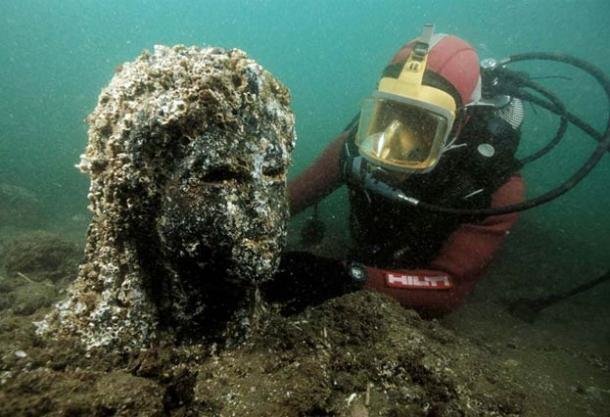
For centuries, the city of Heracleion, also known as Thonis-Heracleion, was nothing more than a legend, a tale of a prosperous port city mentioned in ancient texts but lost to the sands of time.
It was believed to be a myth until its remarkable rediscovery in the late 20th century.
Situated at the edge of the Nile Delta, Heracleion was once a bustling trade and religious center of the ancient world. Its rediscovery has offered invaluable insights into the ancient Egyptian and Greek civilizations.
Historical Significance
Heracleion, named after the legendary hero Hercules (Heracles in Greek), was believed to have been established during the 12th century BC. Its Greek name was Heracleion, while the Egyptians called it Thonis.
The city flourished from around the 6th to the 4th century BC and was known for its grand temples, including a temple dedicated to Amun.
It was an important port city for trade between the Mediterranean and the Nile River, playing a pivotal role in the economy of ancient Egypt.
The City’s Structure and Splendor
Located near the Canopic Mouth of the Nile, Heracleion sprawled over an area of about 11 by 15 kilometers.
The city was a marvel of engineering and architecture, featuring grand temples, statues, and a network of canals.
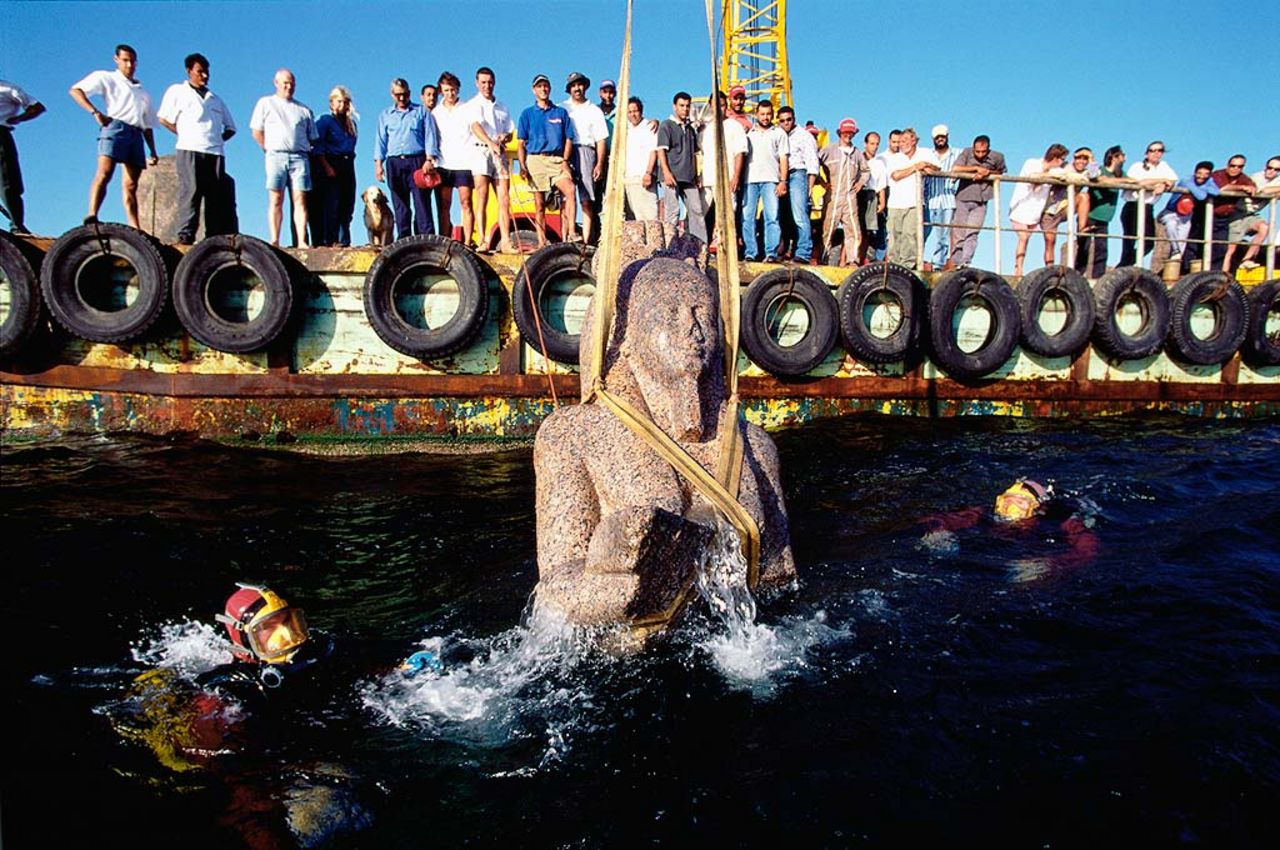
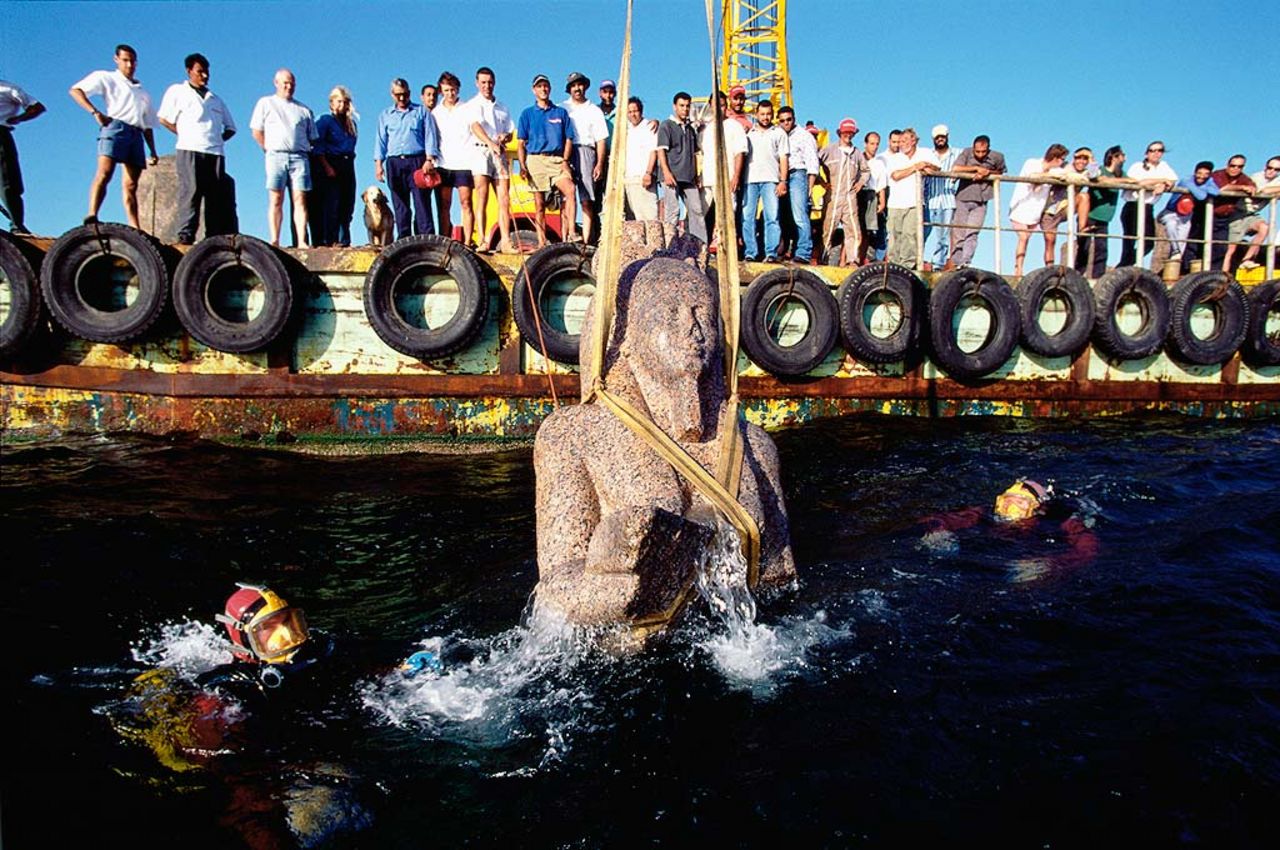
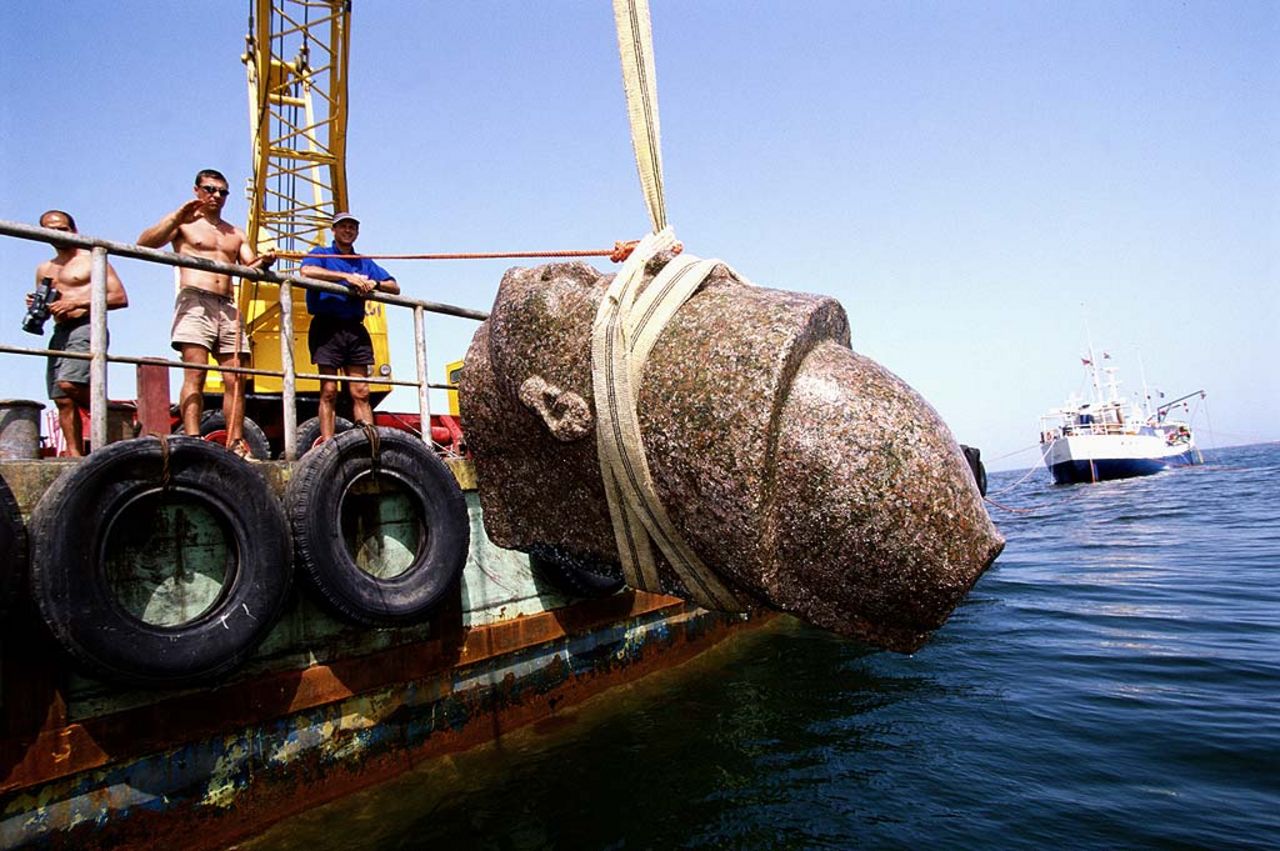
One of the most remarkable discoveries was a colossal statue of the god Hapi, measuring over 5 meters and weighing over 6 tons, symbolizing fertility and the inundation of the Nile.
The Sinking of Heracleion
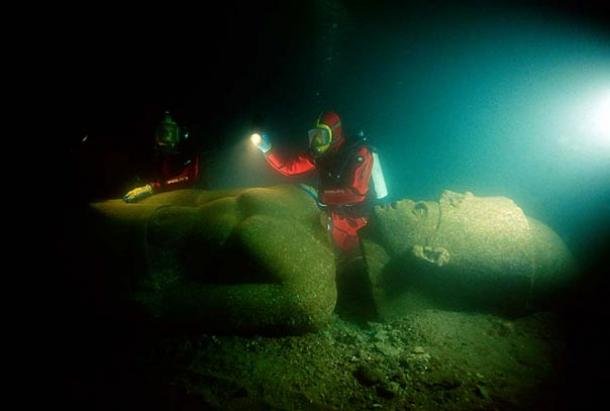
The exact date of Heracleion's sinking remains a subject of debate among historians, but it's believed to have occurred around the 8th century AD.
The city's downfall was likely due to a combination of factors including rising sea levels, earthquakes, and the gradual subsidence of the land, which weakened the foundations.
Over time, this led to the city being submerged under approximately 10 meters (about 30 feet) of water in the Mediterranean Sea.
Discovery of the Lost City
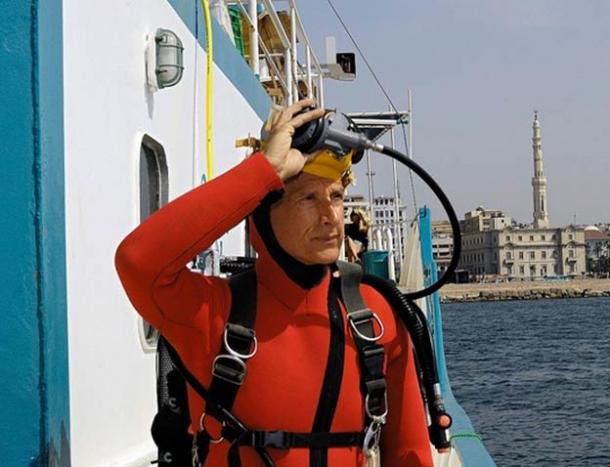
The lost city was rediscovered in 2000 by the French underwater archaeologist Franck Goddio and a team from the European Institute for Underwater Archaeology (IEASM).
Utilizing sophisticated sonar mapping technology, they uncovered the ruins of Heracleion off the coast of Aboukir Bay, near Alexandria.
Why Heracleion is Important
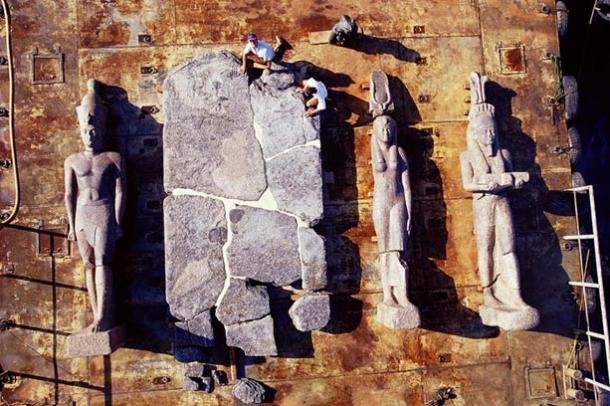
The discovery of Heracleion is a milestone in archaeology and history. It has provided invaluable insights into ancient Egyptian and Greek civilizations, especially regarding their religious practices, architecture, and daily life.
Artifacts recovered from the site, such as coins, gold jewelry, and ceramics, have offered clues about the city's trade and economic status.
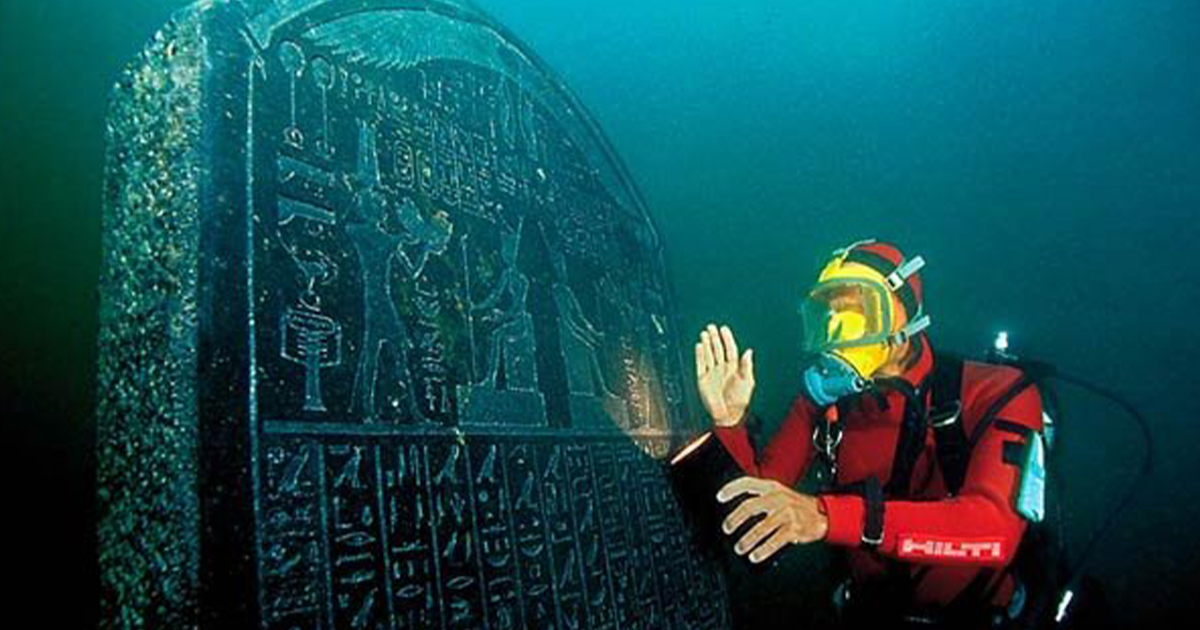
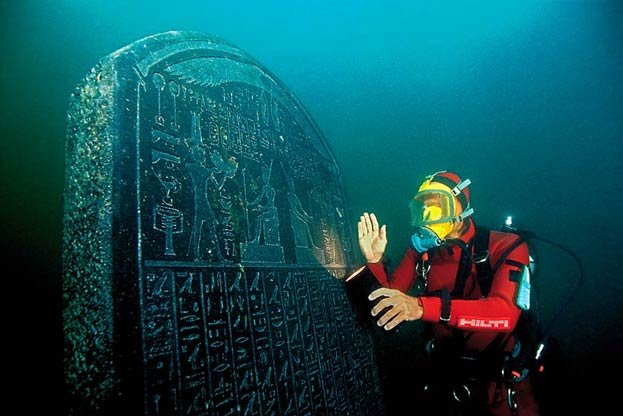
Additionally, steles found in Heracleion have provided historians with important information regarding the tax system of ancient Egypt.
The Archaeological Efforts and Findings
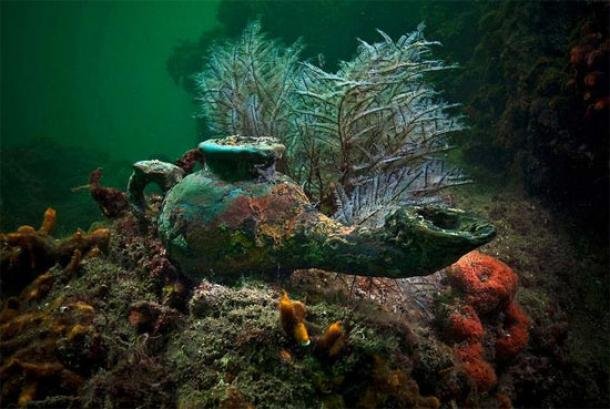
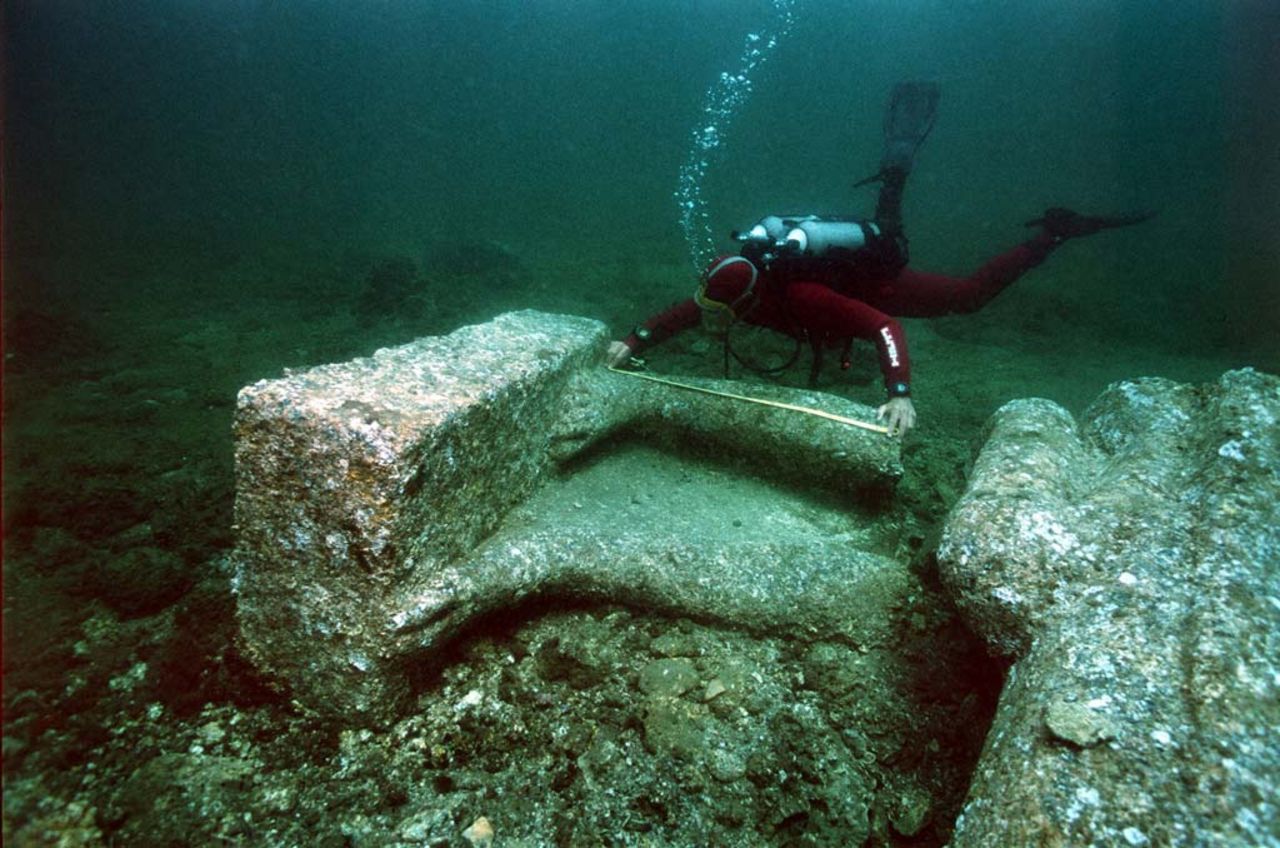
Archaeological excavations at Heracleion have unearthed numerous artifacts of significant historical value. These include over sixty ancient shipwrecks, gold coins, weights from Athens (which have never been found at an Egyptian site before), and the remains of more than 700 anchors.
The discovery of these artifacts has painted a vivid picture of a city that was once a critical gateway to the ancient Egyptian civilization.
Preserving the Legacy
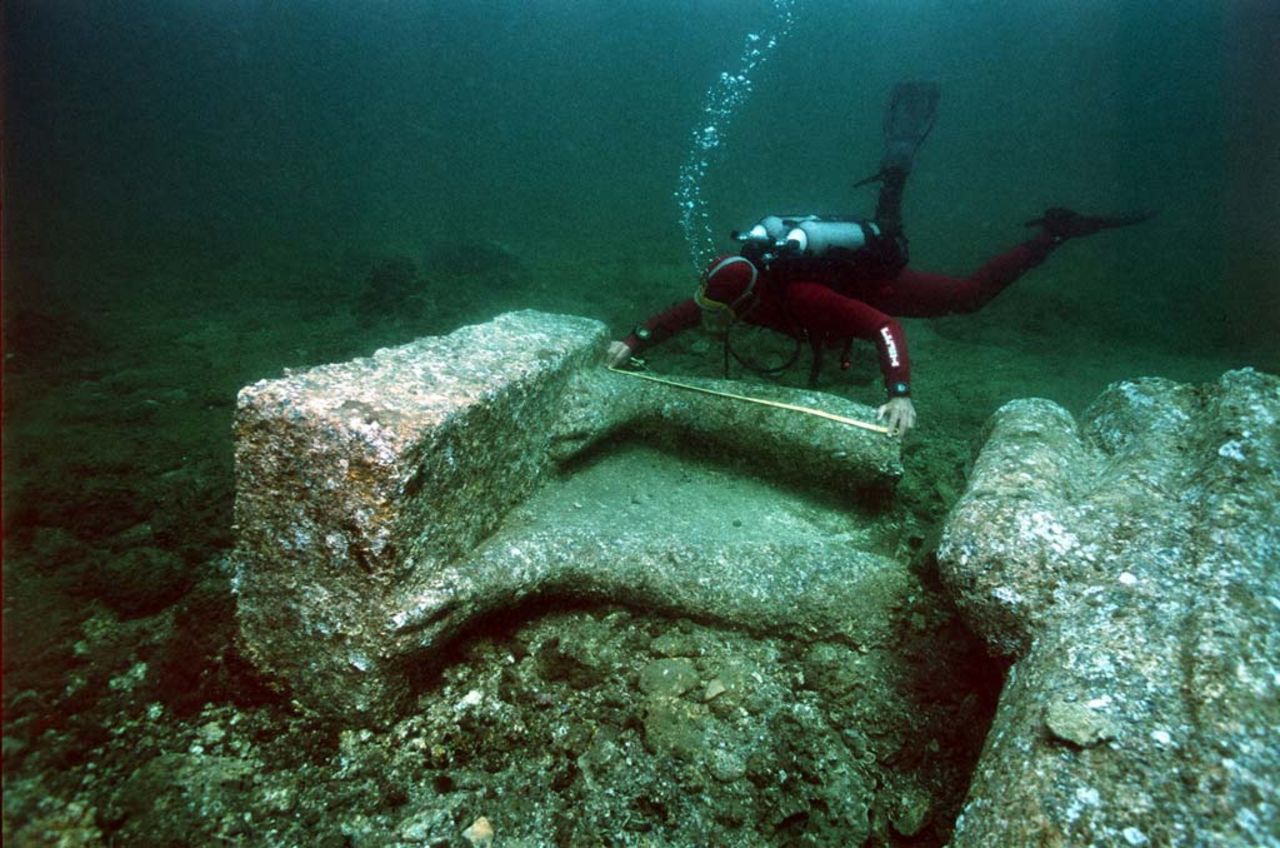
Efforts to preserve and study Heracleion continue, as the site is vulnerable to environmental factors and human activities.
Ongoing research and conservation work aim to protect this underwater treasure while unraveling more of its secrets.
Final Thoughts
The Lost City of Heracleion stands as a testament to the ingenuity and splendor of ancient civilizations. Its discovery has bridged the gap between myth and reality, shedding light on a part of history that was once believed to be lost forever.
For science and history enthusiasts, Heracleion is a mesmerizing underwater world that continues to reveal the mysteries of the past.