Exotic Swimming Spots That Pose Significant Danger
While the allure of swimming in unique and exotic locations can be strong, it's crucial to be aware of the potential dangers lurking beneath the surface.
From boiling hot temperature to dangerous wildlife, some popular swimming spots around the world pose significant risks.
This article explores 10 such dangerous swimming areas, shedding light on why they are best admired from a distance.
Jacob's Well in Texas
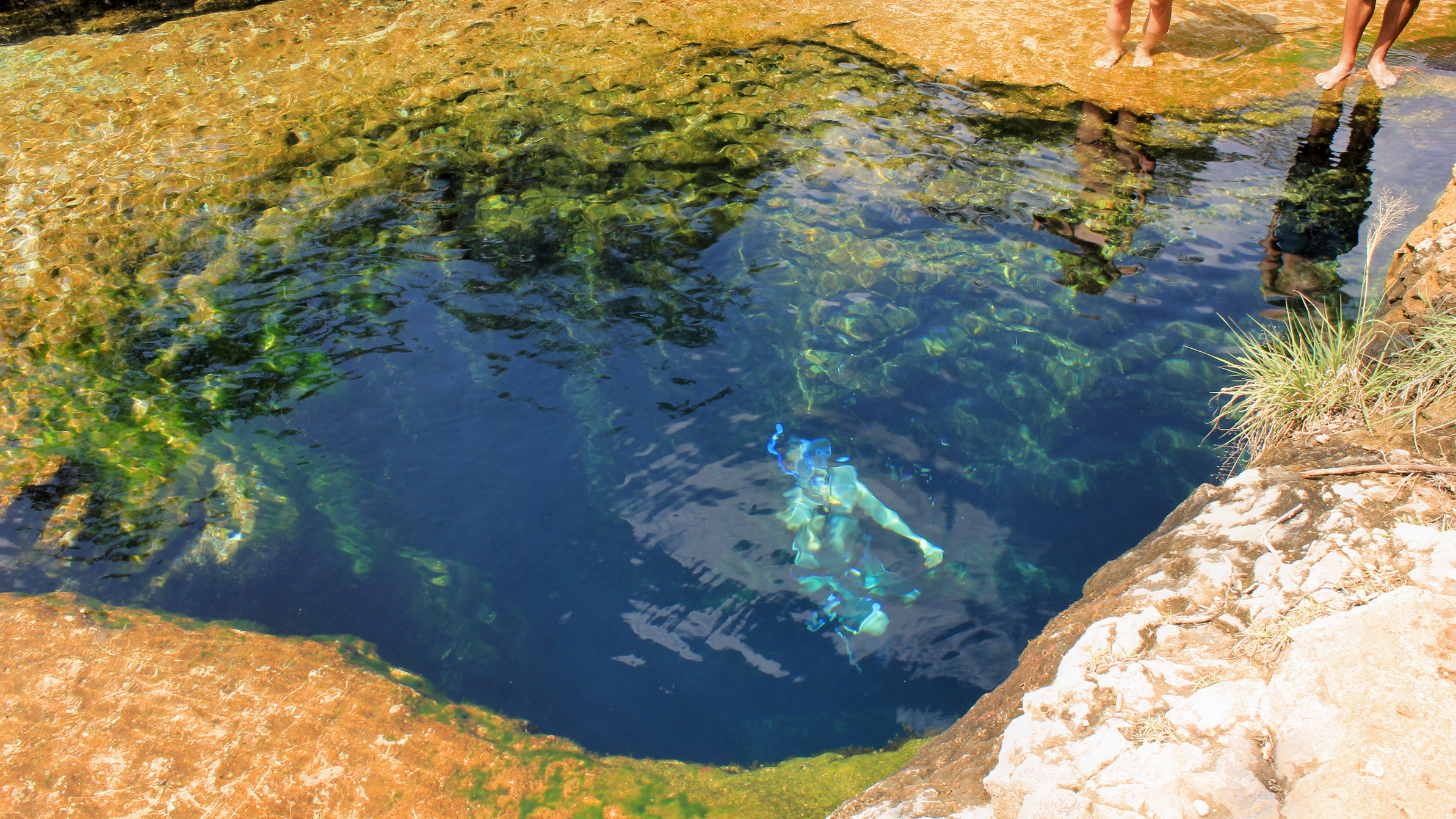 Larry D. Moore, Wikimedia Commons
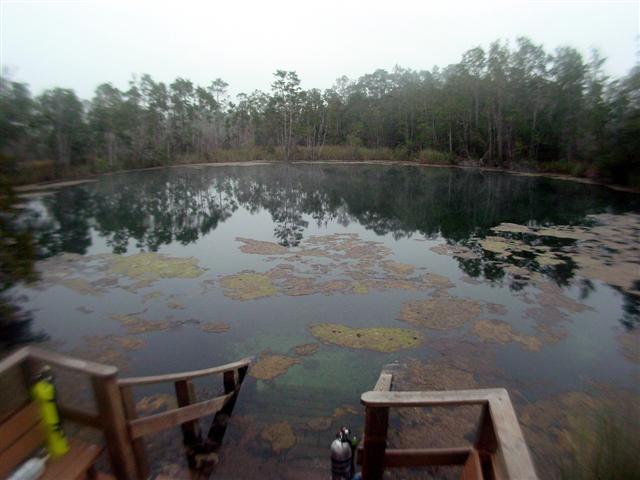
Located in Wimberley, Texas, Jacob's Well is a stunning natural spring known for its crystal-clear water and a seemingly bottomless underwater cave system.
However, its beauty hides a dangerous reality. The cave has narrow, pitch-black passages that have led to several diving fatalities. The strong undercurrents and complex cave structure make it a perilous spot, even for experienced divers.
The Boiling Lake in Dominica
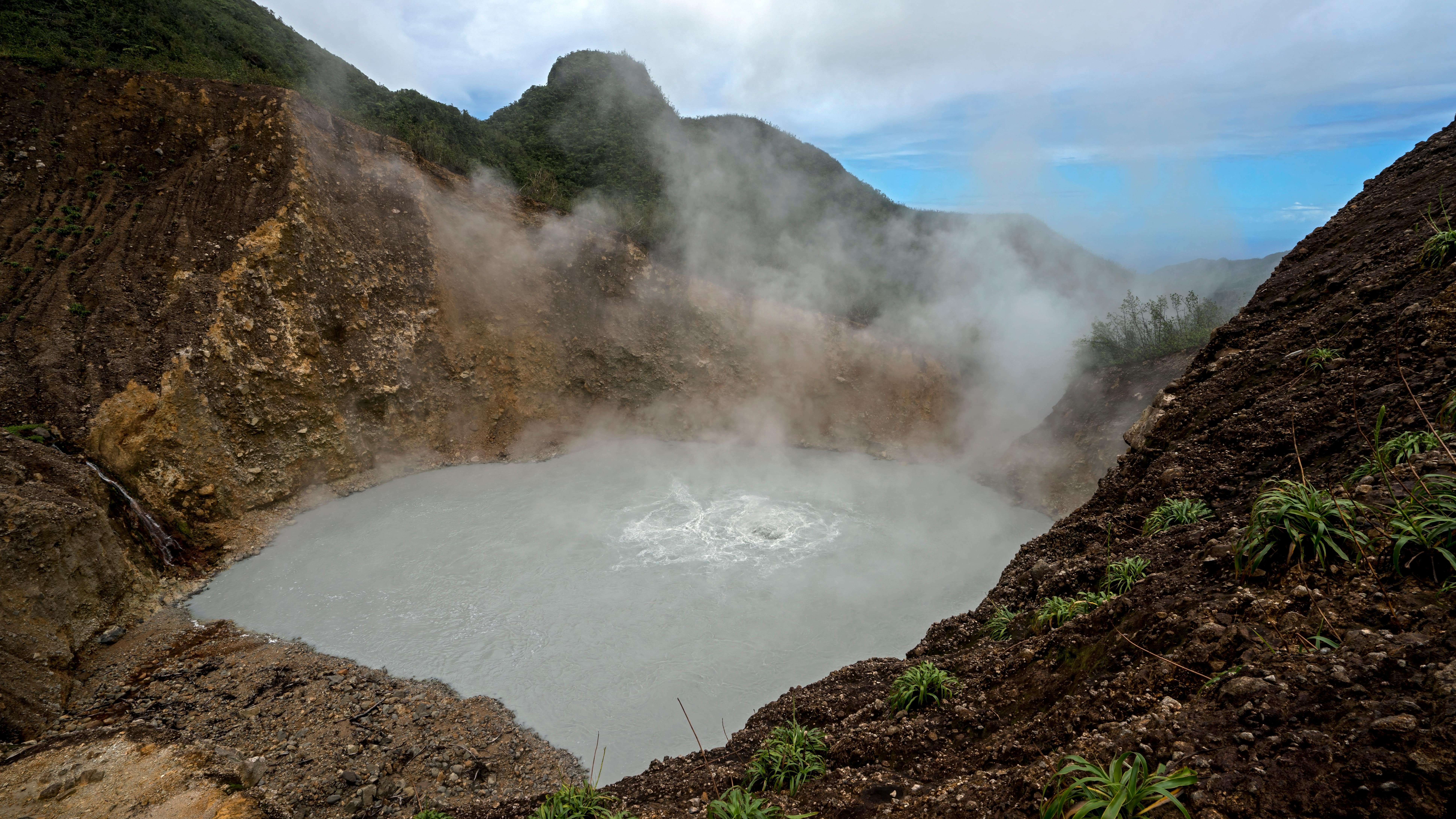
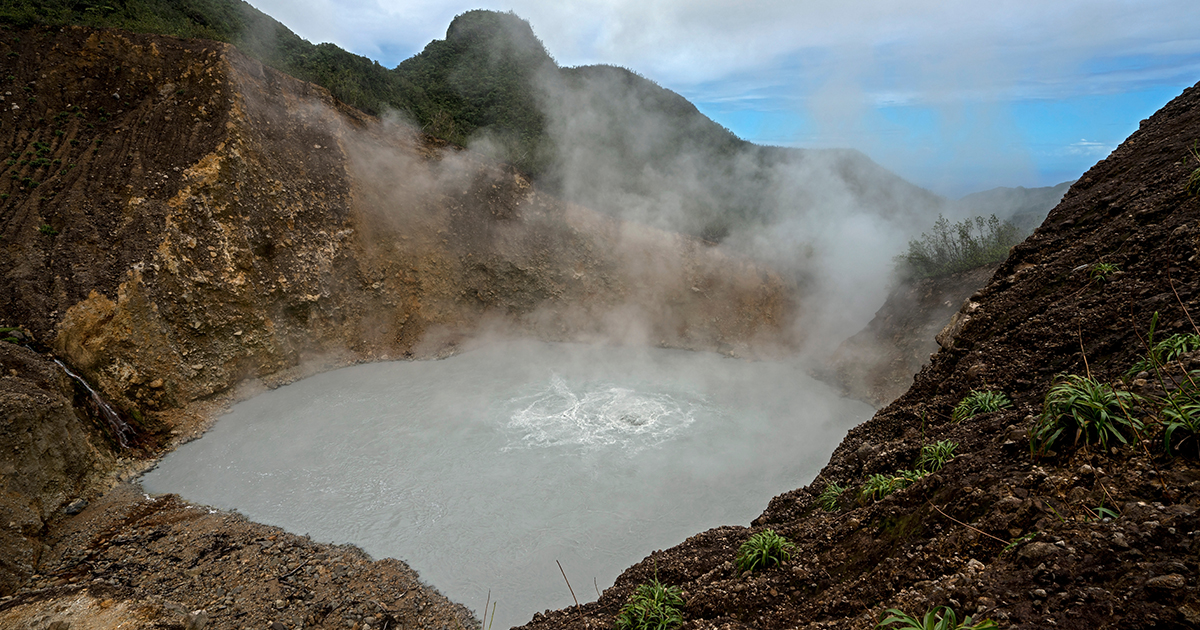
The Boiling Lake in Dominica, true to its name, presents a unique and extreme natural phenomenon.
Situated in this Caribbean island nation, the lake is a flooded fumarole, a crack in the earth that releases gases and steam. It is heated by magma just below the surface. This geothermal activity causes the water temperatures to reach boiling point.
Swimming in this lake would be far beyond a simple warm bath; the water is so hot that it can be lethal, making it a fascinating yet dangerous natural wonder.
The surrounding terrain is also treacherous, with sudden gas releases and unstable ground.
The Nile River
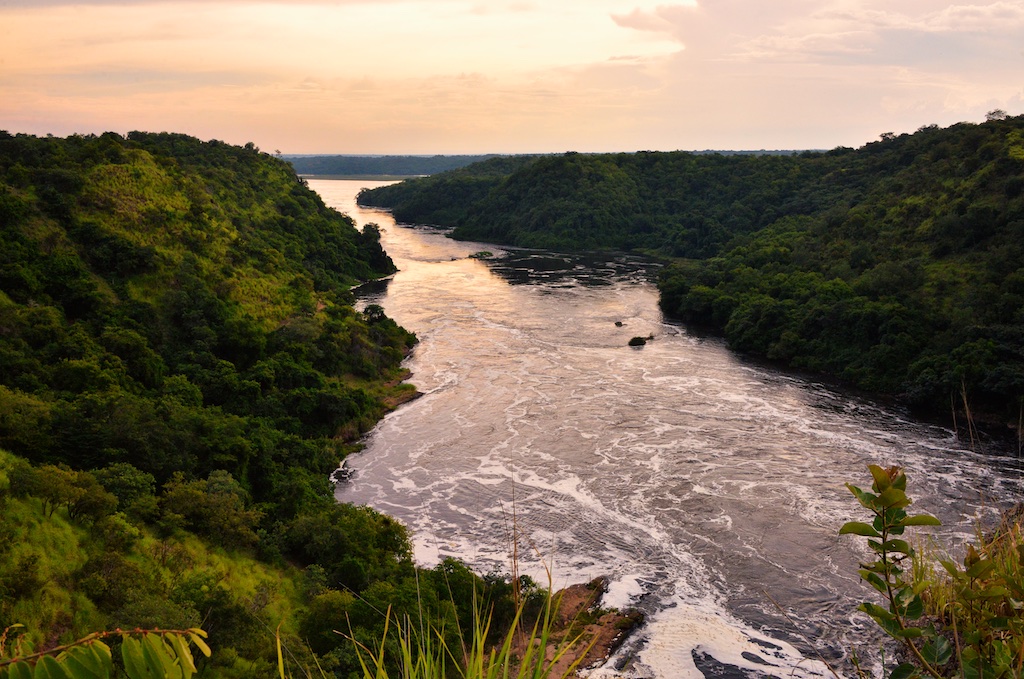 Rod Waddington, Wikimedia Commons
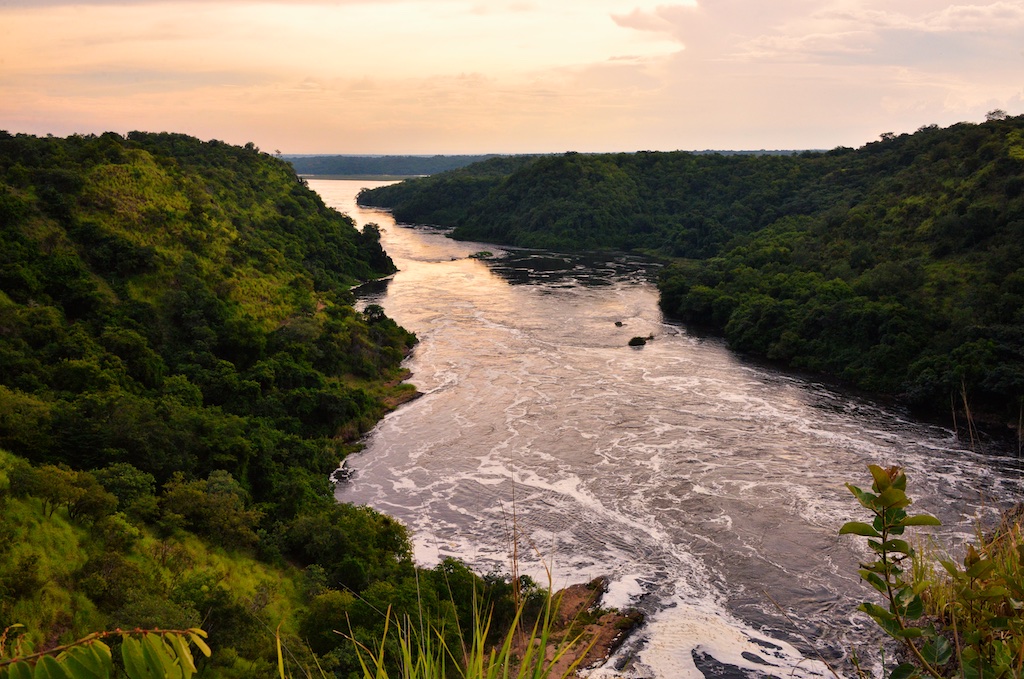
The mighty Nile River, while historically significant, is home to a variety of dangerous wildlife, including crocodiles. These top predators are known for their aggressive behavior and strength.
The Nile River sees approximately 100 crocodile encounters every year, most of which result in loss of life.
Additionally, the river's strong currents and rapid changes in depth make it unsafe for casual swimming.
Bubbly Creek in Chicago

Bubbly Creek, a branch of the Chicago River, is infamous for its pollution.
It has reached such toxic levels that it can no longer support aquatic life. Nothing can survive in its waters. Its infamous name derives from the bubbles that surface, a visible indicator of the harmful substances present in the water.
Decades of industrial waste have contaminated its waters, making it a health hazard for any would-be swimmers.
The water contains harmful bacteria and chemicals, posing a risk of immediate serious illness.
Eagle's Nest Sinkhole in Florida
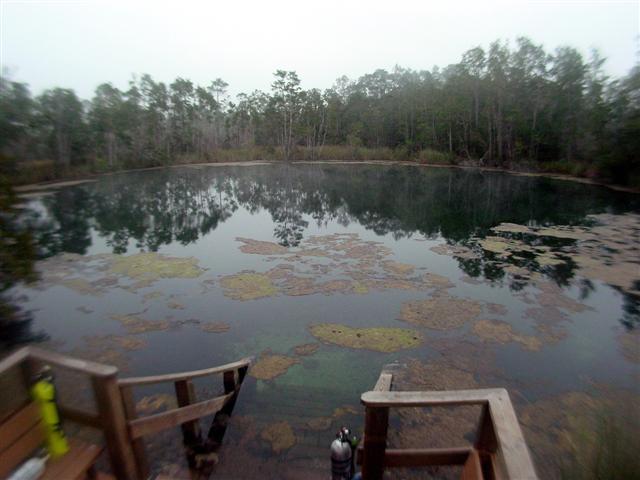
Eagle's Nest Sinkhole, located in Weeki Wachee, Florida, is a deep underwater cave system known as the "Mount Everest of cave diving."
It has been the site of numerous fatalities due to its depth, complex passageways, and the risk of nitrogen narcosis. Only highly experienced cave divers should attempt to explore its depths.
The Amazon Basin

The Amazon Basin, spanning several South American countries, is a biodiversity hotspot.
However, its waters are home to piranhas, anacondas, and electric eels, alongside strong currents and murky waters. These predators pose a significant risk of loss of life.
These factors make swimming in the Amazon Basin seriously dangerous.
Horseshoe Lake in California
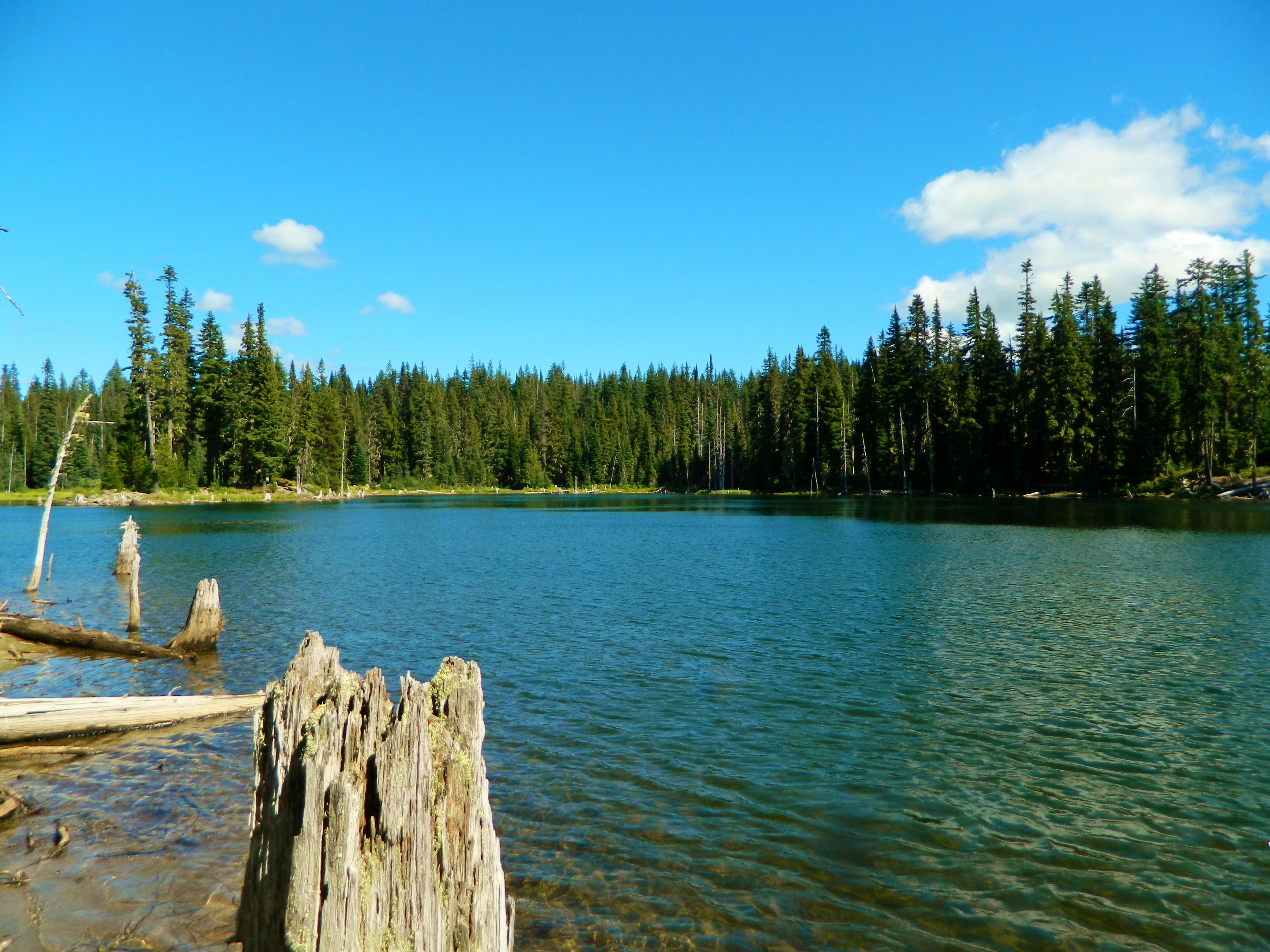 AdorableFluttershy, Wikimedia Commons
Horseshoe Lake, located in California's Mammoth Lakes area, poses a silent but lethal threat.
The lake has high levels of carbon dioxide due to volcanic activity, which can be lethal to swimmers and even those near the lake's edge.
The invisible gas can cause asphyxiation without warning.
Lake Victoria, Uganda

Lake Victoria, bordered by Uganda, Kenya, and Tanzania, is known for its sudden, violent storms that can create large waves and strong currents, making it treacherous for swimmers and boaters alike.
It’s got this wild thing going on where some parts of it have their own weather, totally different from elsewhere on the lake. So, you could be chilling in the sun one minute, and the next, you're caught in crazy strong winds.
Plus, it's got a bit of a scary record – around 5,000 people a year don't make it out, which is the highest for any lake in Africa.
The lake also has a high incidence of Bilharzia, a parasitic disease, and cases of crocodile attacks.
Hoover Dam, Arizona
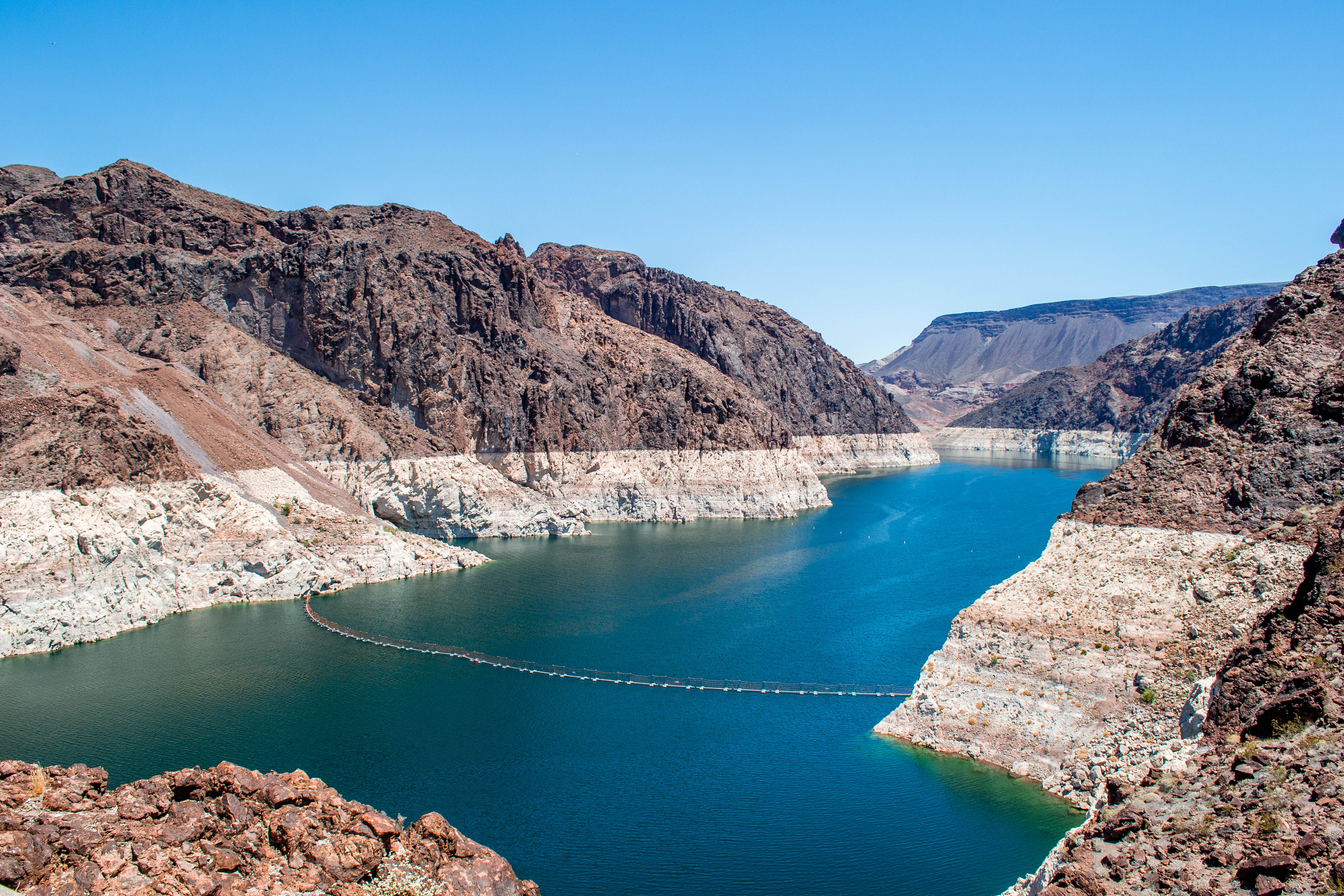
Swimming near the Hoover Dam, on the border between Arizona and Nevada, is not permitted due to the powerful water currents generated by the dam's turbines.
These currents can drag even the strongest swimmers underwater, posing a significant risk of loss of life.
Gansbaai Beach in South Africa
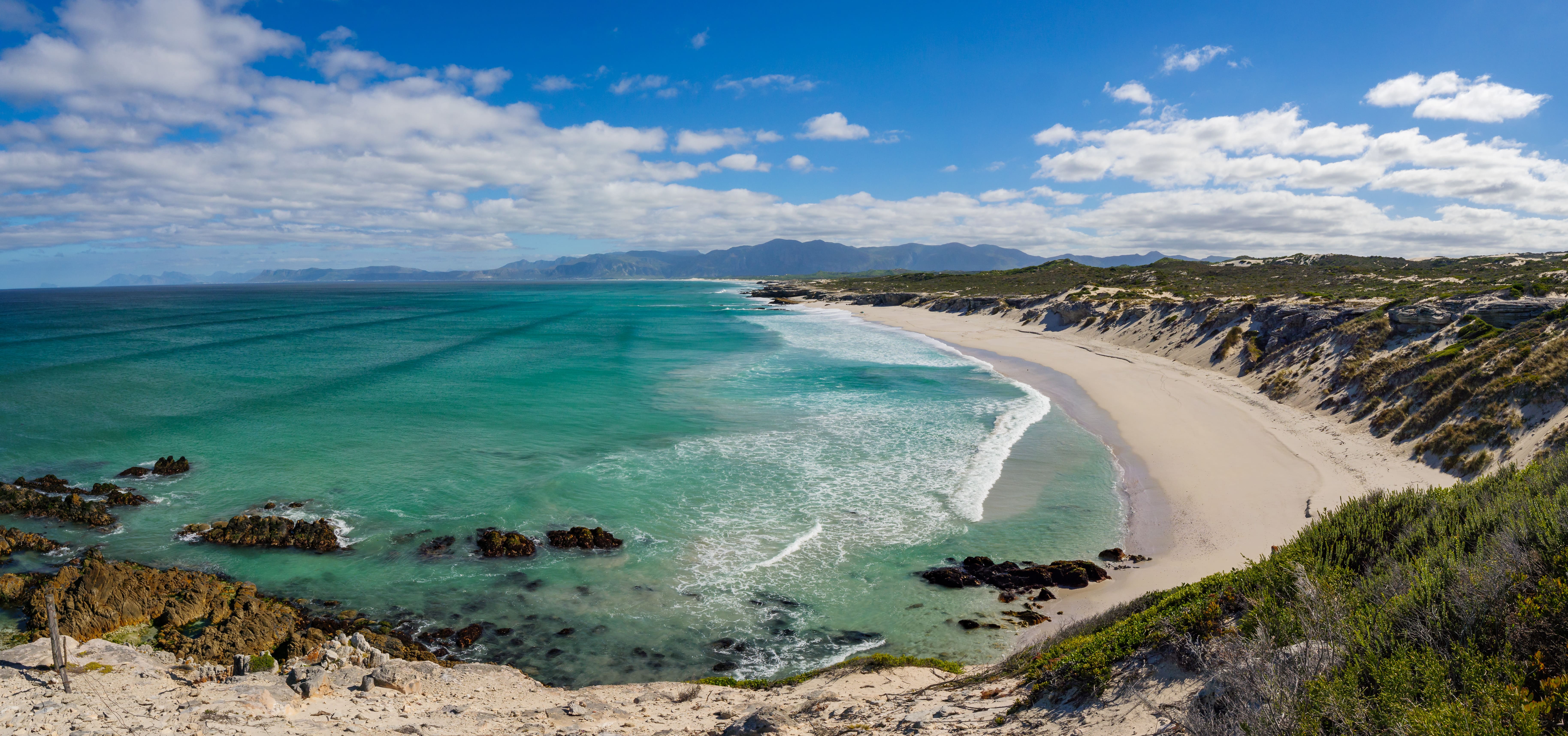 Roger de la Harpe, Adobe Stock
Gansbaai Beach, near Cape Town, South Africa, is often referred to as "Shark Alley" due to the high population of Great White Sharks.
While cage diving is popular here, swimming outside of protected areas can be incredibly dangerous due to the high risk of shark attacks.
Final Thoughts
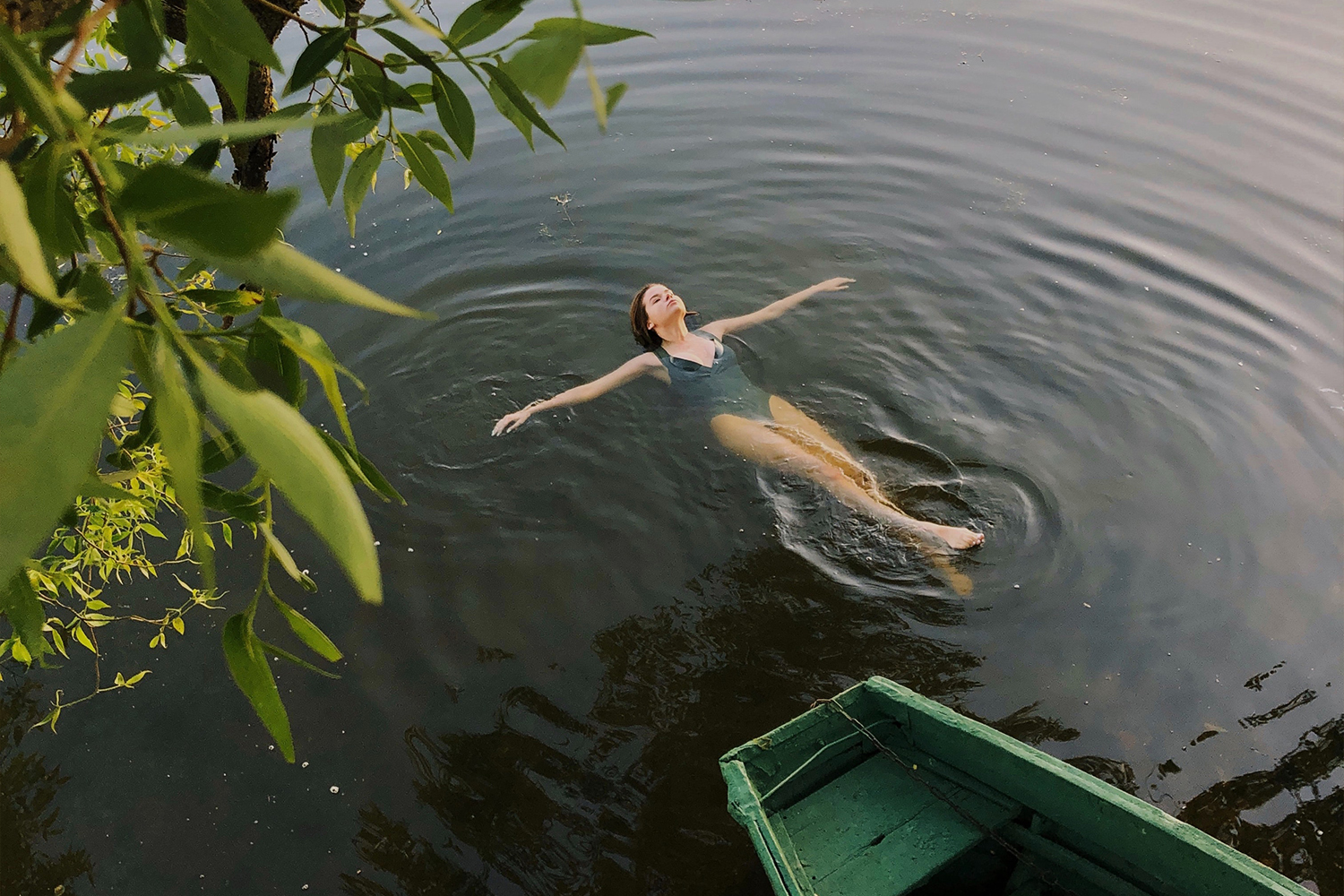
While the thrill of swimming in these exotic locations can be tempting, the risks they pose are real and often underestimated.
Understanding these dangers is crucial for anyone seeking adventure in nature's waters. It's always better to err on the side of caution and respect the power and unpredictability of these natural environments.