

The Deadliest Shoreline on the Planet
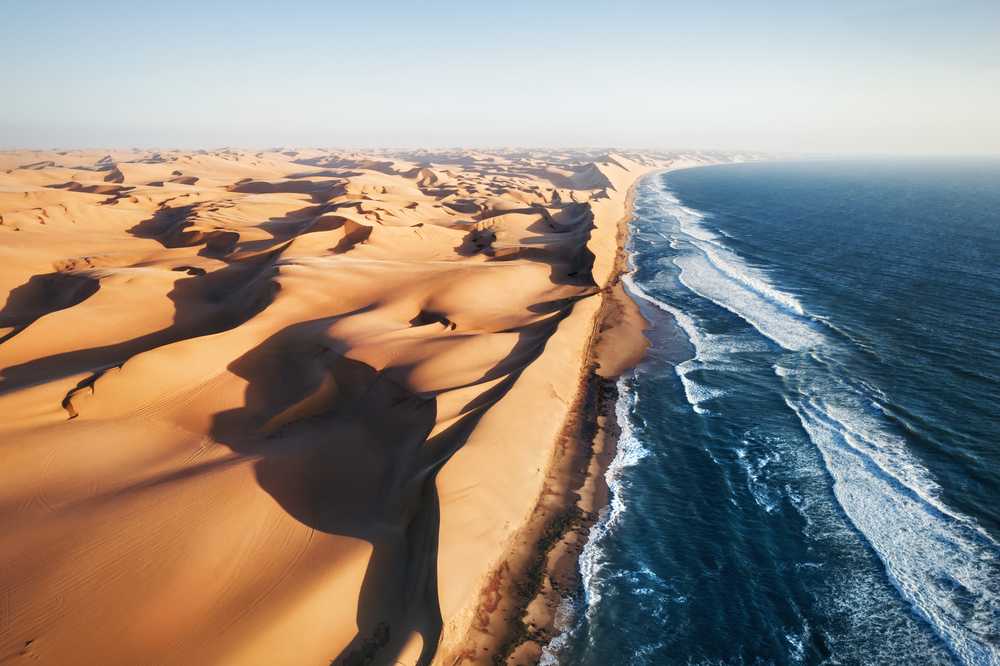
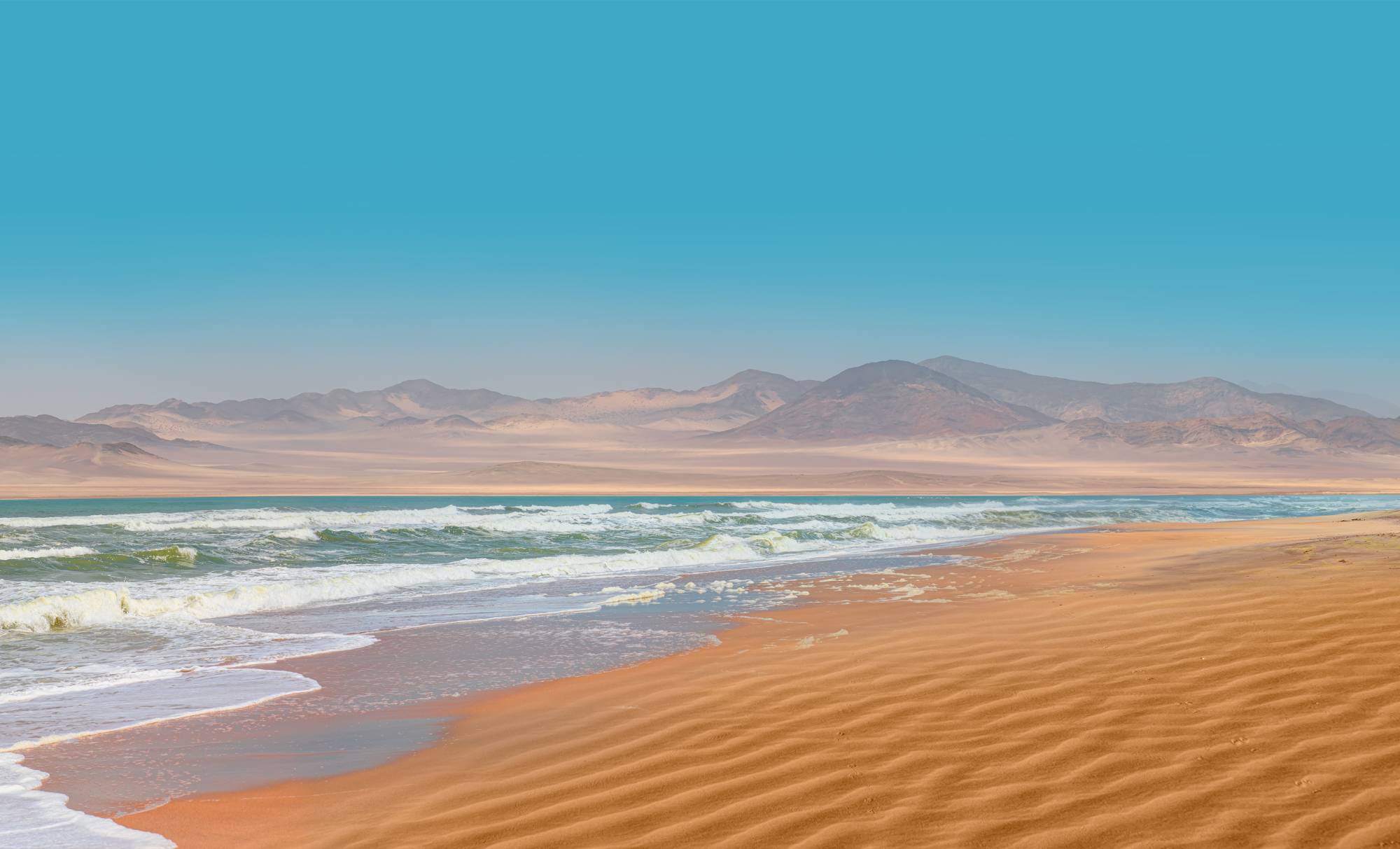
Where the Atlantic Ocean meets the desert in Namibia, lies one of the most dangerous places on Earth: The Skeleton Coast.
The Skeleton Coast
From shark infested waters and extreme ocean currents to intense climate conditions and terrifying land predators, there’s good reason why the coastline is named what it is.
The Land God Made in Anger
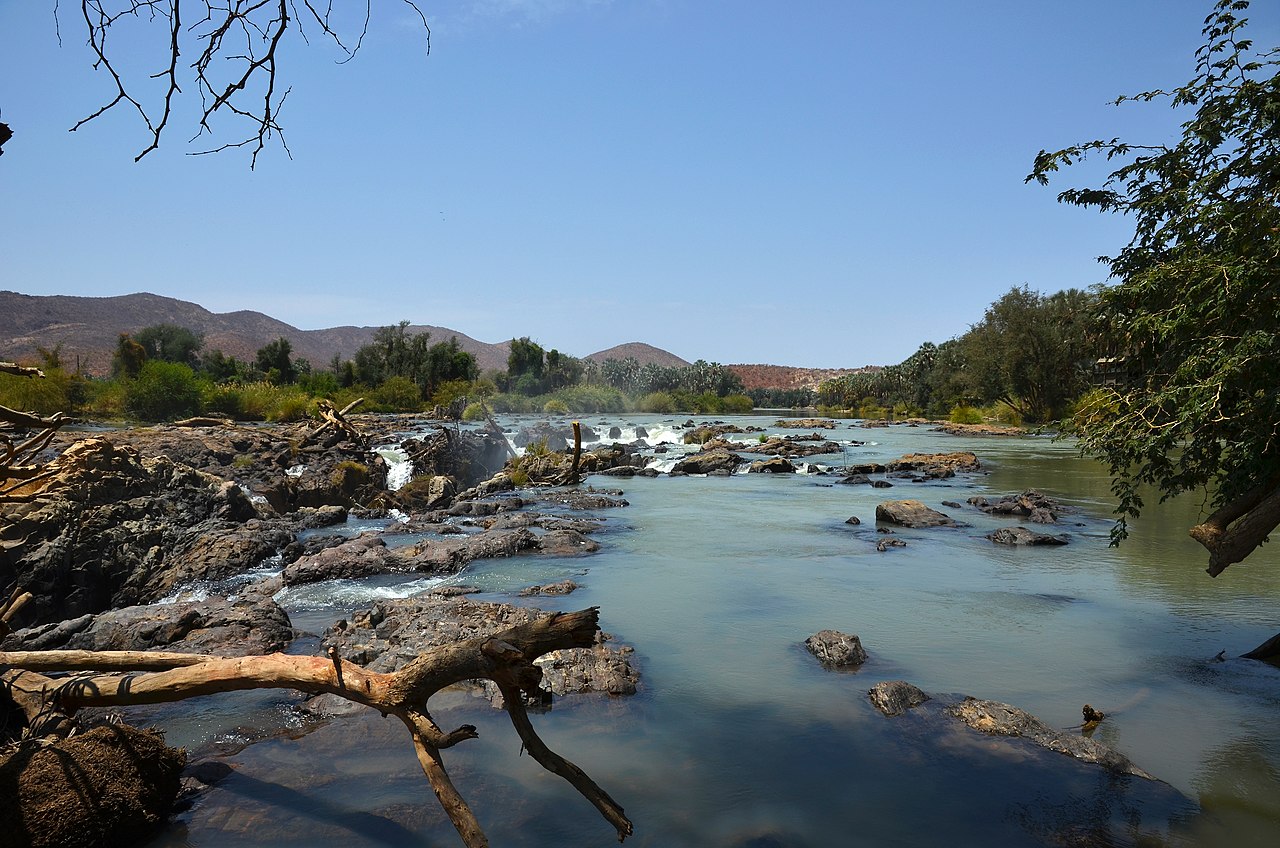
The Skeleton Coast is a 976-mile-long coast that stretches between the Kunene River and the Swakop River in Namibia. It is known by the locals as “The Land God Made in Anger.”
 Pavel Špindler, CC BY 3.0, Wikimedia Commons
The Gates of Hell
Portuguese explorers dubbed the coastline as, “The Gates of Hell”, when it was first discovered in the 15th century.
Today, it is known as the Skeleton Coast—and for good reason.
Skeletons
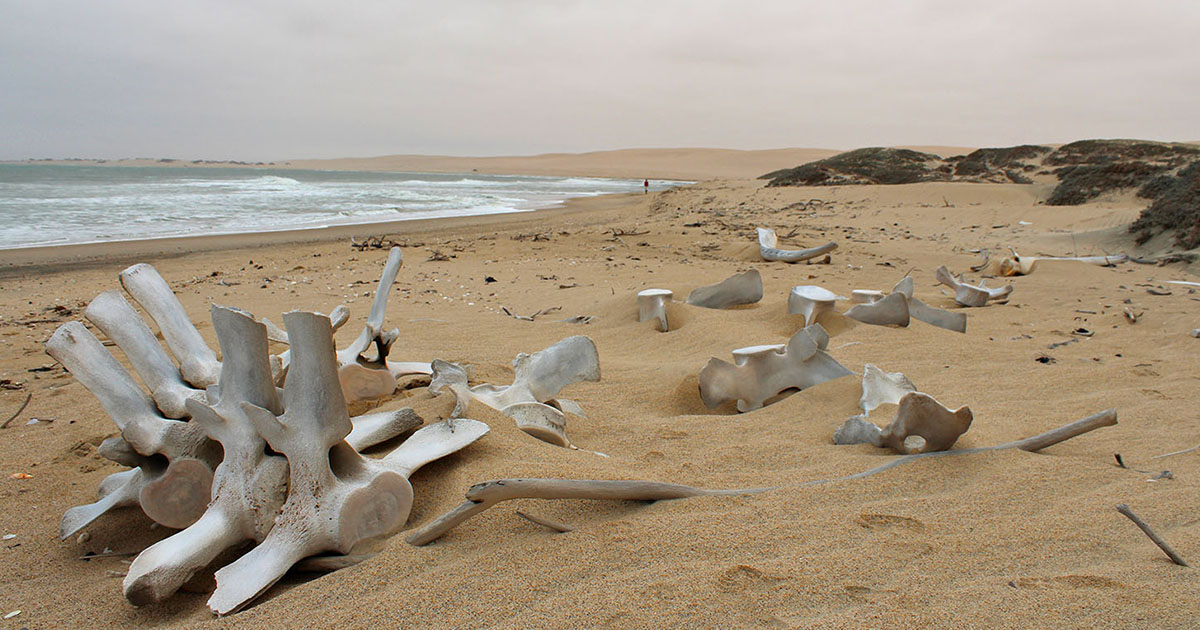
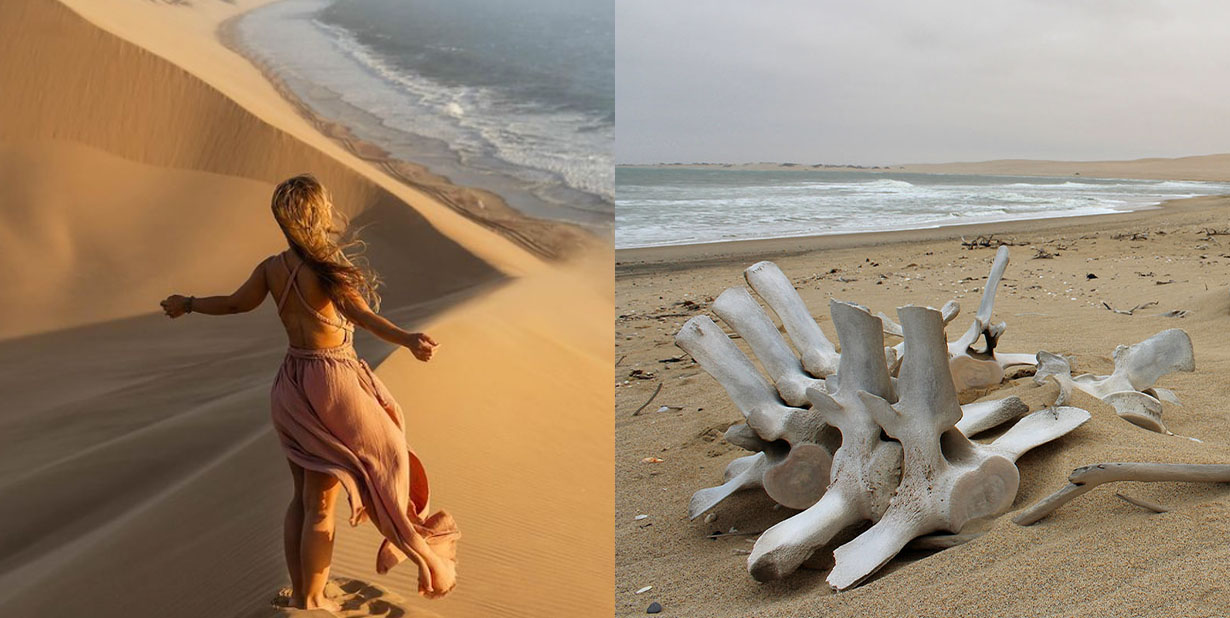
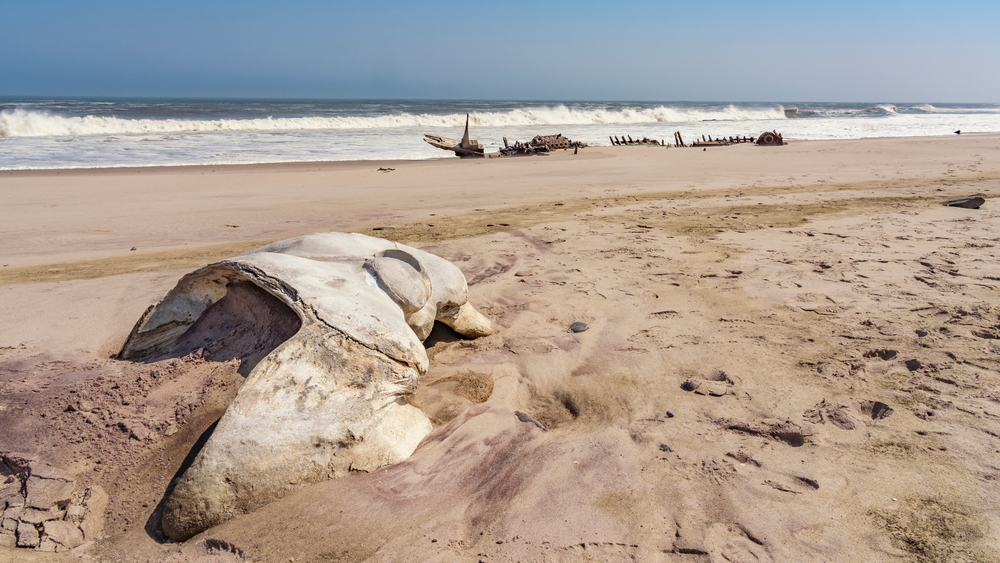
The name “Skeleton Coast” comes from the thousands of skeletal remains of whales, seals, turtles, and elephants scattered along the coastline that have been piling up for centuries.
A Dangerous Place
The Skeleton Coast is where rough seas and rough deserts meet—creating a treacherous climate all around. In fact, it has been named one of the deadliest places in the world.
The Benguela Current
The Benguela Current, a broad northward flowing ocean current, is extremely strong, and it flows right next to the Skeleton Coast. This current is so powerful it would instantly sweep any swimmer 100-miles away from shore.
 Lukas Bischoff Photograph, Shutterstock
Thick Fog
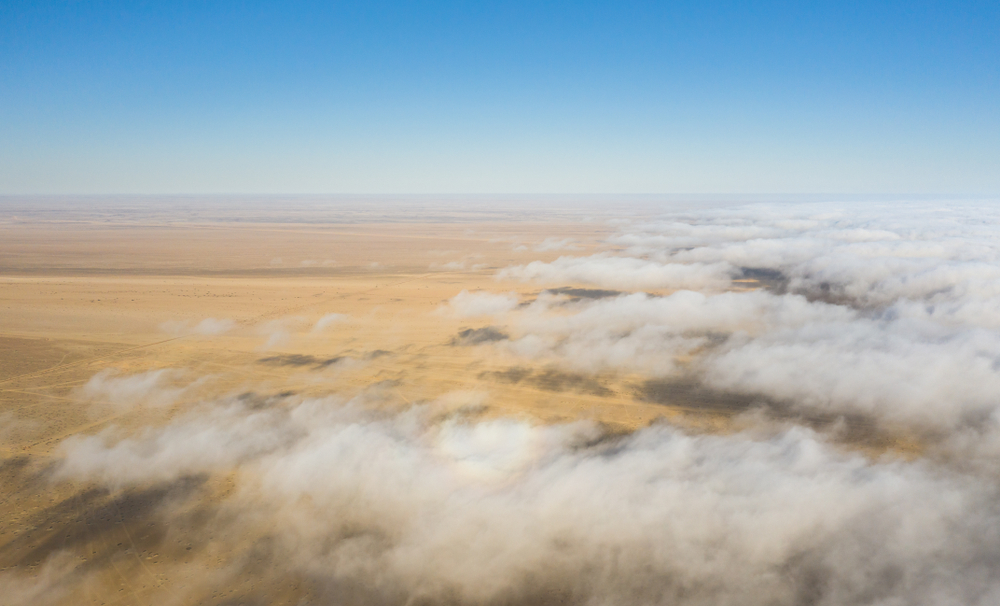
Along with the powerful current, this stretch of the ocean is often covered in a thick fog, making visibility almost impossible. In fact, many vessels are warned to steer clear of the surrounding area completely.
Shark Infested Waters
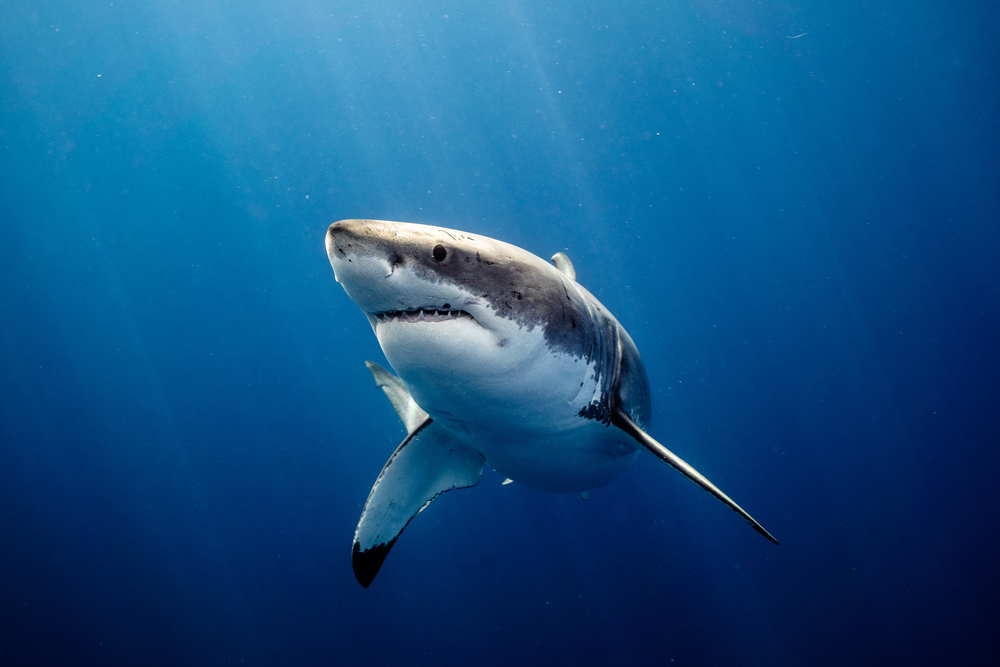
To make matters worse, the terrifying waters are also filled with 11 species of sharks that patrol the coastline, looking for prey that gets stuck in the current.
Shipwrecks
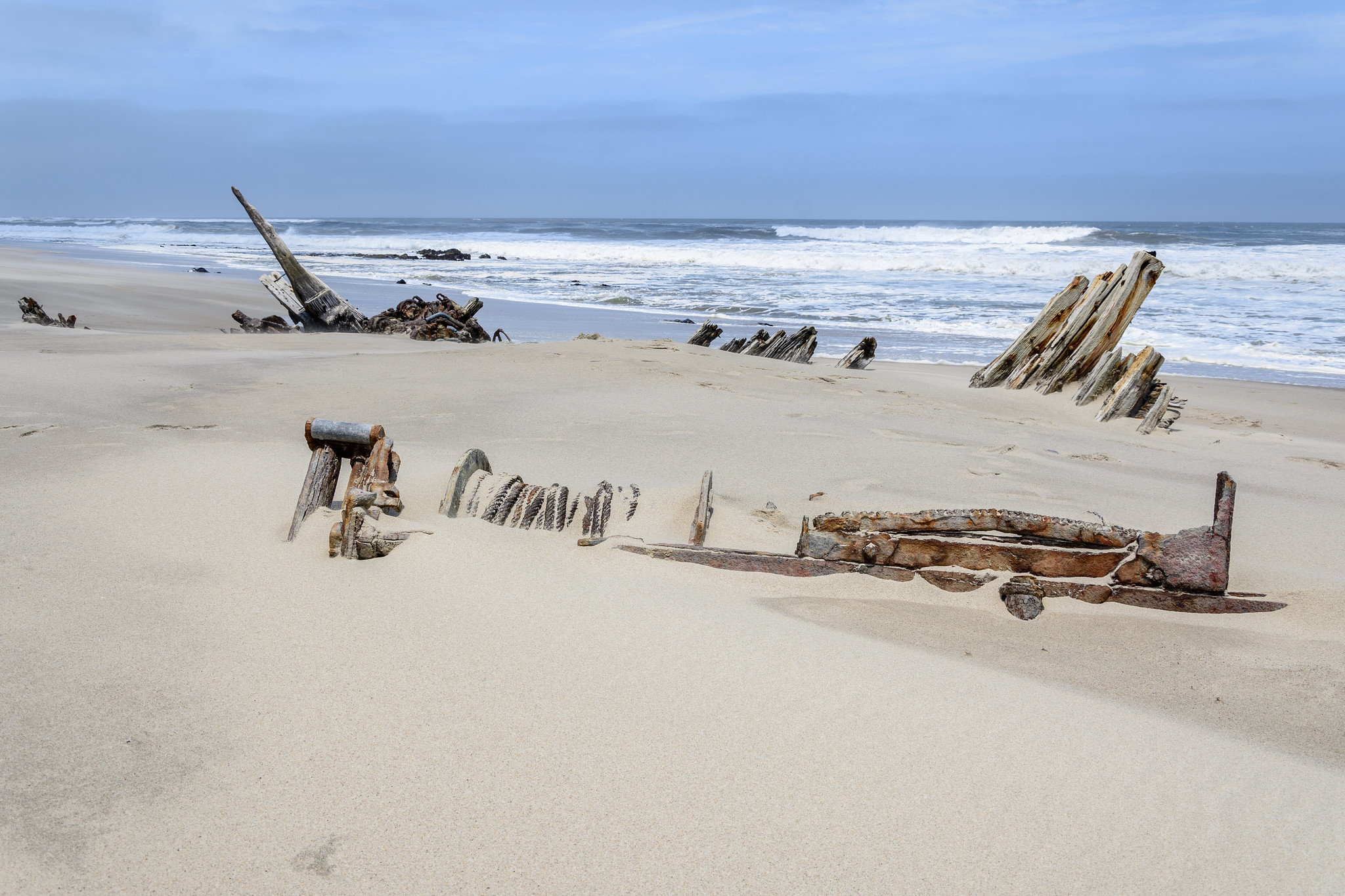
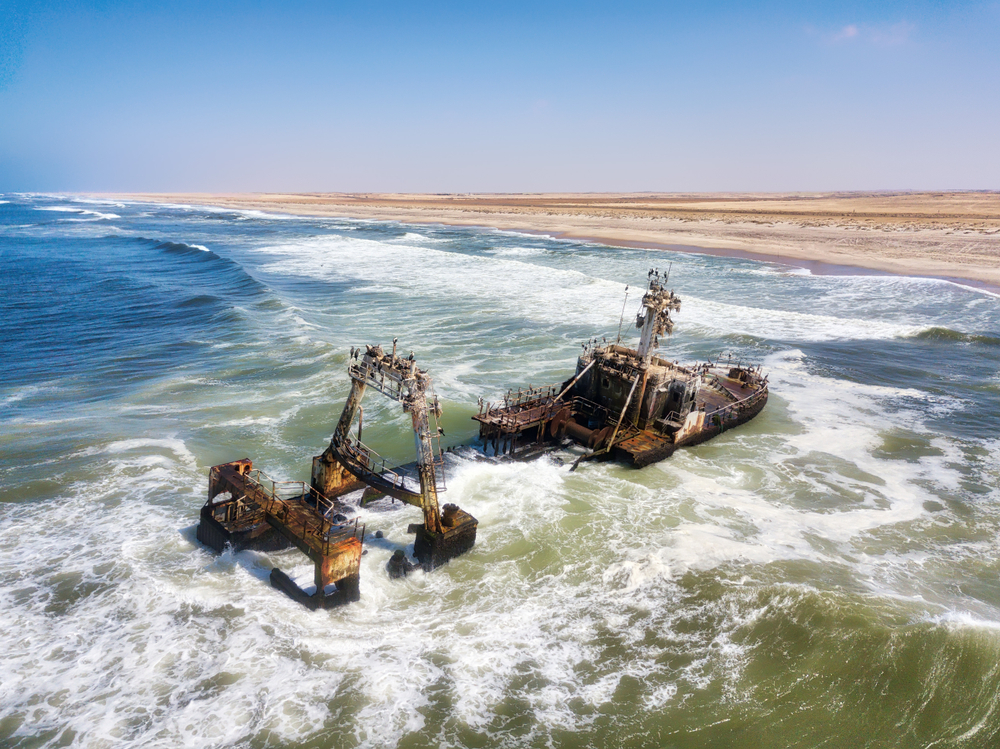
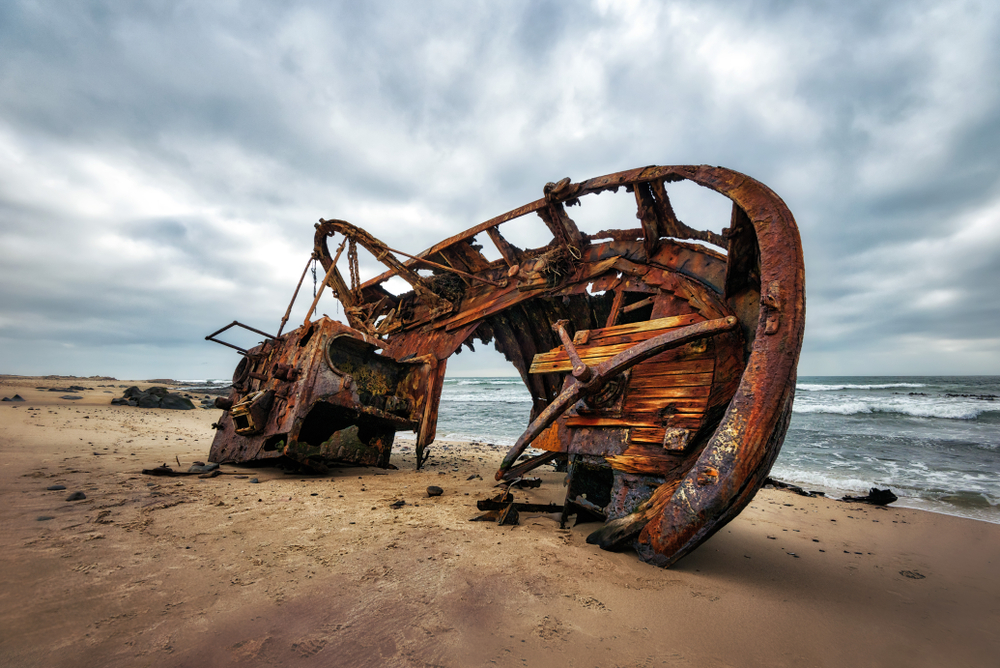
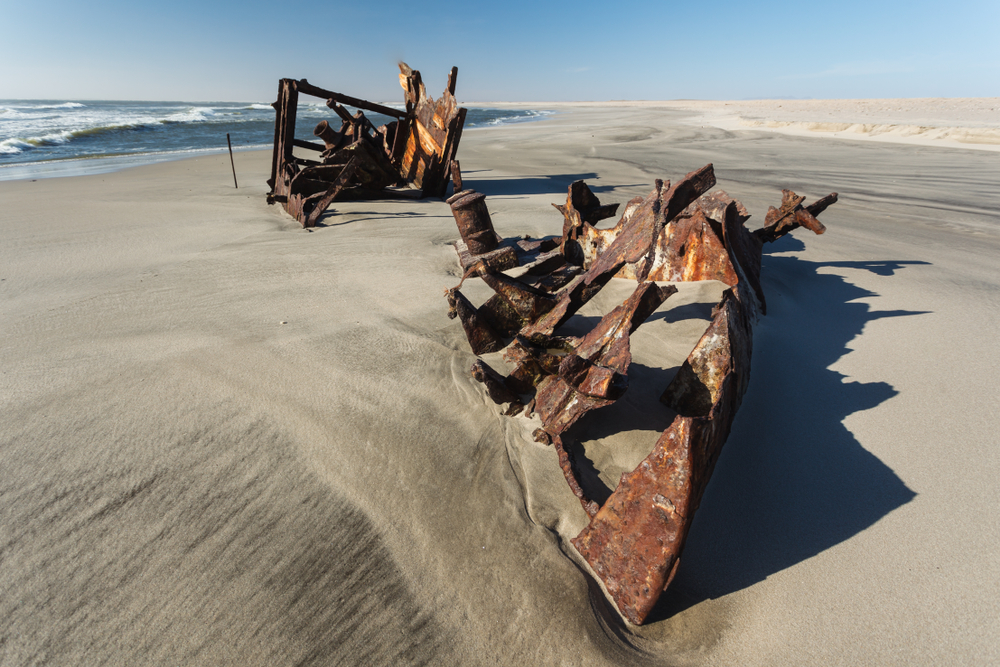
The unpredictable current, plus the impossible fog is responsible for thousands of shipwrecks that also scatter along Skeleton Coast—adding to its name.
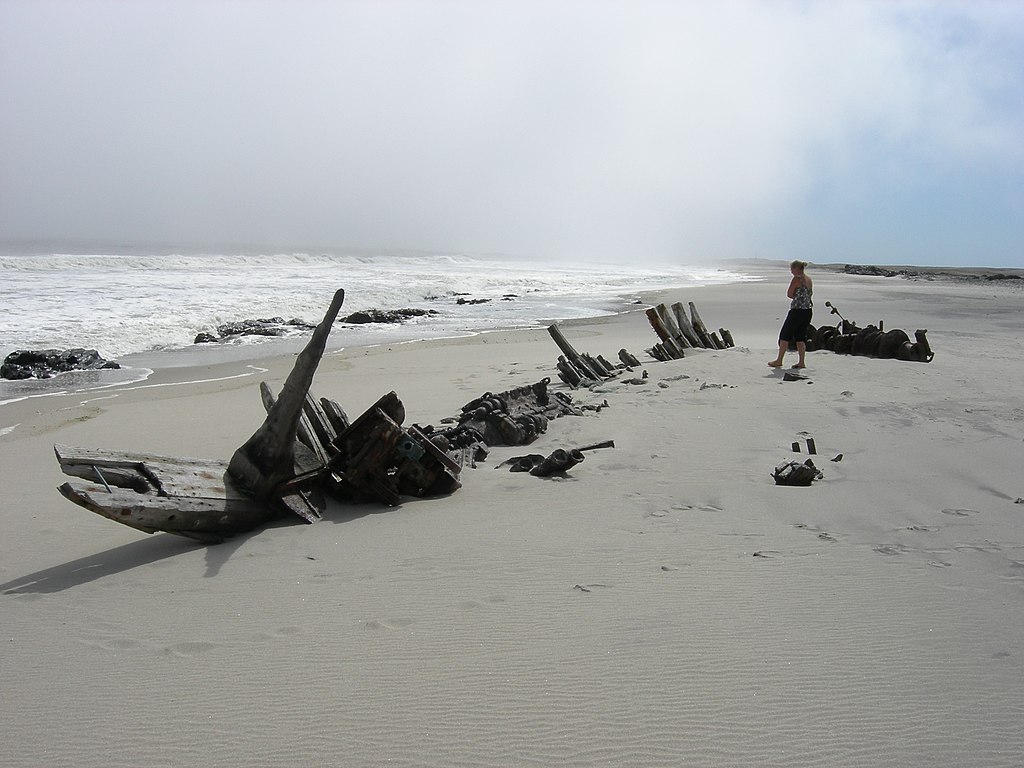 Joachim Huber, CC BY-SA 2.0, Wikimedia Commons
Years of Shipwrecks
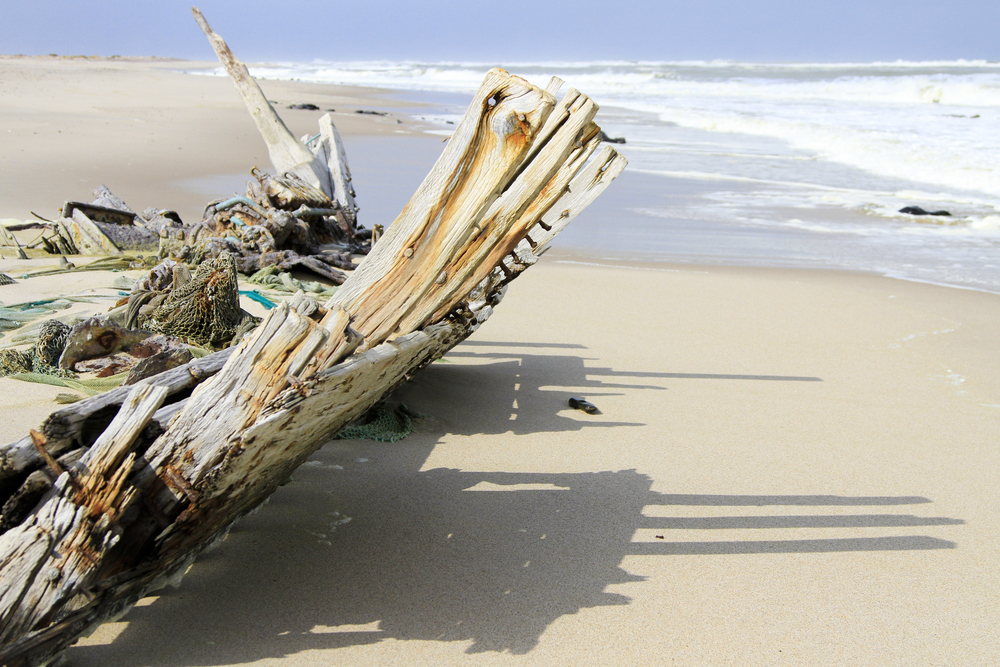
From wooden galleons hundreds of years old to modern steel-hulled vessels, the coastline holds ships from every era.
Shipwreck Survivors
If any person were to survive the initial shipwreck in the shark infested waters, it is said that they don’t make it far once they reach land—meaning the coastline isn’t just littered with animal bones, but human bones as well.
 Lukas Bischoff Photograph, Shutterstock
Desert Climate
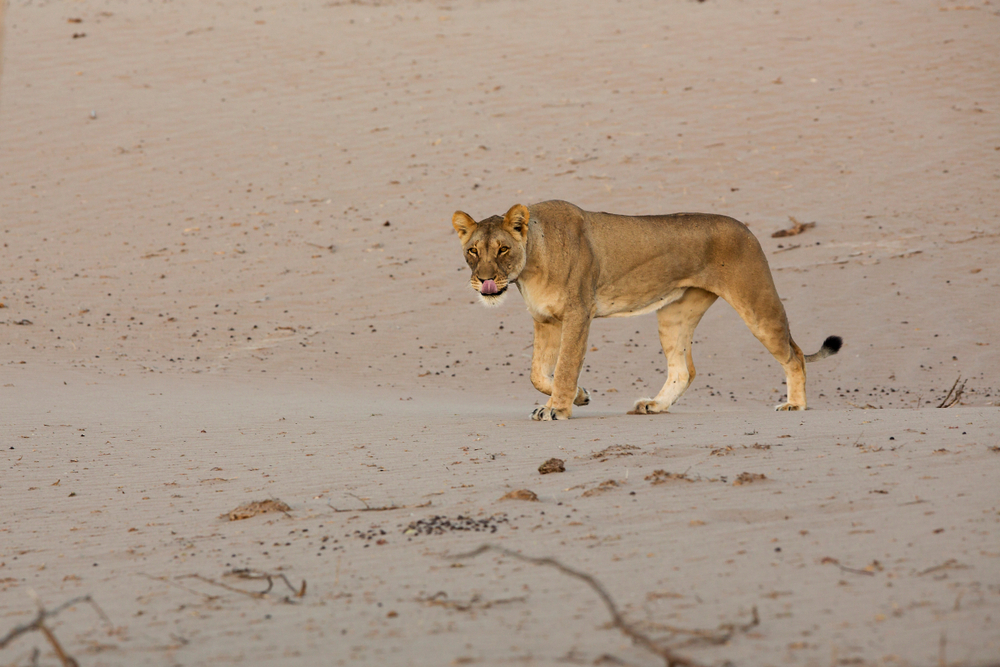
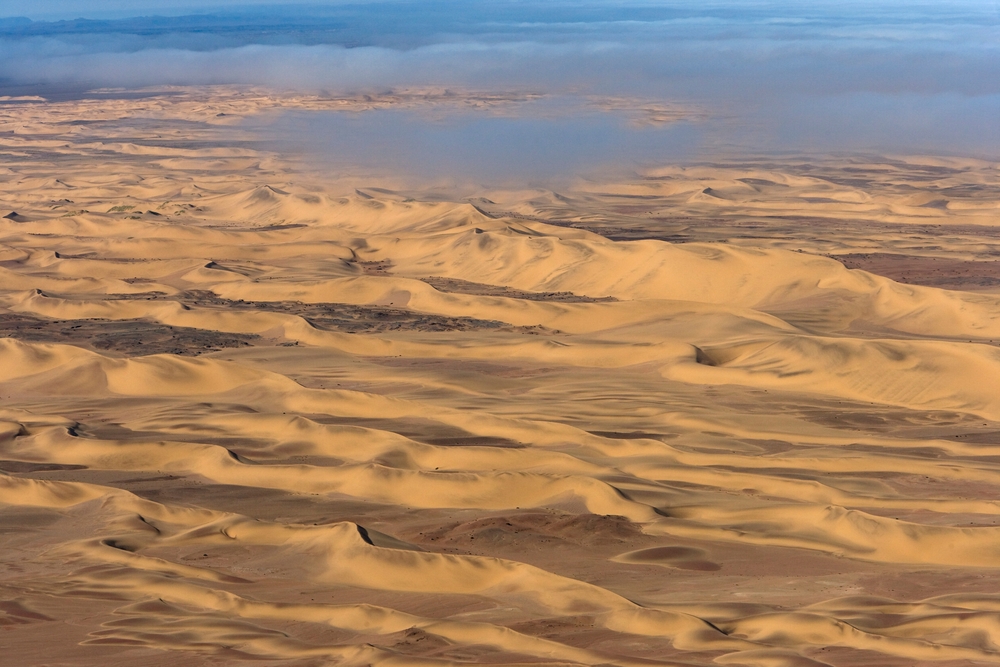
Once on land, survivors may find themselves among sand dunes towering behind the ocean for as far as the eye could see. The climate is scorching, and the harsh desert surroundings is home to terrifying predators like lions and hyenas.
 Thomas Retterath, Shutterstock
An Inhospitable Environment
With the harsh climate—near constant winds, minimal rain, dense fog, and high temperatures—the area is known to be highly inhospitable.
An Unknown Shipwreck
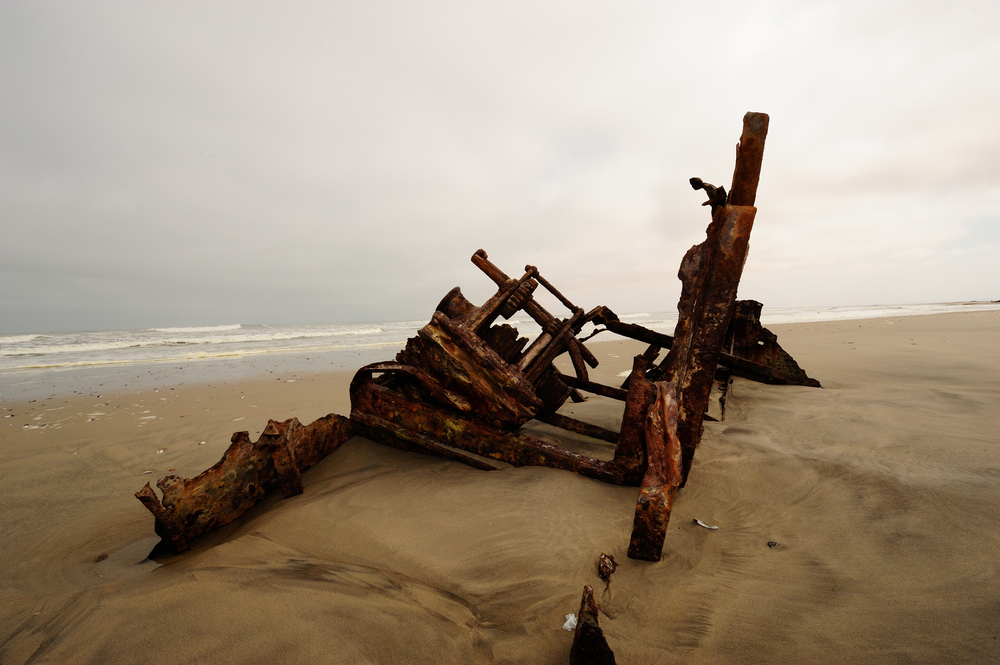
One particular grisly story surrounds the wreck of an unknown ship that washed up on Skeleton Coast back in 1860.
 Stephanie Periquet, Shutterstock
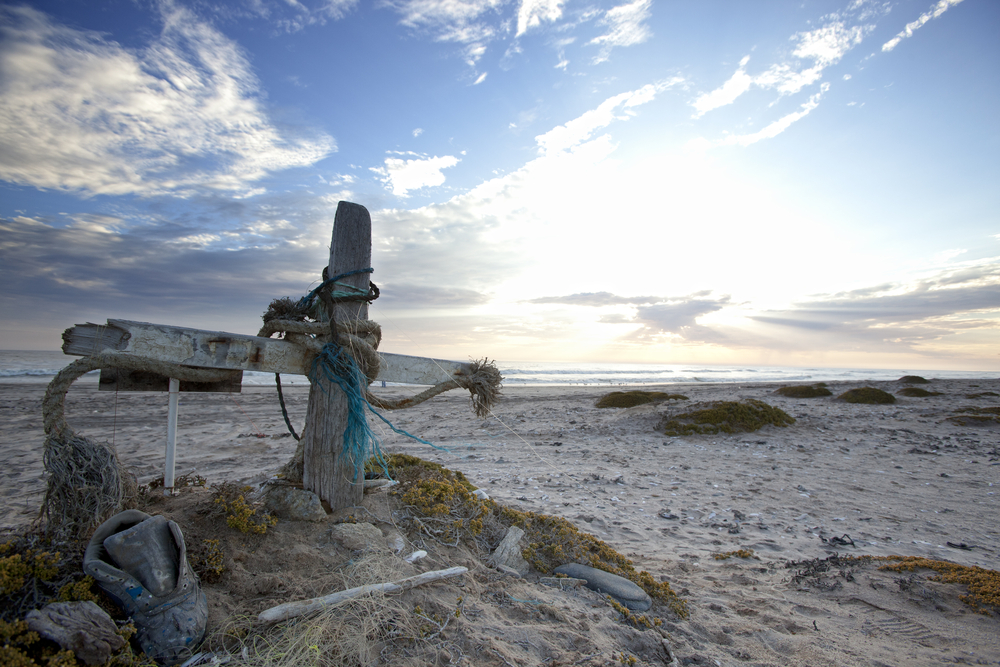
Headless Skeletons
The shipwreck was not found until 83 later, in 1943. The crew’s headless skeletons were buried in the sand, along with a weathered stone slab that read: “I am proceeding to a river 60 miles north, and should anyone find this and follow me, God will help him.”
The Mystery Remains
To this day, it’s a mystery who left the message, and the inscribers remains have never been found. This is only one of thousands of unexplained shipwrecks off of Skeleton Coast.
The Sand Dunes
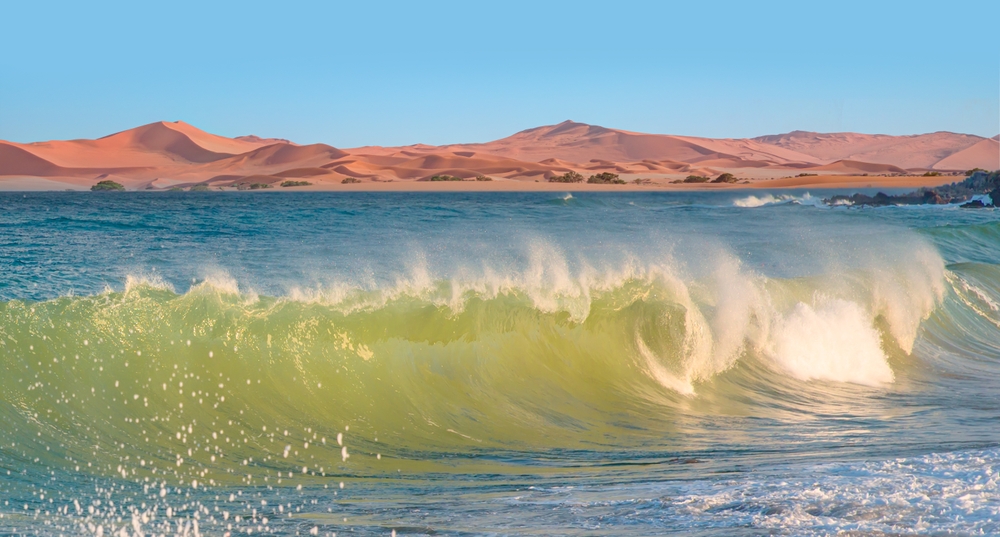
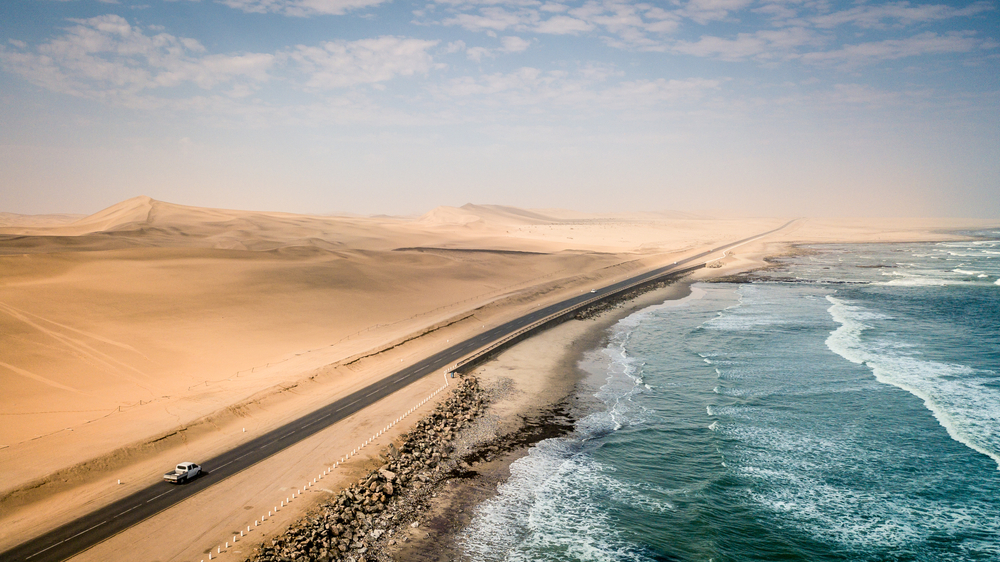
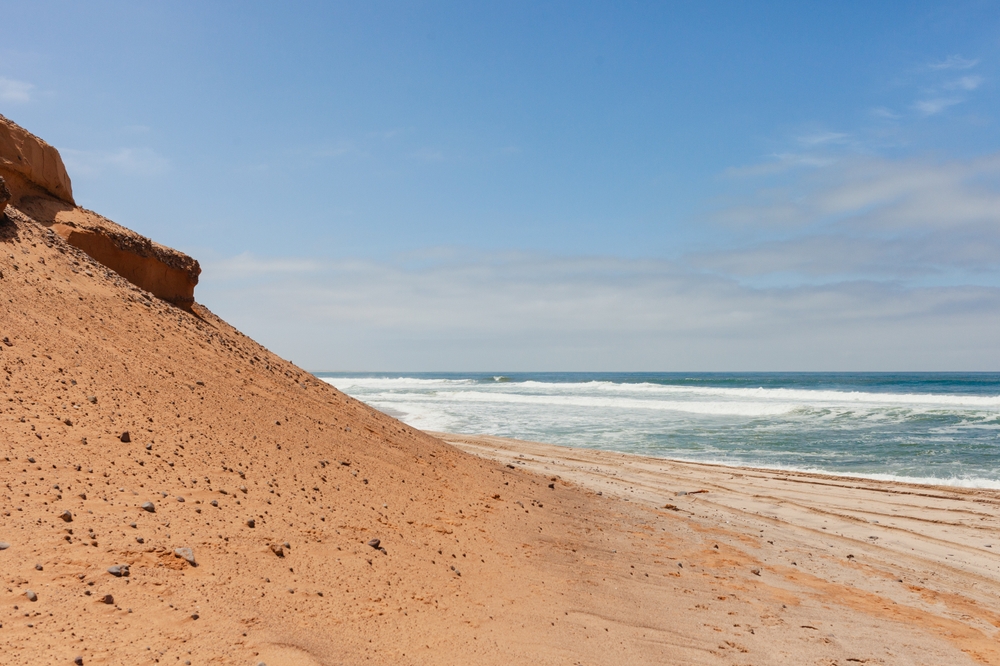
The desert sand dunes that meet the ocean tower a whopping 300 feet, and stretch for miles in every direction—an intriguing sight that is rarely seen anywhere else in the world.
 Dimitri Lisitsyn, Shutterstock
Wildlife
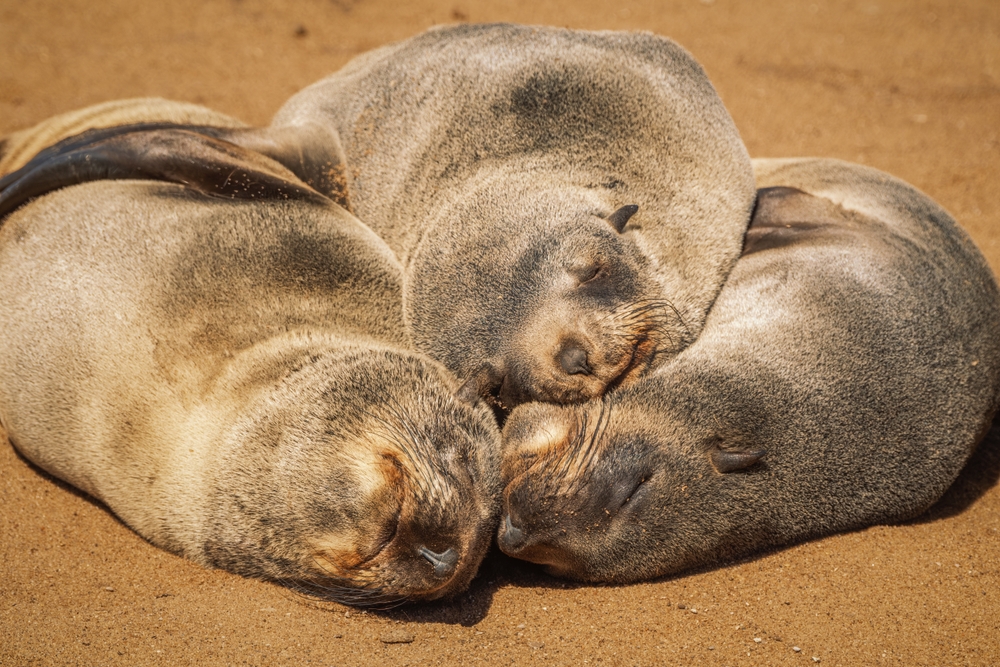
And although the area is deemed inhospitable for humans, there are several wildlife species that call it home, including lions who stalk seals along the coastline.
 Maurizio De Mattei, Shutterstock
Wildlife Loss
The animal graveyard that scatters the coastline is largely due to the circle of life. Lions, hyenas and other predators often find elephants wading along the shoreline, and turtles who make it to shore but cannot get back out to sea.
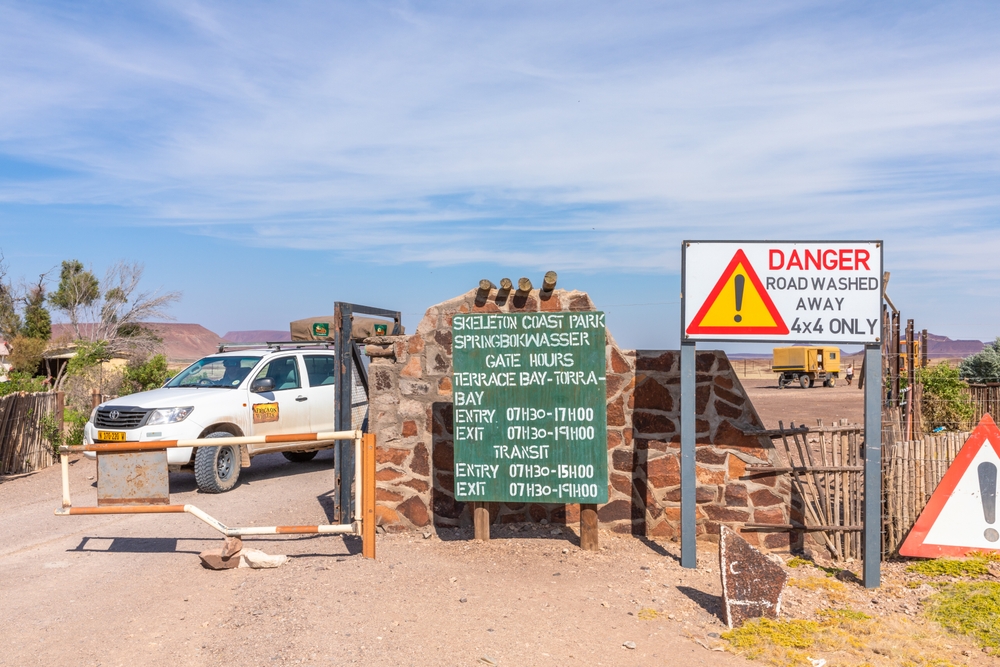
Skeleton Coast National Park
In 1971, Namibia declared 16,000 square kilometers (6,200 square miles) Skeleton Coast National Park, with the northern half of the park designated as wilderness area.
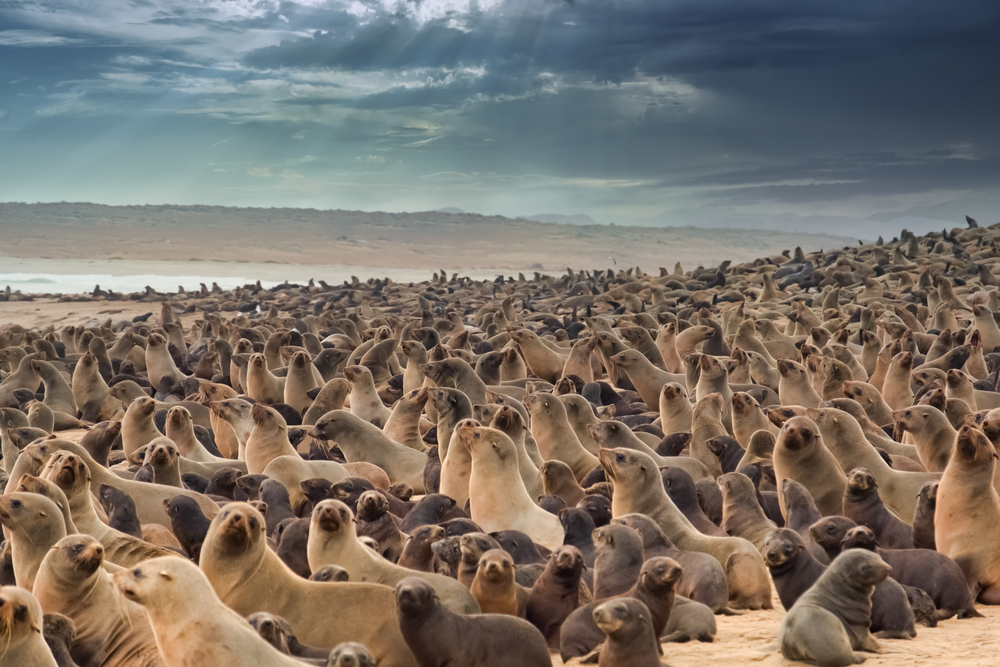
Seal Colony
There is a large seal colony at Cape Fria—an area only accessible by air due to its remote location. There is said to be about 250,000 Cape fur seals that can be seen there daily.
Inland Wildlife
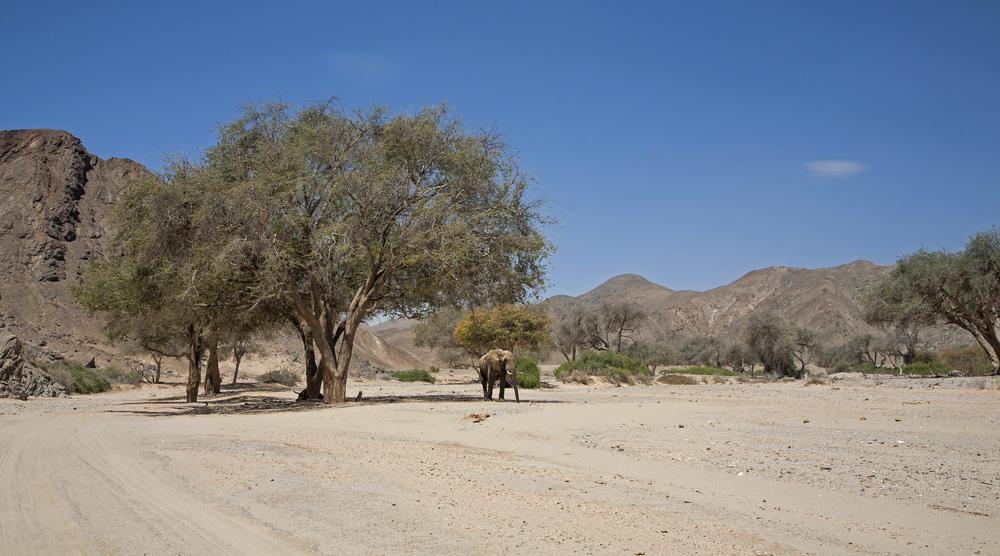
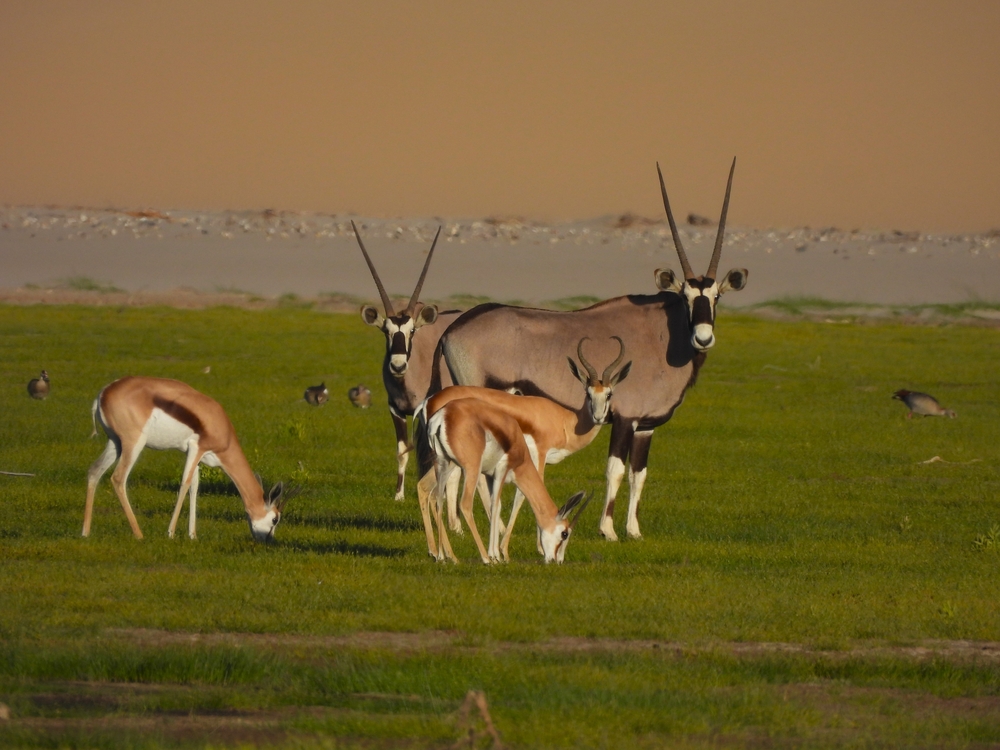
Further inland, past the towering sand dunes, you’ll find riverbeds that are home to baboons, giraffes, lions, black rhinoceros, spotted and brown hyena, as well as springbok.
 Brian Stuart Nel, Shutterstock
Human Life
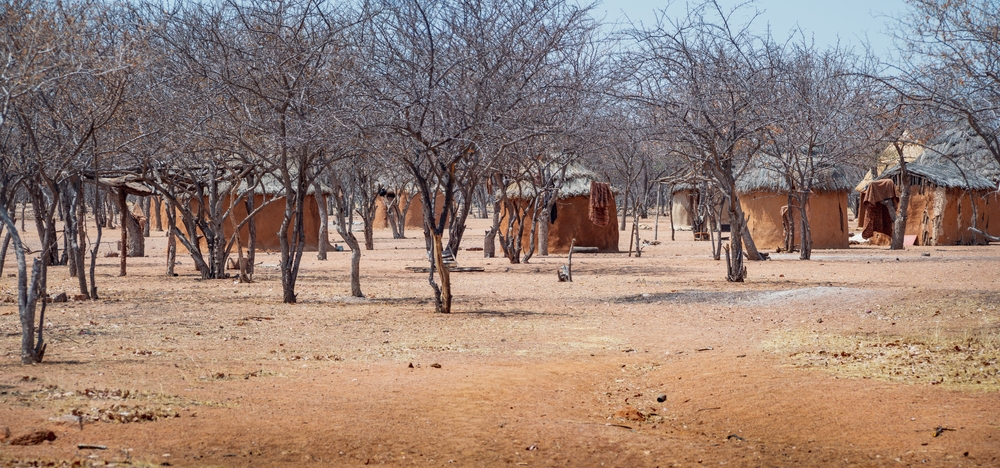
Though the Skeleton Coast is largely barren desert, is it not completely uninhabited. One particular indigenous tribe has adapted to the harsh climate, and continues to thrive among the deadly predators.
 Robert Harding Video, Shutterstock
The OvaHimba Tribe
The Himba tribe, which has a population of around 50,000 live in the northern part of Namibia, and are said to use the large whale bones to build their dwellings, and gather parts of shipwrecks to make tools.
Tourism
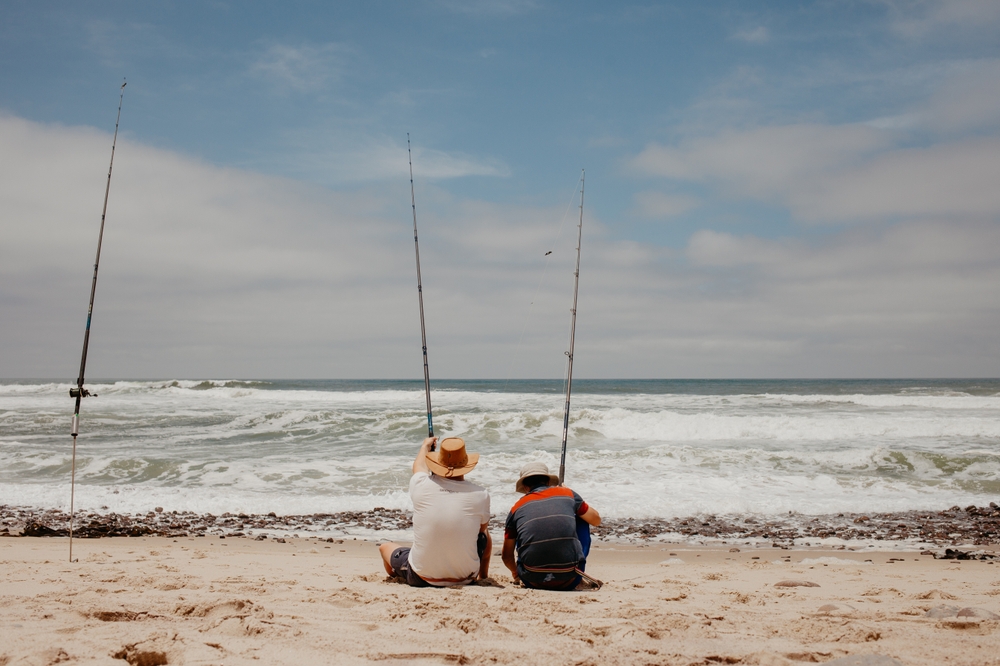
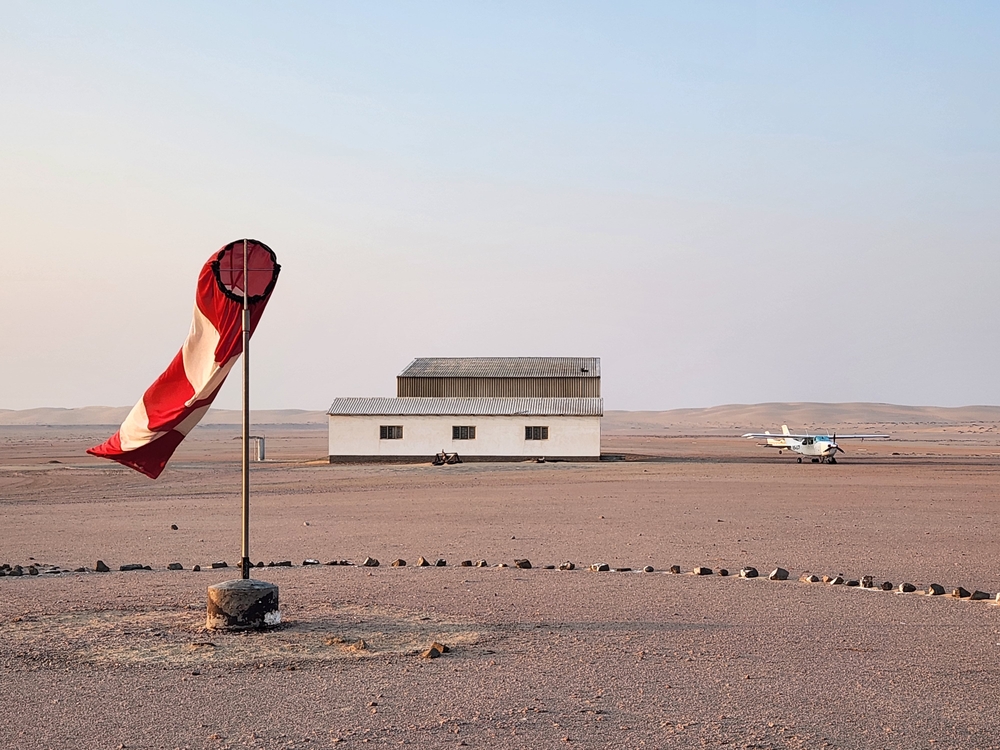
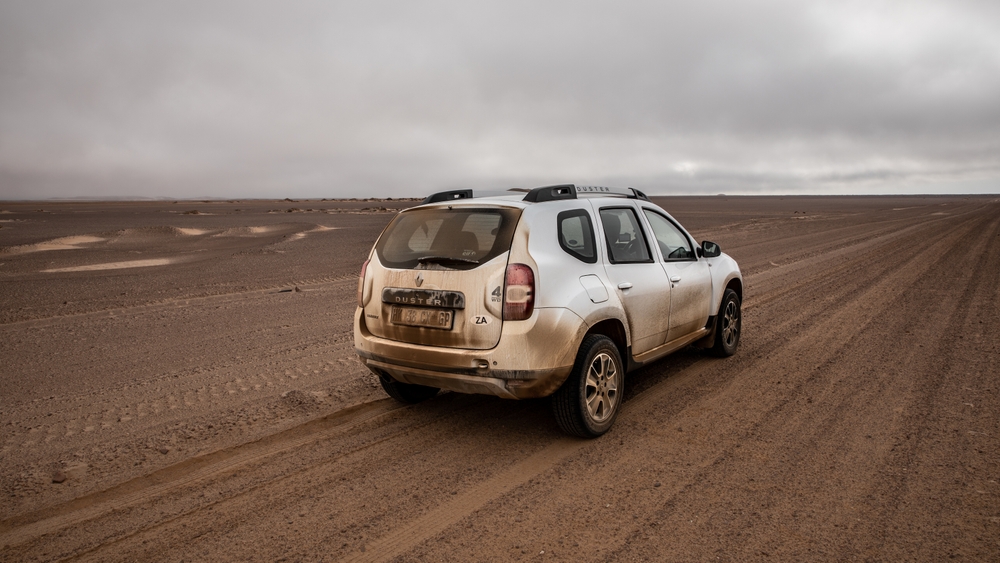
As with most of the coolest places on Earth, tourism has found a way in to Skeleton Coast, which includes safaris, ATV explorations, aircraft tours, and even surfing expeditions.
Skeleton Coast Park
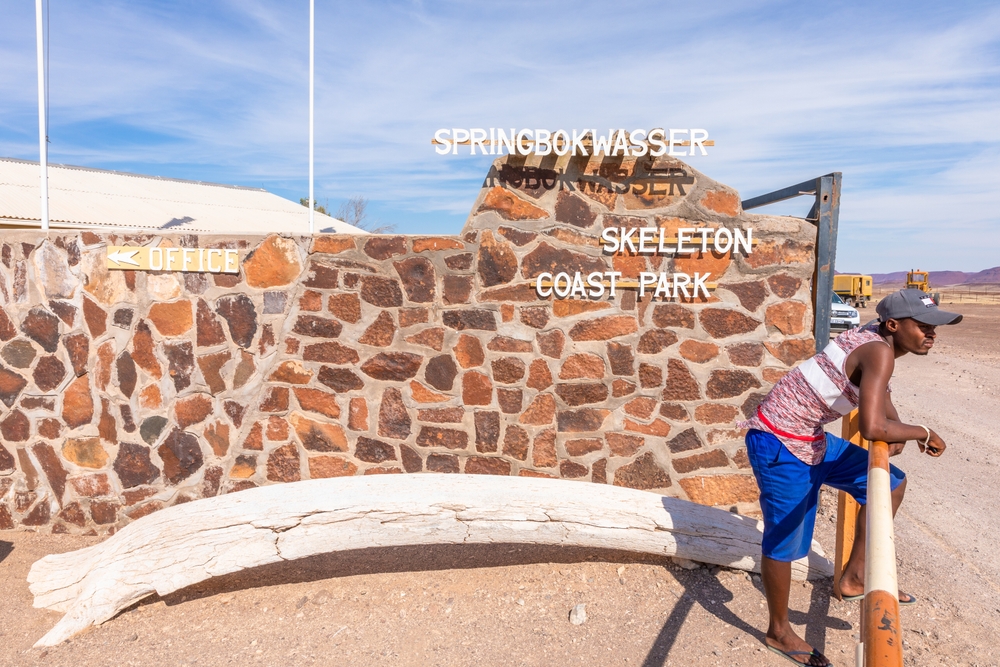
Day visitors are welcome at Skeleton Coast Park, but with restrictions. There are many areas where people are not permitted to go, and no one is allowed in the park after dark.
Guided Tours
The most interesting parts of Skeleton Coast—where you’ll find the majority of the skeletons and shipwrecks—can only be seen through guided tours, and usually by aircraft.
 Brian Stuart Nel, Shutterstock
The Edge of the World
Many people refer to the Skeleton Coast as the mythical “end of the Earth,” and most shipping companies do not allow their vessels to even go near this “no-go zone.”
Final Thoughts
Skeleton Coast is known as one of the most dangerous places in the world due to several factors, including treacherous waters, intense climate conditions, high concentration of predators, and unforgiving ocean currents.
Even so, extreme tourism allows people the adventure of a lifetime.





.jpg)
.jpg)