
Boosting the Body’s Immune Function
Fueling your body with certain foods can help keep your immune system strong.
If you’re looking for ways to prevent illness, your first step should be a trip to the grocery store. Here are 20 foods that double as powerful immune system boosters.

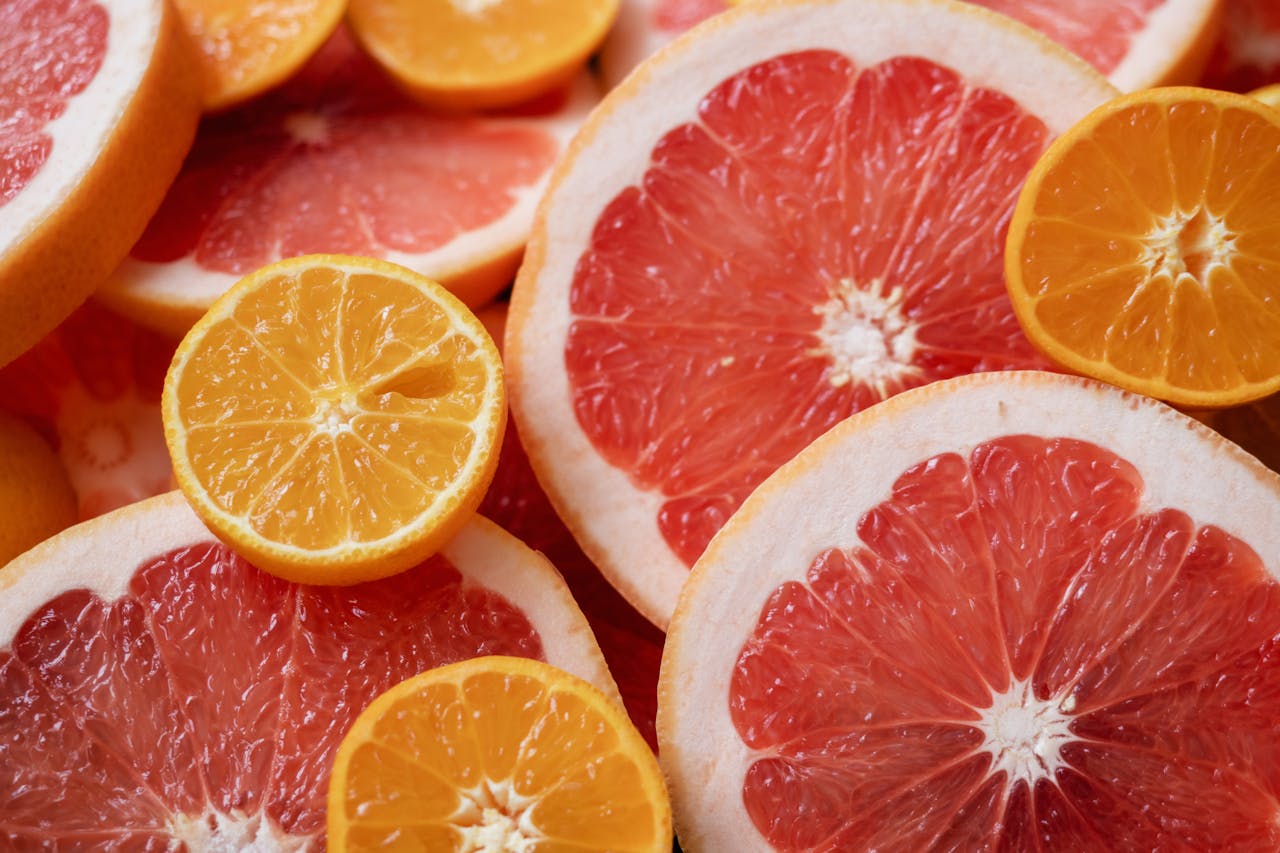
Citrus Fruits
Most citrus fruits are high in vitamin C as it is thought to increase the production of white blood cells—which are key to fighting infections.
Popular citrus fruits for boosting immunity include: grapefruit, oranges, clementines, lemons, and limes.
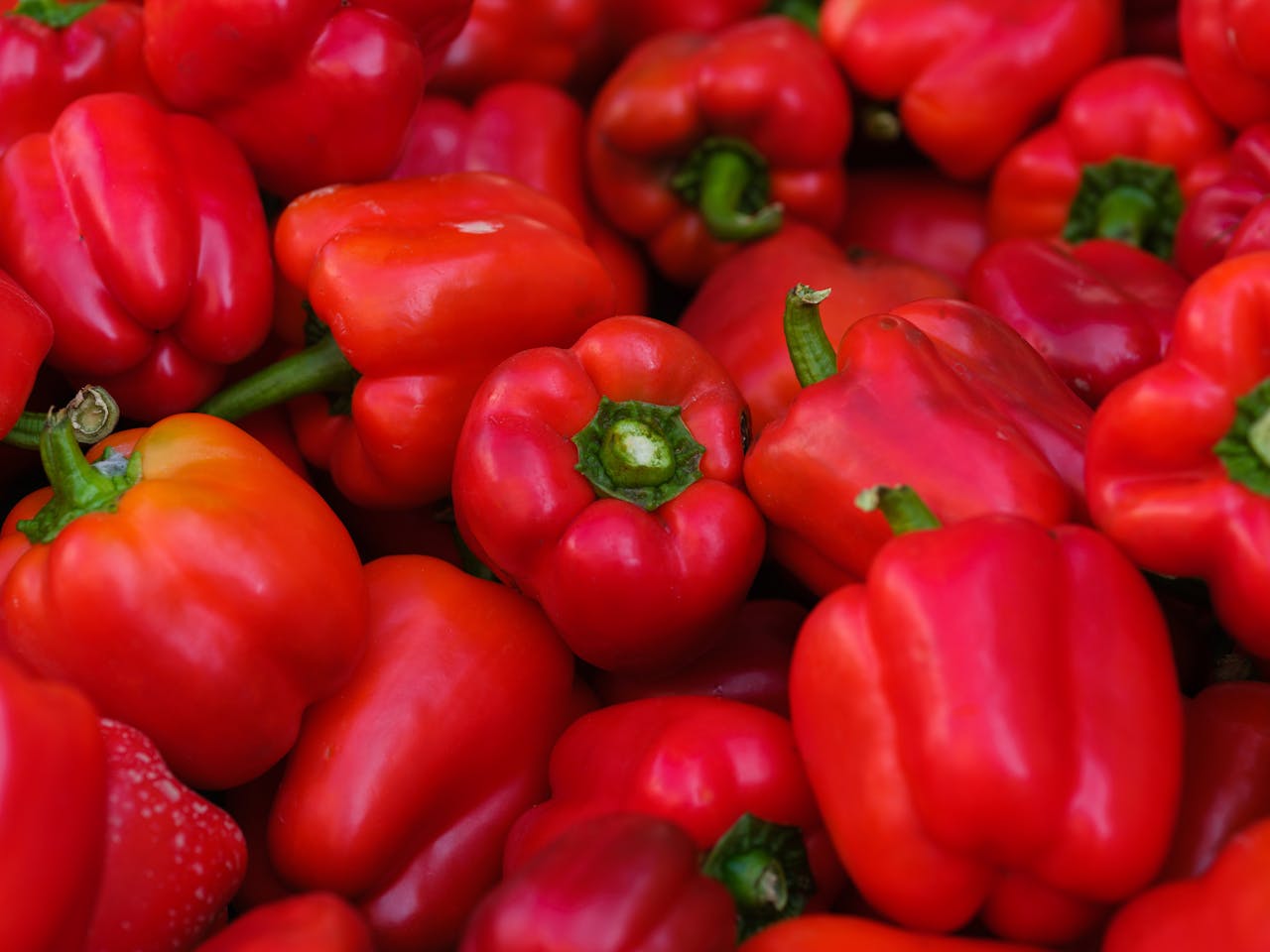
Red Bell Peppers
Red bell peppers contain almost 3 times as much vitamin C as a Florida orange. They’re also a rich source of beta-carotene, which your body converts into vitamin A, keeping your eyes and skin healthy.
Broccoli
Broccoli is jam packed with vitamins and minerals, including vitamins A, C, and E, as well as fiber and many other antioxidants.
Broccoli is one of the healthiest vegetables you can put on your plate. Steaming is the best cooking method for preserving its nutrients.

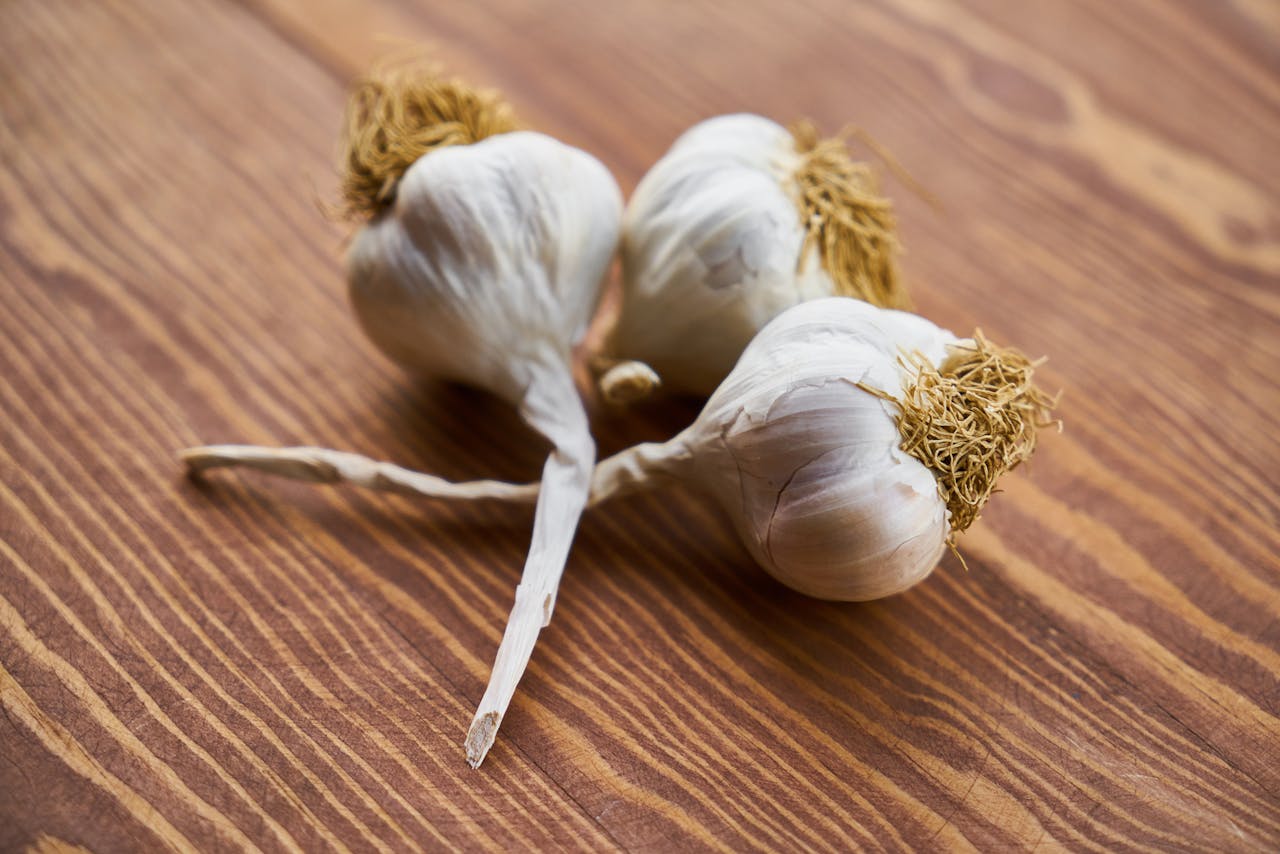
Garlic
Not only does garlic pack a flavor punch, it has also been long used for medicinal purposes. Garlic may also slow down hardening of the arteries, and people use it to treat high blood pressure.
The immune-boosting properties in garlic come from a heavy concentration of sulfur-containing compounds, such as allicin.
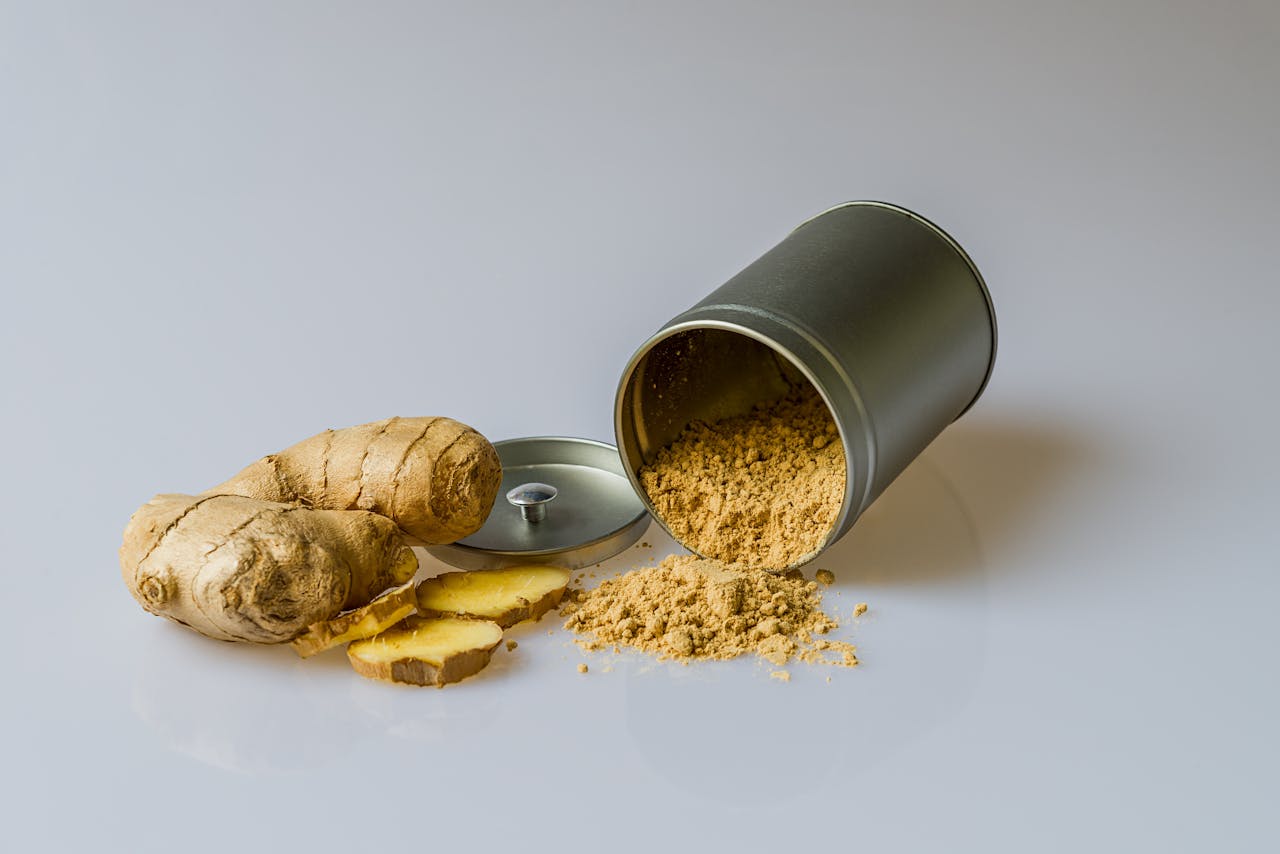
Ginger
Ginger is another common food used for illnesses. It may have decrease inflammation, reduce a sore throat, lessen nausea, and aid in inflammatory illnesses.
It is also said to decrease chronic pain, and even have cholesterol-lowering properties.
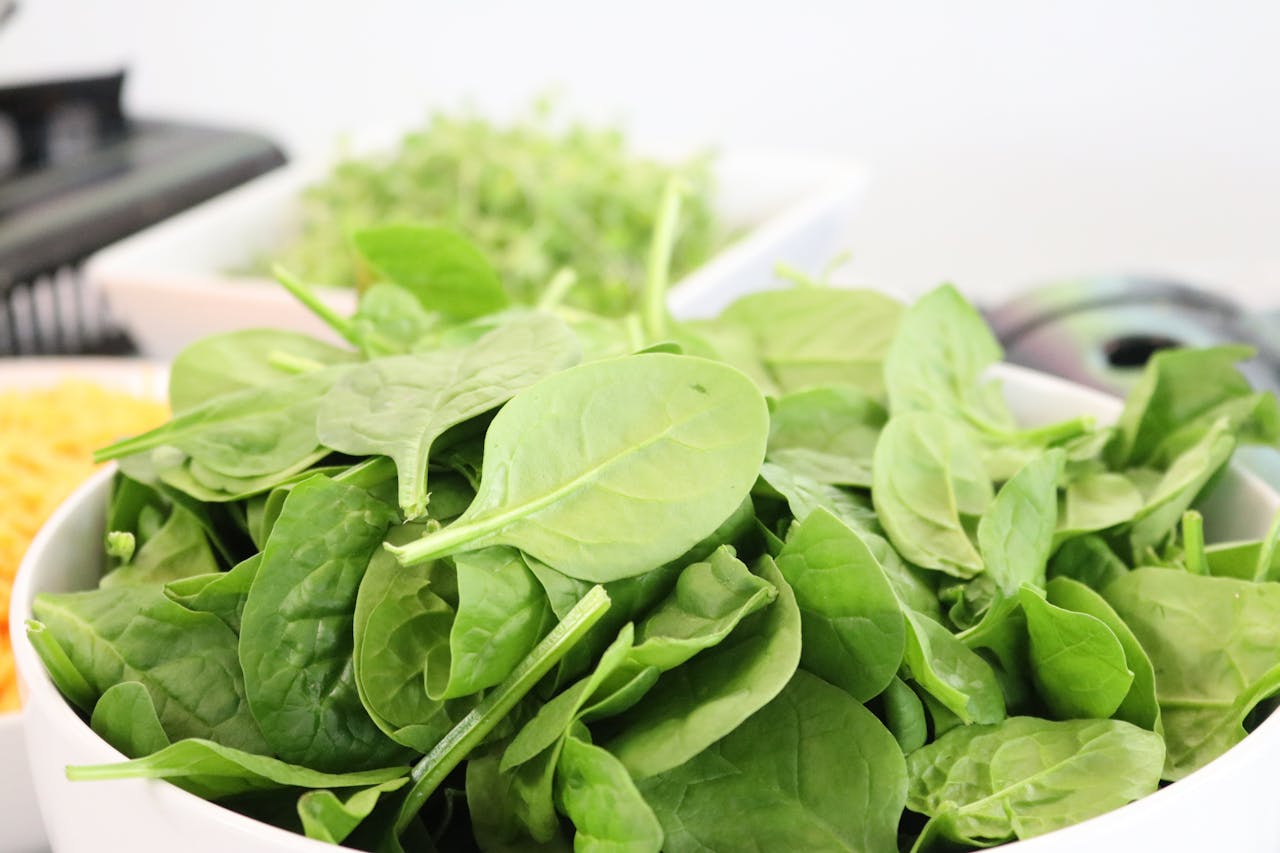
Spinach
Not only is spinach rich in Vitamin C, it’s also packed with numerous antioxidants and beta-carotene—both of which fight infections.
Spinach is healthiest when raw, or cooked as little as possible. However, light cooking makes it easier to absorb the vitamin A and allows other nutrients to be released from oxalic acid, an antinutrient.
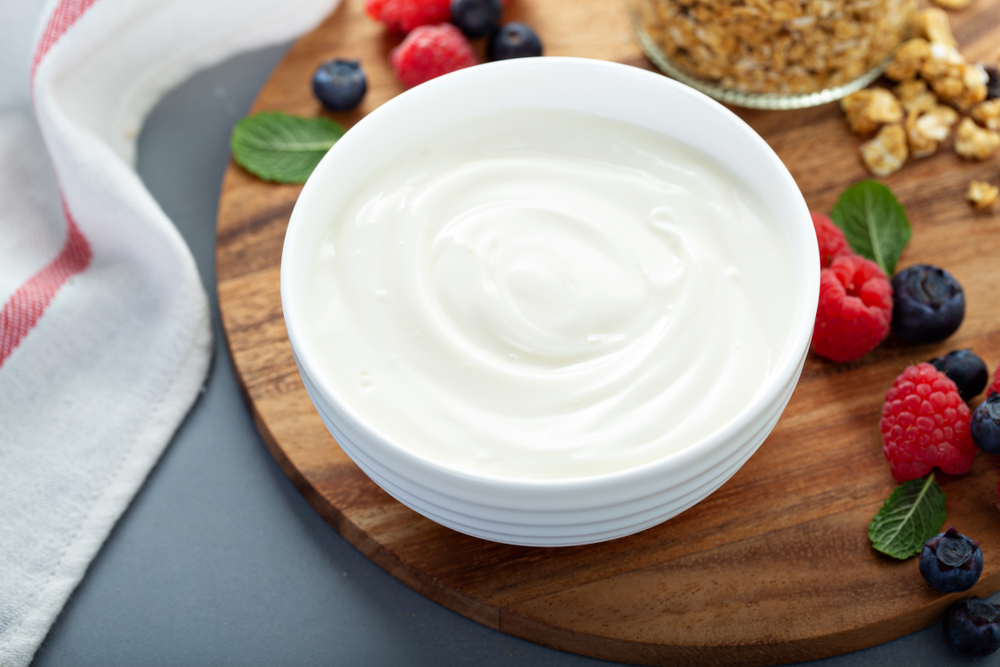
Yogurt
Yogurts that have “live and active cultures”, like Greek yogurt, may stimulate your immune system to help fight diseases. Yogurts fortified with vitamin D will help boost your body’s natural defenses.
Opt for plain yogurts that are not loaded with sugars, and add honey for flavor instead.
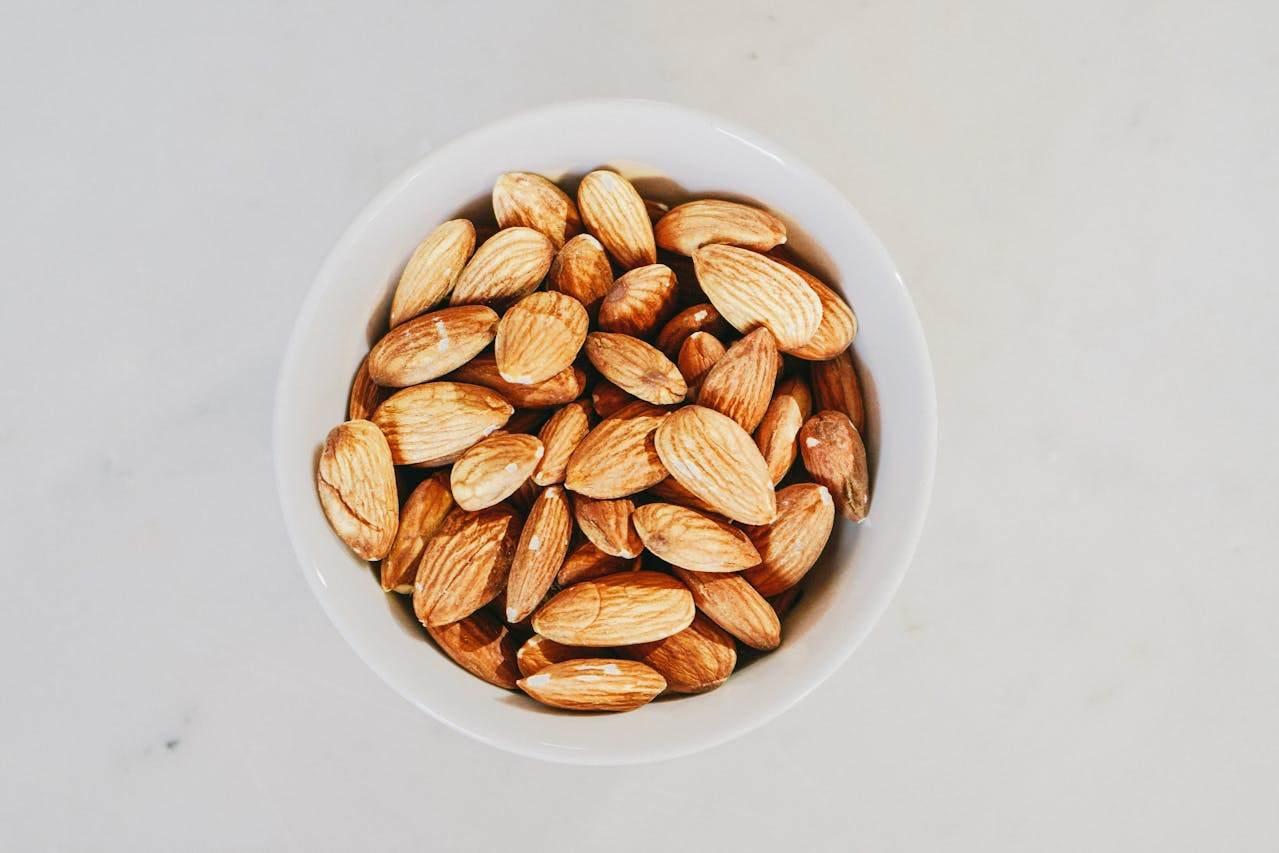
Almonds
Nuts, like almonds, are packed with vitamin E—a fat-soluble vitamin—and healthy fats.
A half-cup serving of almonds, which is about 46 whole, shelled almonds, provides around 100% of the recommended daily amount of vitamin E for an adult.
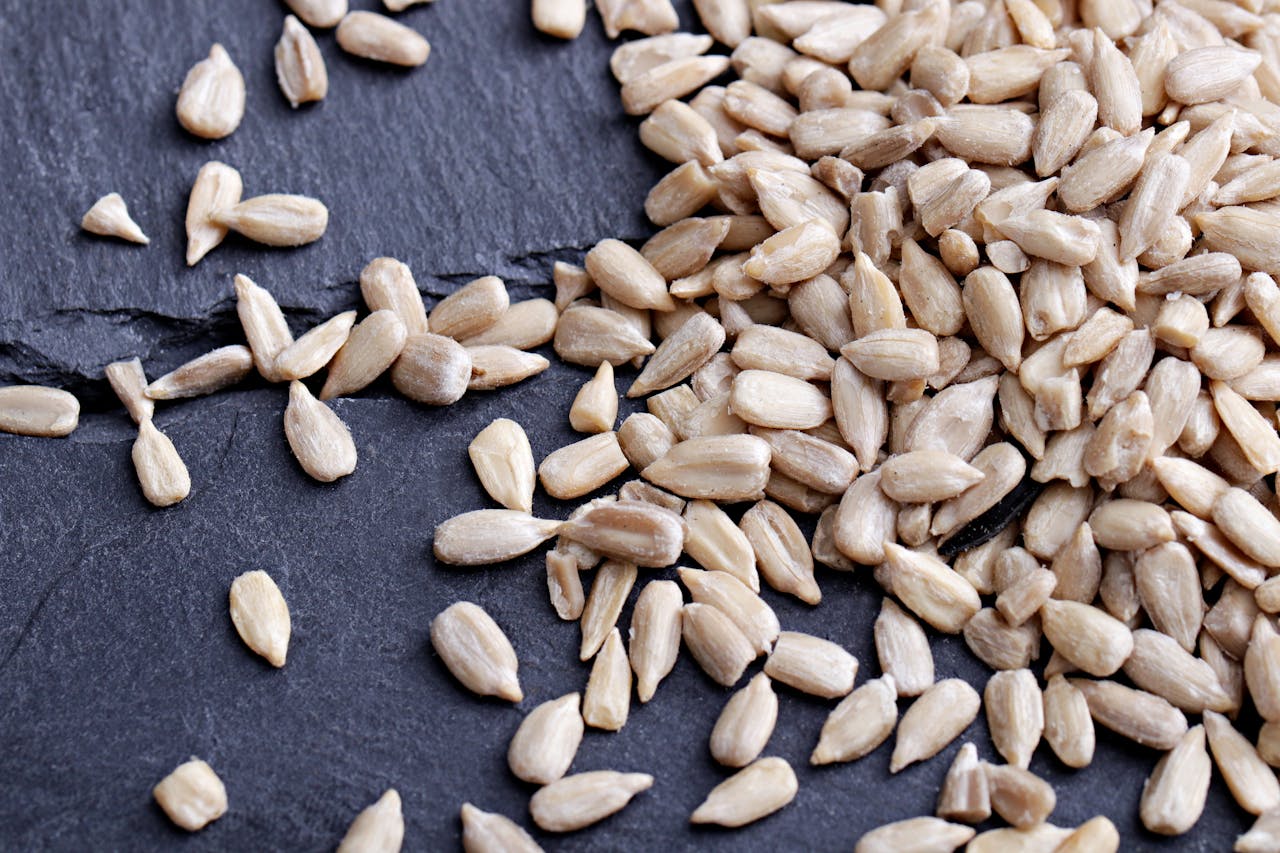
Sunflower Seeds
Sunflower seeds are full of nutrients, including phosphorous, magnesium, and vitamins B6 and E. They’re also high in selenium—an important mineral famed for its role in fighting infections.
Just one ounce contains nearly half the selenium that the average adult needs daily.
Turmeric
This bright yellow, bitter spice has also been used for years as an anti-inflammatory in treating both osteoarthritis and rheumatoid arthritis.
High concentrations of curcumin—a known immune booster with antimicrobial properties—can help decrease exercise-induced muscle damage.

Green Tea
Both green and black teas are packed with flavonoids, a type of antioxidant. But green tea has high levels of epigallocatechin gallate (EGCG)—another powerful antioxidant.
EGCG has antiviral properties that support the immune system, but it is often destroyed in the fermentation process black tea goes through. Green tea is steamed and not fermented, so the EGCG is preserved.

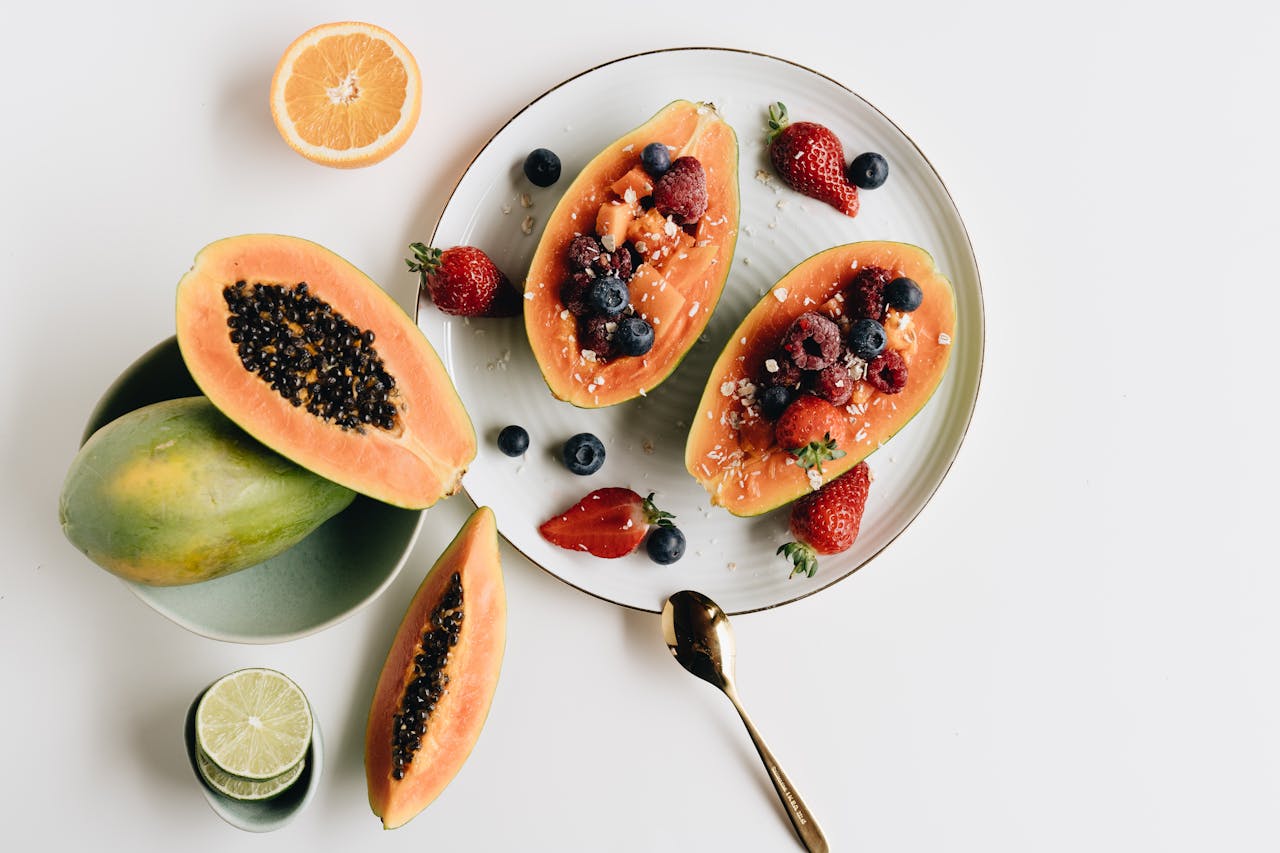
Papaya
One small papaya contains 100% of the daily recommended amount of vitamin C. Papayas also have a digestive enzyme called papain that has anti-inflammatory effects.
They’re also rich in potassium, magnesium, and folate, all of which are beneficial to your overall health.
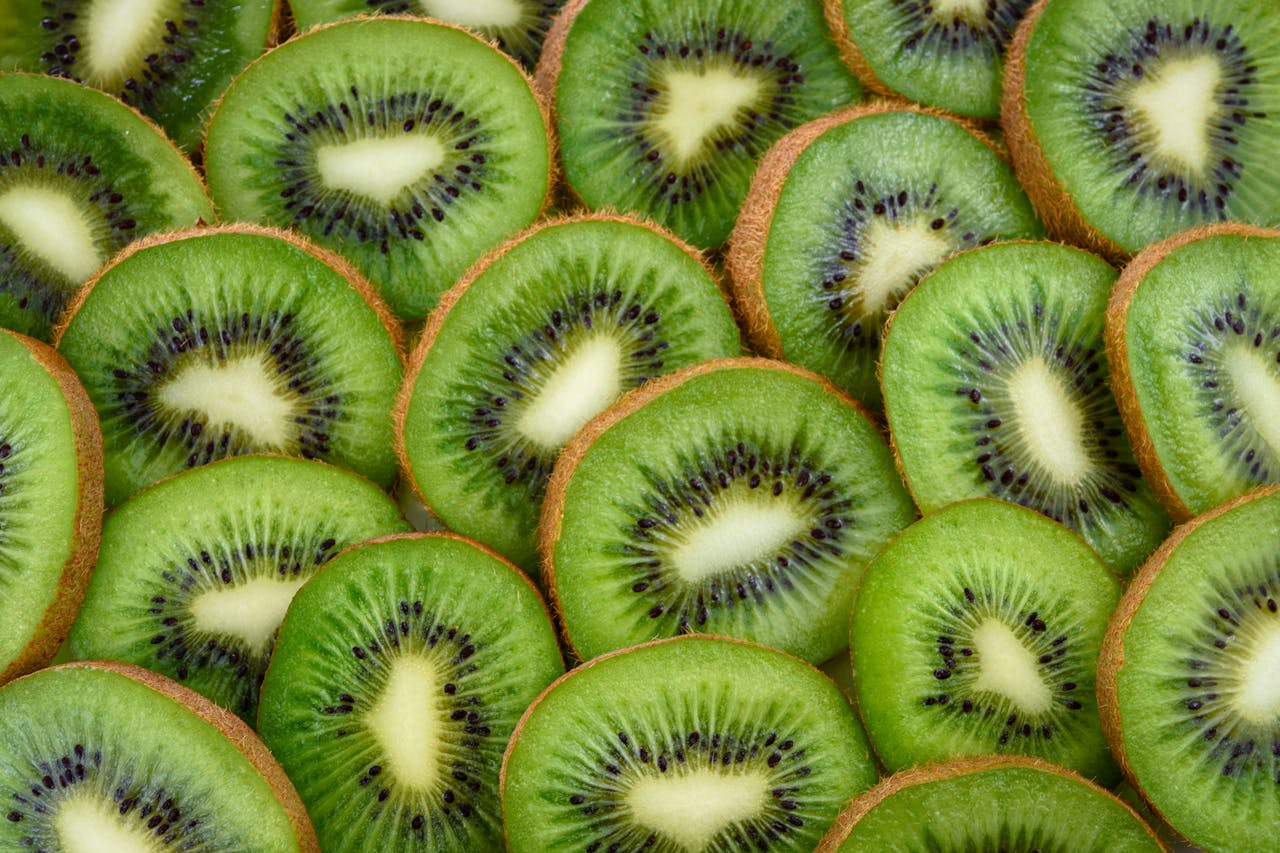
Kiwi
Kiwis are similar to papayas in the sense that they are also a rich source of essential nutrients, including folate, potassium, vitamin K, and of course vitamin C.
Poultry
Chicken soup when you’re sick does more than you think it does. The soup may help lower inflammation, which could improve cold symptoms.
Poultry, such as chicken and turkey, is high in vitamin B6—which plays an important role in chemical reactions in the body, and also helps form new and healthy red blood cells.

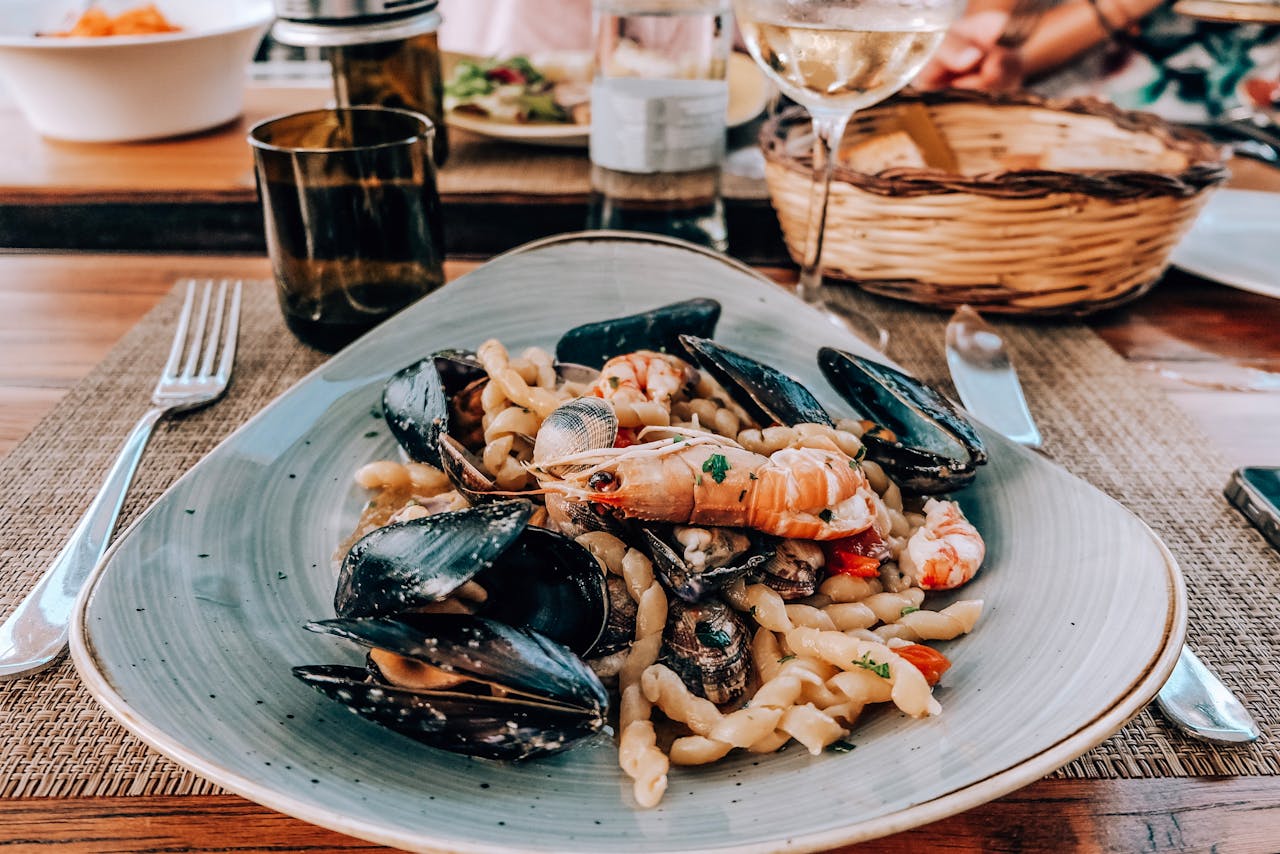
Shellfish
Some types of shellfish provide zinc—a nutrient that supports immune function. Shellfish high in zinc include: oysters, crab, lobster, and mussels.
Keep in mind, too much zinc can have the opposite affect on your immune system. Adult men only need 11mg a day, and adult women only need 8mg per day.
Blueberries
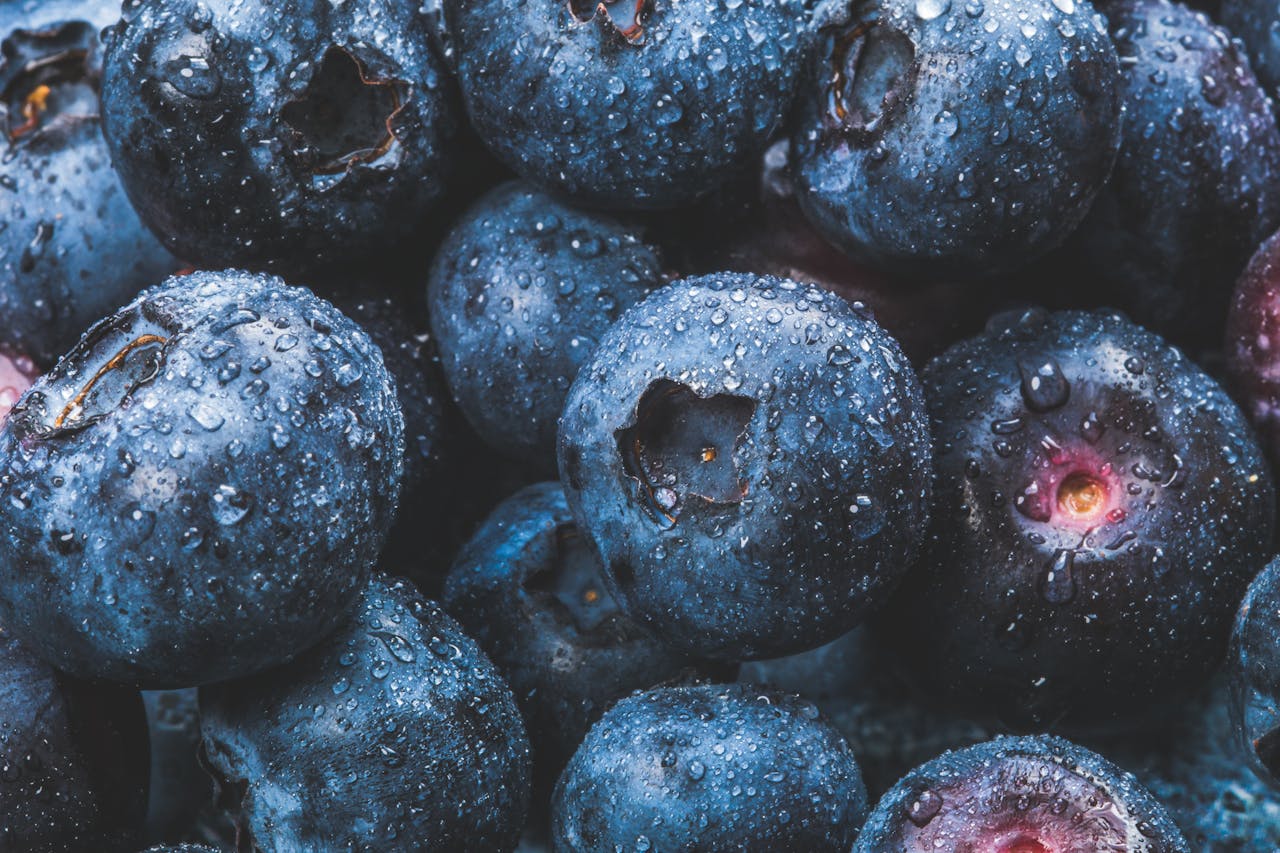
Blueberries contain a type of flavonoid called anthocyanin, which has antioxidant properties that can help boost the immune system.
Blueberries play an essential role in the respiratory tract’s immune defense system.
Dark Chocolate
Dark chocolate also contains antioxidants, specifically theobromine, which helps by protecting the body’s cells from free radicals—molecules that the body produces when it breaks down food or comes into contact with pollutants.

Sweet Potatoes
Sweet potatoes are rich in beta-carotenes, which is an excellent source of vitamin A.
Not only is this helpful to the immune system, but it also helps to maintain healthy skin and adds protection from harmful UV rays.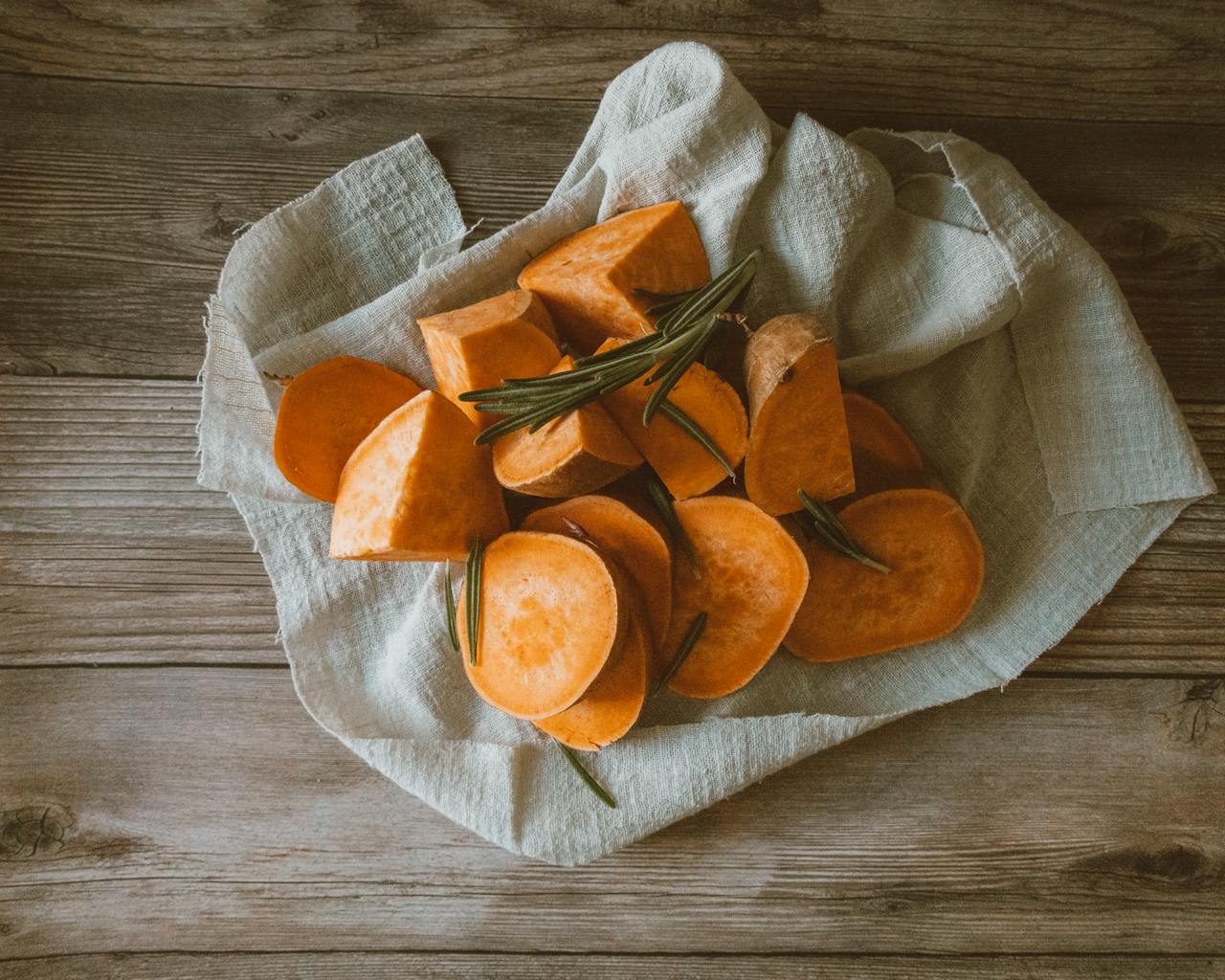 Jess Loiterton, Pexels
Kefir
Kefir is a fermented drink that contains live cultures of bacteria that are beneficial for health. Studies suggest that regular consumption of kefir can help with: fighting bacteria, reducing inflammation, and increasing antioxidant activity.

Leafy Greens
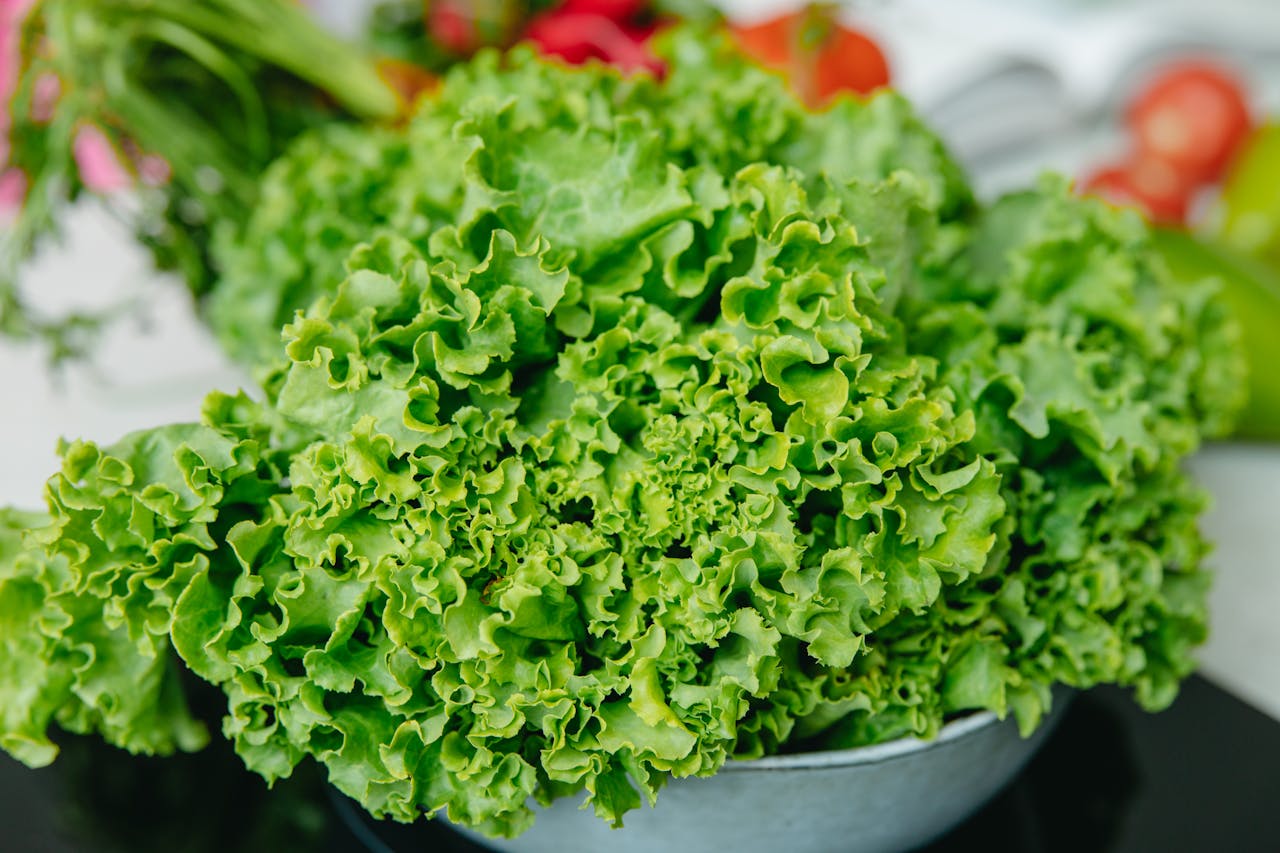
In addition to spinach, other leafy greens such as kale and Swiss chard can do wonders for your immune system. They're loaded with nutrients and fiber, supporting a healthy gut and reducing oxidative damage and inflammation in the body.
Other Ways to Boost Immunity
The following lifestyle strategies may make a person’s immune system stronger:
- avoiding smoking
- exercising regularly
- maintaining a healthy weight
- avoiding drinking, or doing so in moderation
- getting enough sleep
- minimizing stress
- practicing correct hand-washing and oral hygiene
 Andrea Piacquadio, Pexels

Foods That Negatively Affect the Immune System
Regularly consuming some unhealthy foods may prevent the immune system from functioning properly. Studies suggest that diets high in sugar and excess salt are associated with an increased risk of certain autoimmune conditions and other chronic illnesses.

Foods to Avoid
Foods to avoid include processed foods—such as canned foods, microwavable meals, chips and cookies—as well as foods high in sugar, and foods high in carbohydrates.

Foods to Avoid: Examples
Specifically, try to eat the following food in moderation: preserves, marmalades, cookies and cakes, flavored/sweetened dairy products, soda, breakfast cereal, white rice, and white bread.