The Secret Ingredient In Most Foods You Eat
Bug fanatics rejoice! It turns out, bugs are everywhere—including in our food.
If the thought of eating a bug makes your stomach churn, we’ve got bad news for you: you’ve likely been consuming creepy crawlers for a long time.

Insect Consumption Stats
According to Scientific America, people eat an average of 1-2 pounds of flies, maggots and other bugs each year without even knowing it.
We agree, it’s gross. But is it safe?

Food Safety Standards
The Food and Drug Administration (FDA) actually allows a small number of insects in food products, because it would be too much work to filter them all out.
Not only is it allowed, researchers are now encouraging it.
 Charoen Krung Photography, Shutterstock
The Sustainable Approach
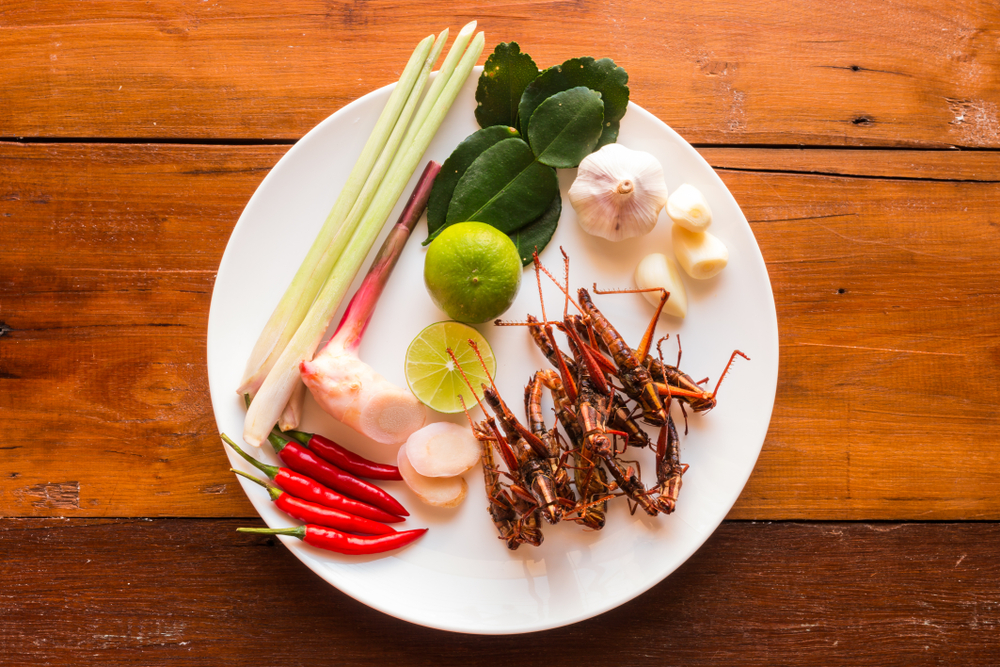
Researchers suggest that due to their abundance and low-environmental impact, eating bugs as a main source of protein may be a more sustainable way to feed the growing human population.

Edible-Insects: A Growing Trend
In fact, there are whole brands out there now that purposely use insects as main ingredients in their products. These companies claim there is a growing market for edible insect products and that it is expected to grow by more than 26% per year through until 2027.
Eating bugs on purpose even has a name.
 T.K. Naliaka, Wikimedia Commons
Entomophagy
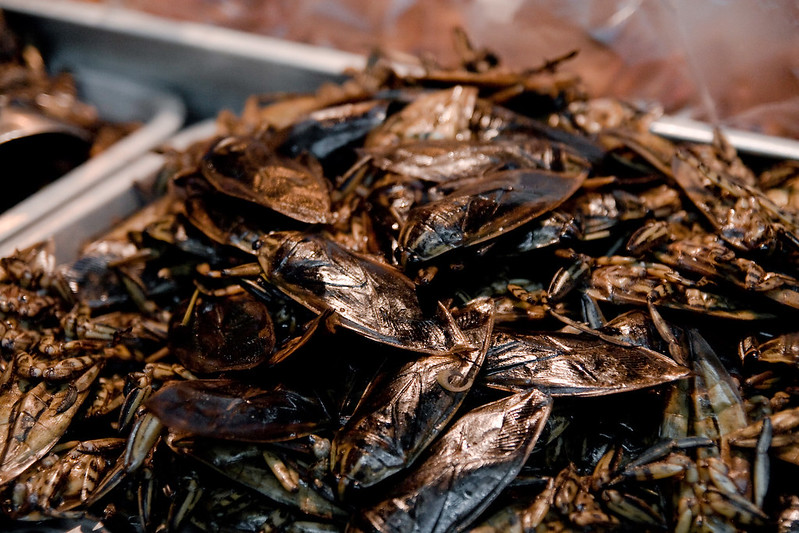
The practice of eating insects is known as entomophagy, which is heavily influenced by cultural practices. More than 2,100 insect species are commonly consumed as food in many regions around the world.
Unintentional Ingredients
Aside from the edible insect market, bugs tend to get into our food during the manufacturing process unintentionally. This includes insect heads, bodies, and legs. They come from the fields where food is grown, and follow along into storage, transit, and even the grocery stores.
17 Common Products You Likely Have in Your Kitchen
Here’s a short list of some of the most common household products and food that secretly contain insects, as well as a few items that are purposely made for the up-and-coming insect-based diet.

Peanut Butter
According to the FDA’s Food Defect Action Levels guide, the 16-ounce jar of peanut butter in your pantry can contain up to 136 insect parts before it is deemed contaminated.

Chocolate
The average 4.4-ounce chocolate bar may contain up to 74 insect fragments, in accordance with FDA standards.
Cockroach parts are said to be the most common insect found in chocolate.

Pasta
Pasta can have up to 225 insect fragments per 225 grams before the FDA will ban it from grocery store shelves. That’s one bug for each gram of pasta.
Insects usually find their way into pasta through wheat, which can contain up to 75 insect parts per 50 grams (about ¼ cup).

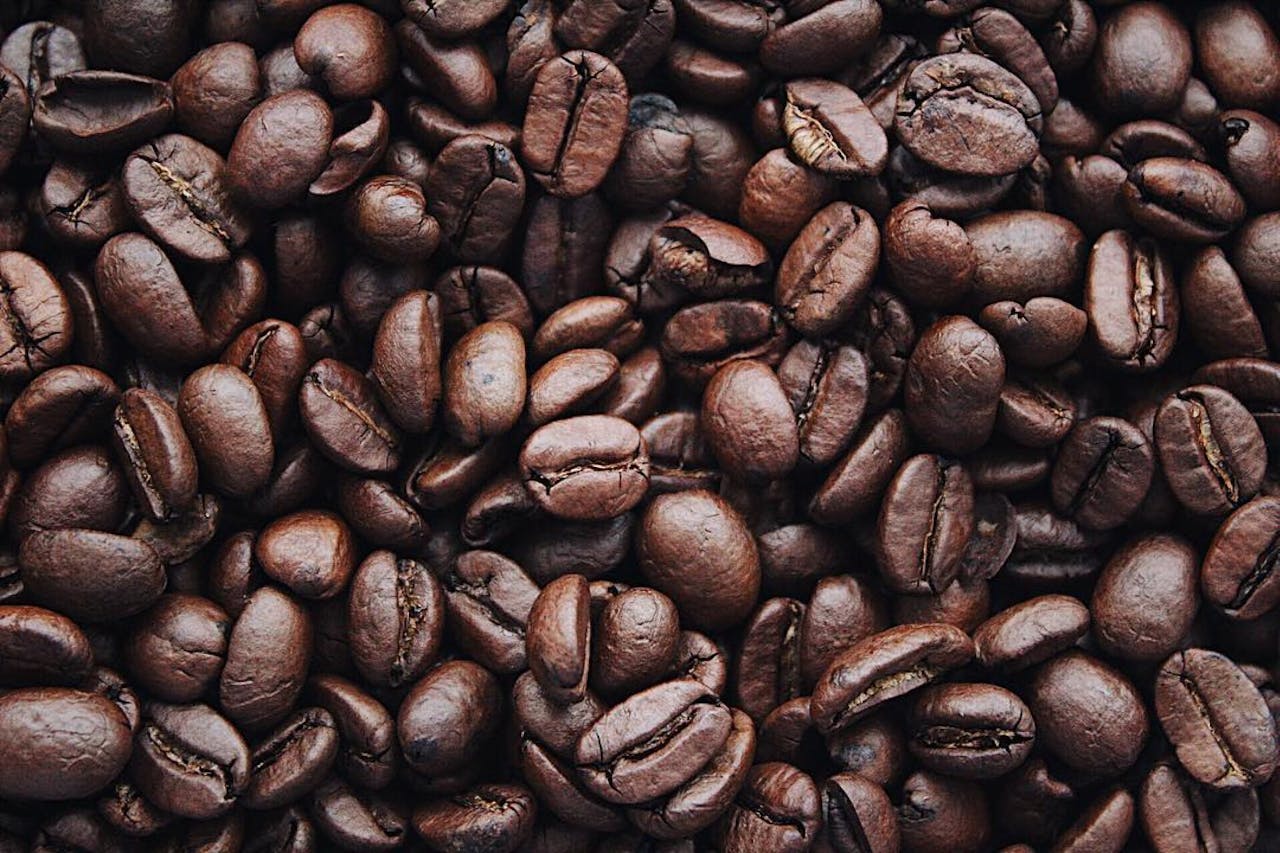
Coffee Beans
How many people have a coffee each morning to start their day? Well, they may also be drinking around 120 insect parts.
The FDA approves coffee samples that are less than 10% insect-infested.
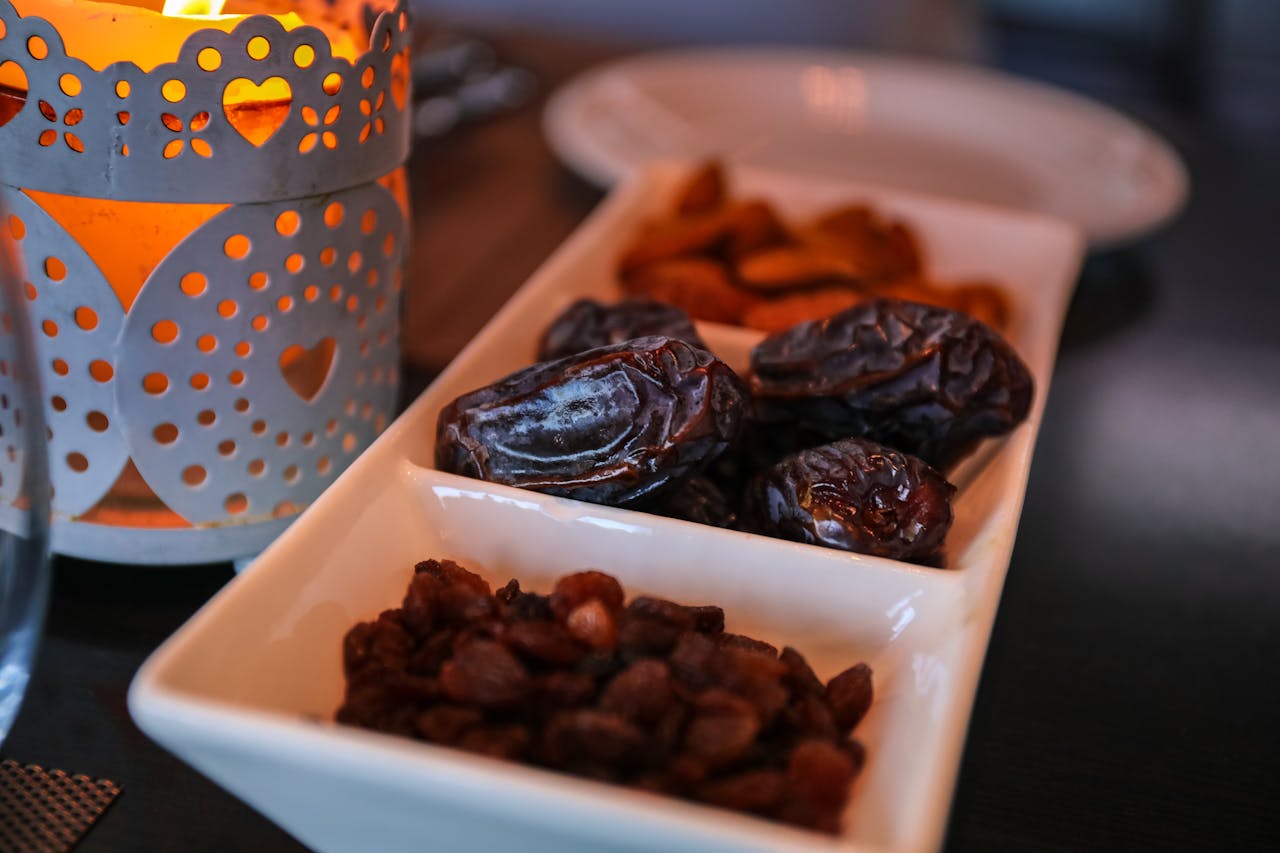
Raisins
Just one cup of raisins can have up to 35 fruit fly eggs and 10 whole insects, according to FDA guidelines.
As gross as it sounds, at least it’s not harmful.
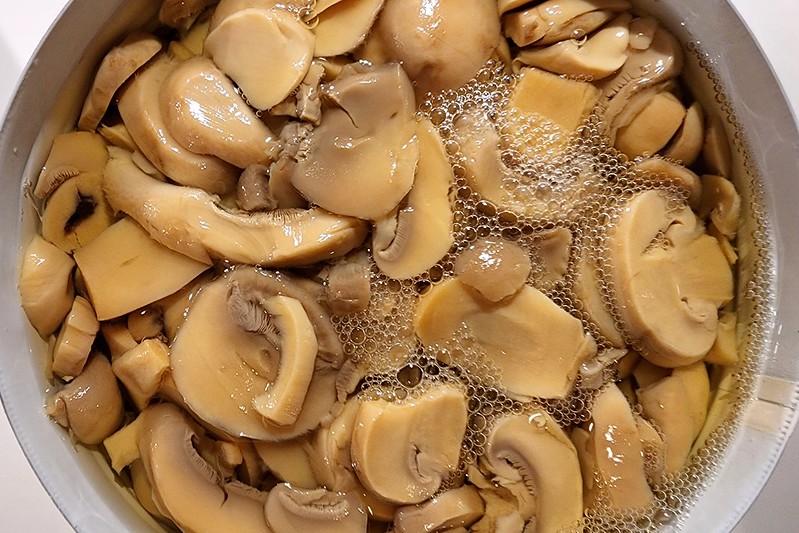
Canned Mushrooms
A 3.5-ounce can of mushrooms containing 19 maggots and 74 mites will still be approved by the FDA.
Apparently, mealworms and other insect larva provide more protein than chicken or salmon.
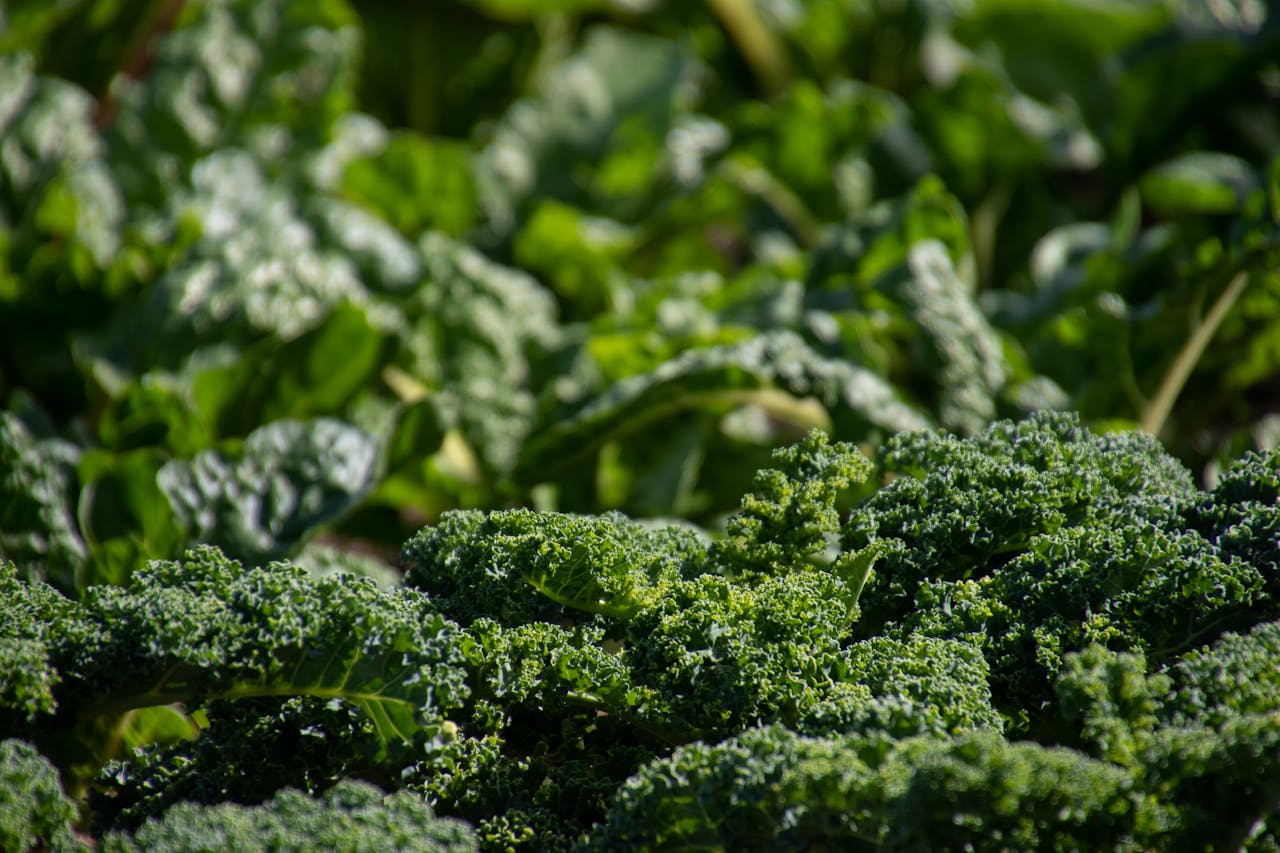
Frozen Broccoli
Aphids—the tiny bugs that are no bigger than 2-5 millimeters—make up about 10% of the world’s most consumed insects.
They’re notorious for infesting gardens and crop fields that produce broccoli, and so the FDA allows up to 60 aphids per 100 grams of frozen broccoli.
Canned Tomatoes
Before the FDA considered a can of tomatoes tainted, it must have more than 8 fly eggs or one maggot. Anything less than that is A-OK.

Fruit Juice
The FDA says canned fruit juices can safely contain pieces of one maggot for every 250-millimeter sample.
You’ll find everything from snails to mites in fruit juice.

Ground Pepper
Salt and Pepper are generously used all over the globe. And most people are unaware that there can be up to 475 bug parts in 50 grams (a quarter cup) of ground pepper and it still be considered safe to eat.
Cinnamon
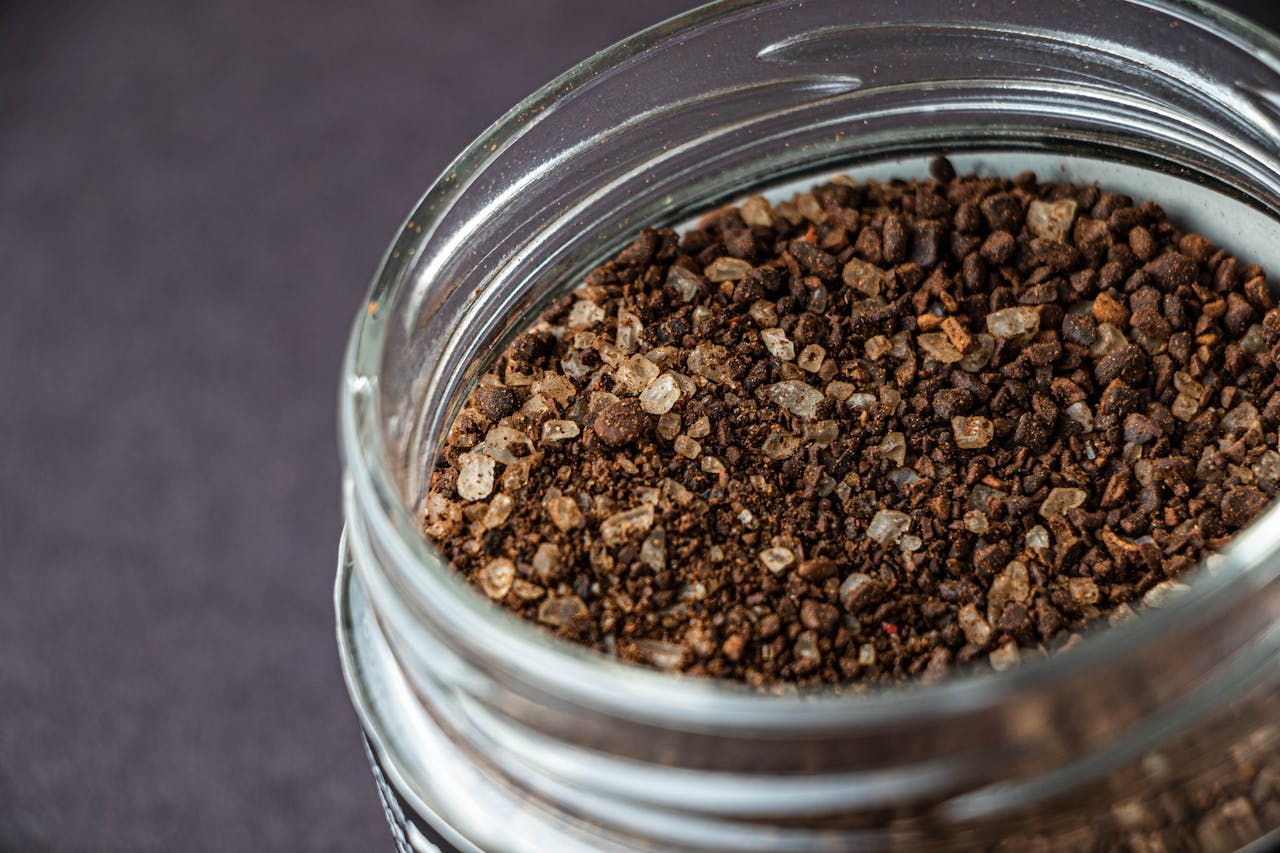
Cinnamon is known for many health benefits, from weight loss to disease management. Maybe it’s the secret ingredient of 400 insect fragments per 50 grams (a quarter cup) that’s making it so good for you.

Sauerkraut
According to FDA guidelines, just a few helpings of sauerkraut can contain up to 50 thrips—a small, stick-like bug.

Berries
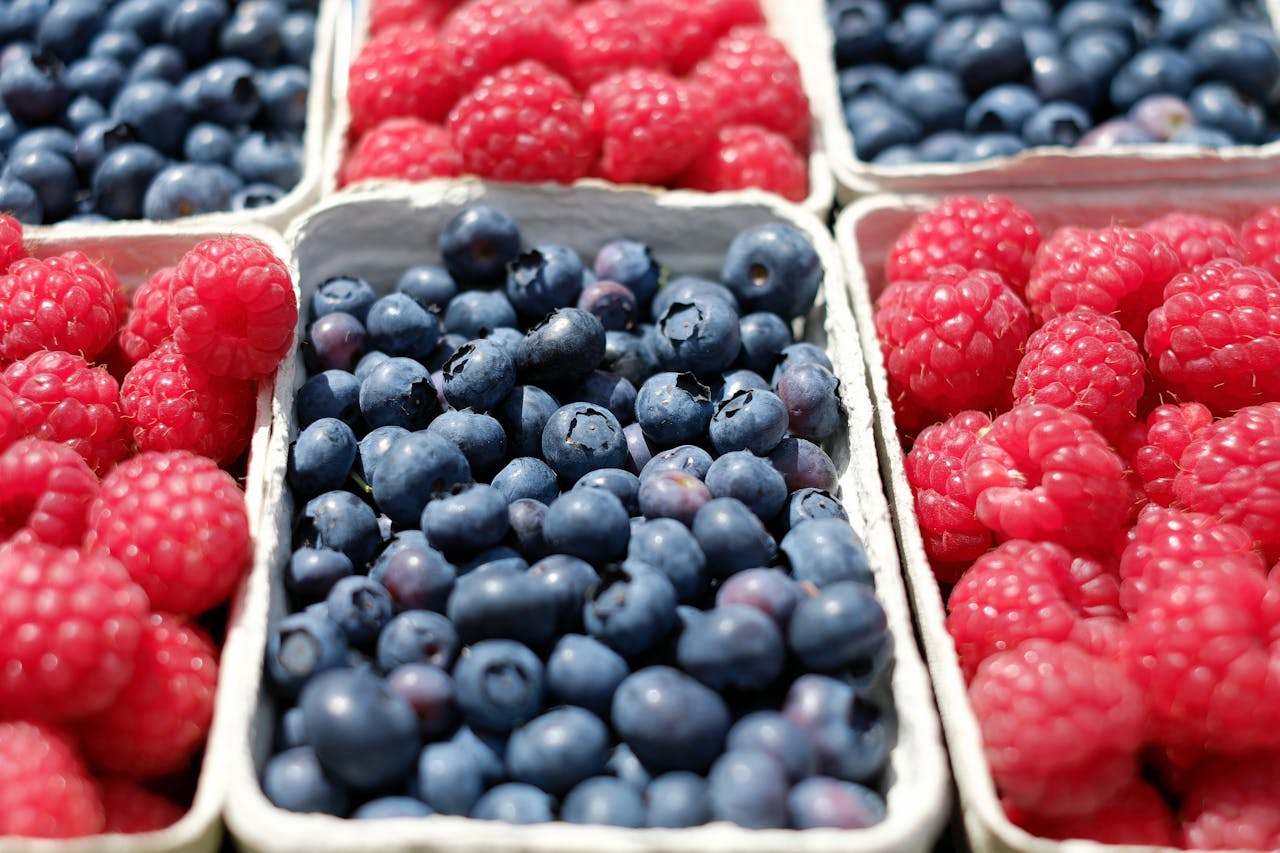
Raspberries and blueberries are sweet treats for insects like worms and beetles. The FDA knows this and allows up to four larvae or 10 whole insects per 500 grams of berries—about 2.5 cups.
Bugs in your berries is common whether they’re fresh, frozen, or canned.
Red Dye
Natural red dye 4, also known as carmine or cochineal dye is a colorant made from crushing cochineal bugs to create a red dye common in many products, such as: lipstick, blush, coloring in crab, ice cream, and red velvet food items.

Silk
Silk products—like pillowcases, clothing, and curtains—are made from the secretion of silkworms. Silkworms are an early stage of the Bobyx mori moth.
It takes about 2,500 cocoons to make one pound of silk.

Furniture
Wood furnishings, known as shellac, is actually named for the bug that it’s made from: Laccifer lacca. Much like silk, these products are made from the secretions of bugs.
 Vladimir Prusakov, Shutterstock
Medication
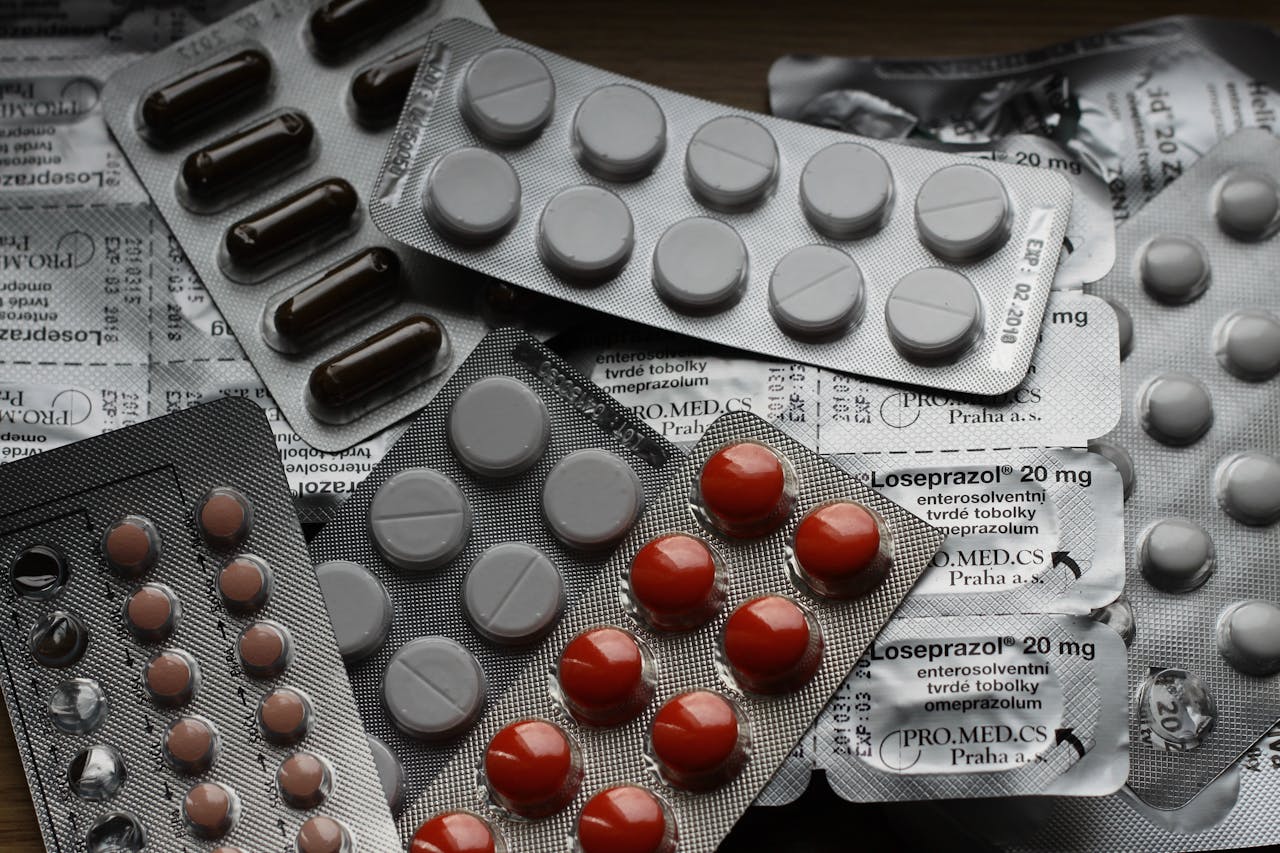
The clear topcoat on pills is made the same way, through secretions. The insect feeds on sap and turns it into a secretion left on tree leaves.
The leaves are collected and ground up. The manufacturer then rehydrates the powder with ethyl alcohol to create the coating for these products.
Edible Insect Products Made on Purpose
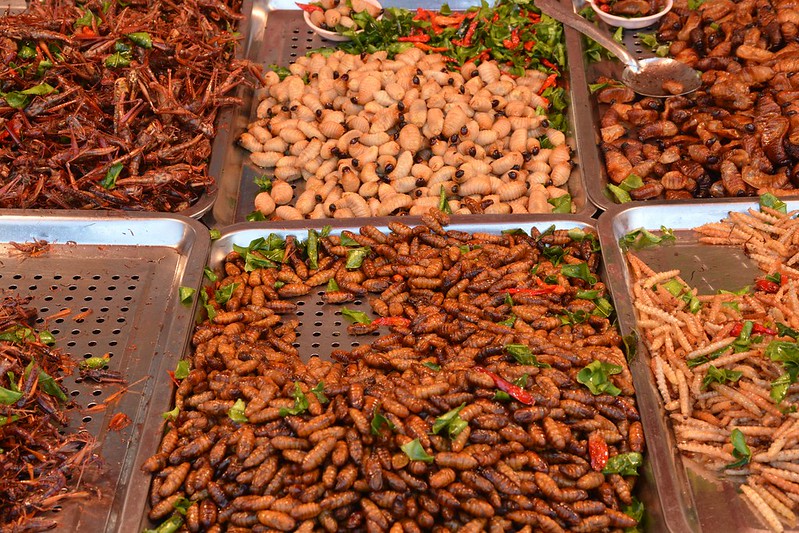
There are companies online and around the world that sell edible insect products. These items range from snacks and candy to condiments and protein bars.
Specifically, protein bars, condiments, honey, suckers (lollipops), seasonings, chocolate bars, and more.

Insects for Protein
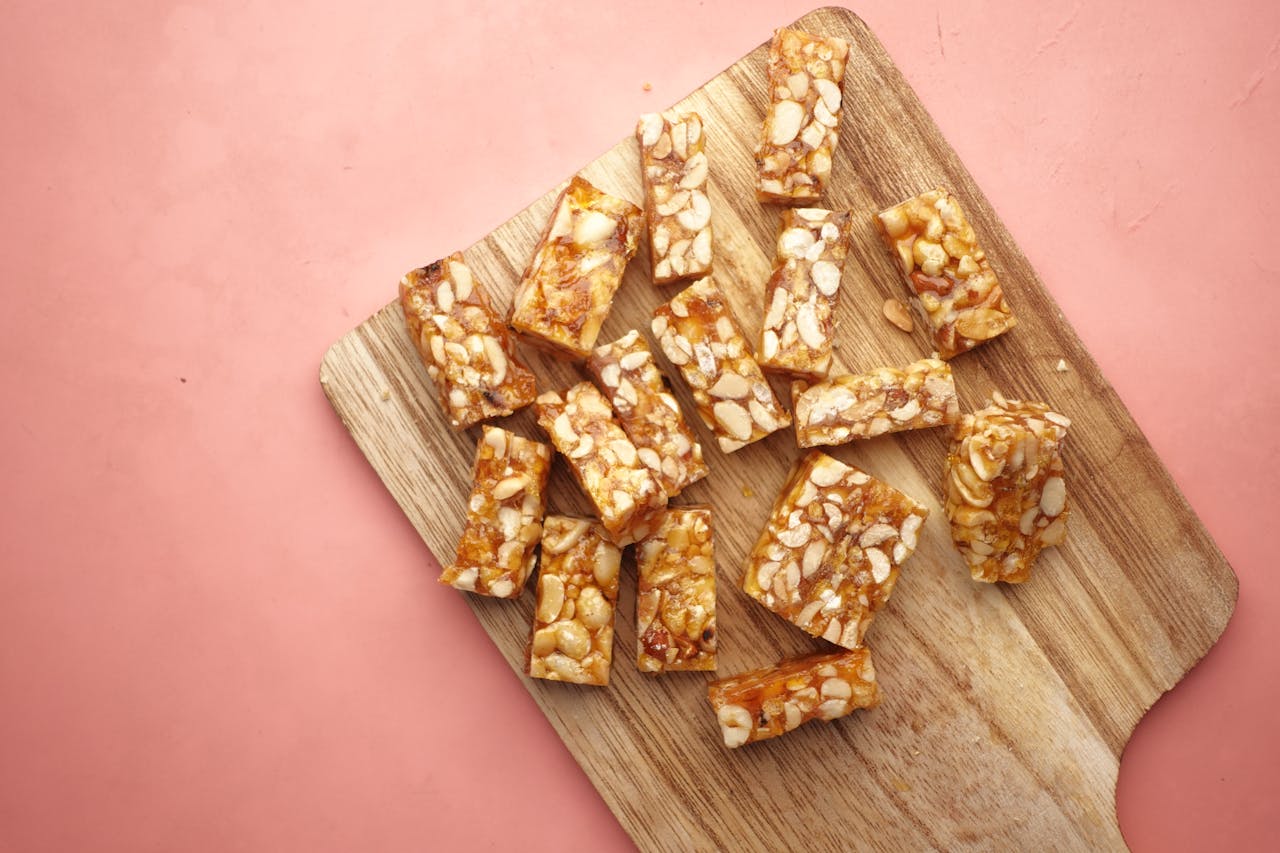
Edible insects are said to contain more crude protein compared with conventional meat, making them an excellent source of protein.
The most popular bugs used for protein snacks are crickets.
Other Uses
Other insect-based products include: cosmetics, supplements, animal feed, pet food, and personal care products.

Bottom Line
Basically, insects are everywhere, and our food is no exception. Given the vast number of bugs lurking around during the entire process from harvest to sale, the FDA must allow for a certain percentage of insect infestation in our food products.

It’s Okay
Most times consumers are completely unaware as the bug fragments are virtually impossible to see.
But the good news is, it’s okay. Most insects are harmless to our health, especially in the minuscule amount we actually consume.
 Panchenko Vladimir, Shutterstock