Featured Article

VIEW ARTICLE

January 13, 2026 Noone


TRENDING

Reservation - Fb

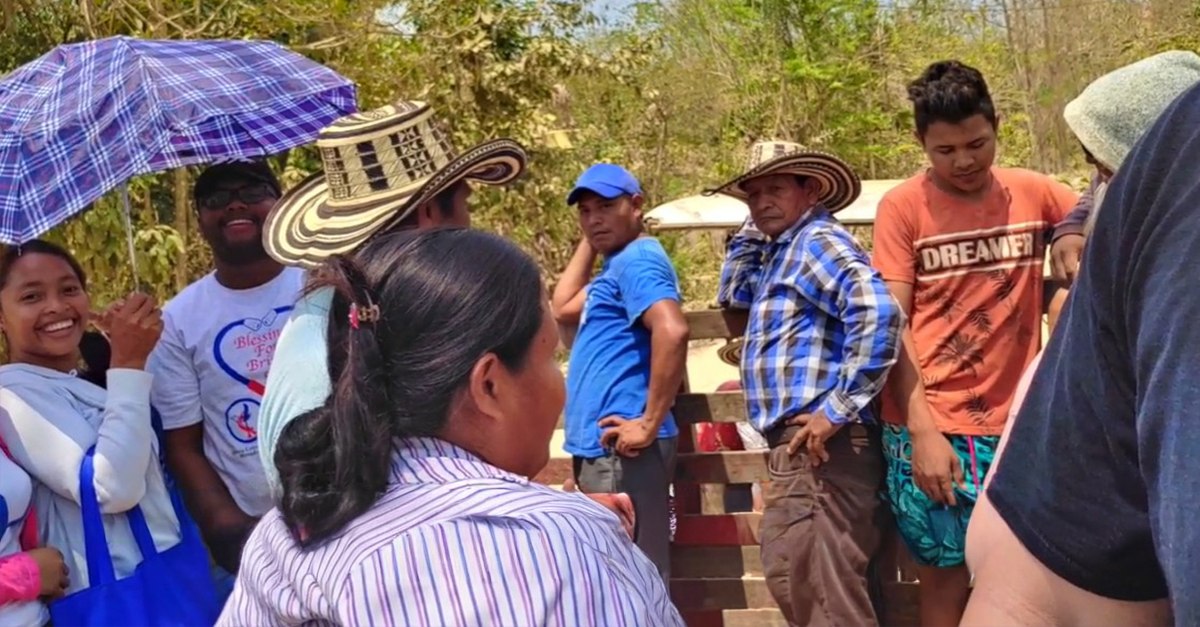
America's Remaining Major Native American Reservations

Across the United States, vast reservation lands hold stories rarely told in full. These places reflect sovereignty, survival, and ongoing influence in law and culture. Understanding their scale and significance explains how Native nations continue to impact modern America.
January 13, 2026 Marlon Wright
Ice Age Humans - Fb

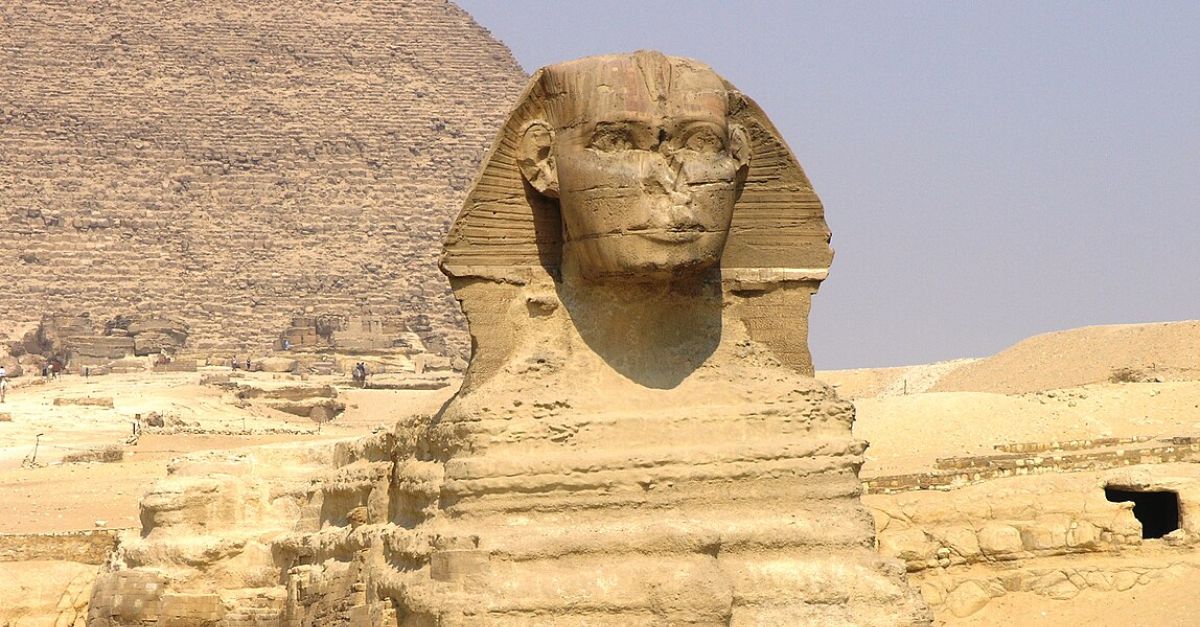
Forget the Pyramids, this Greek cave wall is believed to be five times older.

You think pyramids are ancient? A stone wall hidden inside a Greek cave makes them look like yesterday's news. Ice Age humans stacked these rocks when survival meant innovation, creating something that would outlast empires.
January 13, 2026 Marlon Wright
Gettyimages - 2230470527, EGYPT-ARCHAEOLOGY Divers celebrate as a crane pulls an artifact from the waters at Abu Qir bay in Alexandria on August 21, 2025, as part of an event organized by the Ministry of Tourism and Antiquities to recover sunken antiquities.

Underwater archaeologists found statues, coins, and ship timbers from Abu Qir Bay near Alexandria, strengthening evidence of sunken Ptolemaic ports.

Abu Qir Bay is now known as one of the richest underwater archaeological zones in the world, hiding the remains of entire ancient cities. Recent underwater excavations have brought statues, coins, pottery, and ship timbers back into the light, reinforcing long-held theories that major Ptolemaic ports once thrived here before being swallowed by the sea.
January 13, 2026 Quinn Mercer
Archaeologist in Milan subway

Milan had to stop work on a subway line when workers found a Roman grain warehouse, with inscriptions hinting at trade routes across the Po Valley.

Construction crews building a new section of Milan’s subway line have uncovered an unexpected window into the city’s ancient past. While lowering deep concrete tunnels beneath the modern streets, archaeologists uncovered the remains of a Roman horreum—a large warehouse used in antiquity for storing grain and other essential goods. Facilities like these served a key function in the economy of the Roman Empire, securing and distributing food supplies and commodities to urban centers. The discovery in Milan, ancient Mediolanum, offers new evidence of how this northern Italian hub was connected to broader trade networks, including routes across the fertile Po Valley that linked communities and markets throughout the empire.
January 13, 2026 Miles Brucker
Researcher at Dholavira

Archaeologists excavating shell middens in India found camps that predate the Harappan civilization by 5,000 years, rewriting the historical timeline.

When people think of ancient civilizations in South Asia, the Harappans often come to mind. But what if signs of human life in the region go back much further than that? In a remote corner of Gujarat, researchers have uncovered evidence that could push the timeline of early settlement back by thousands of years. These findings raise new questions about who lived there, how they survived, and what they left behind. As clues emerge from the rugged land near Dholavira, they hint at a chapter of prehistory that’s been hidden in plain sight. The story unfolding at Khadir Beyt isn’t just about archaeology—it’s about reshaping our understanding of early human history.
January 13, 2026 Miles Brucker
Piazza Venezia - Fb

Rome dug up the Piazza Venezia for a new metro line, and stumbled on layers of working-class homes from the early days of the Roman Empire.

In 2016, construction crews breaking ground for Rome's new Metro C line at Piazza Venezia expected delays. This is Rome, after all—you can't swing a pickaxe without hitting something ancient. But what emerged from beneath one of the city's most famous squares wasn't another marble emperor or forgotten temple. Instead, workers unearthed something far more intimate and historically precious: an entire neighborhood of ordinary Romans, frozen in time. The discovery revealed a dense warren of working-class homes, shops, and workshops dating back nearly two millennia, complete with the everyday detritus of ancient urban life. Charred beans still sat in cooking pots. Children's toys lay scattered across the floor. The site became an accidental time capsule of common people who history books typically ignore, and it immediately threw the metro project into chaos. What was supposed to be a straightforward transit expansion became one of the most significant archaeological finds in modern Roman history.
January 12, 2026 Marlon Wright