The Secrets Of Amazonian Rock Art
Hidden beneath layers of dense jungle in the Amazon rainforest is an ancient masterpiece—thousands of rock paintings created by the earliest humans to inhabit the region. What secrets do they hold?
A Window Into The Past
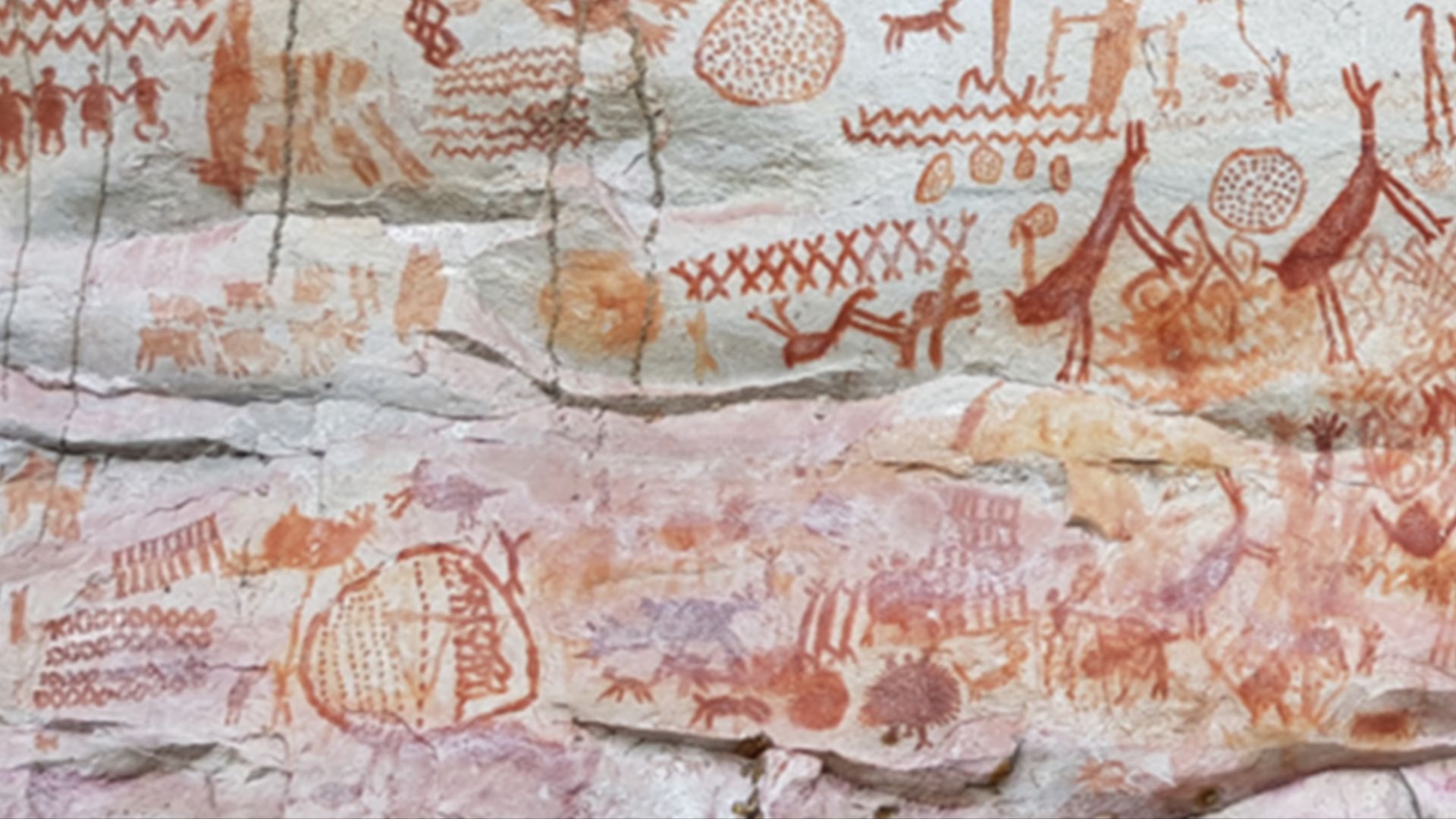
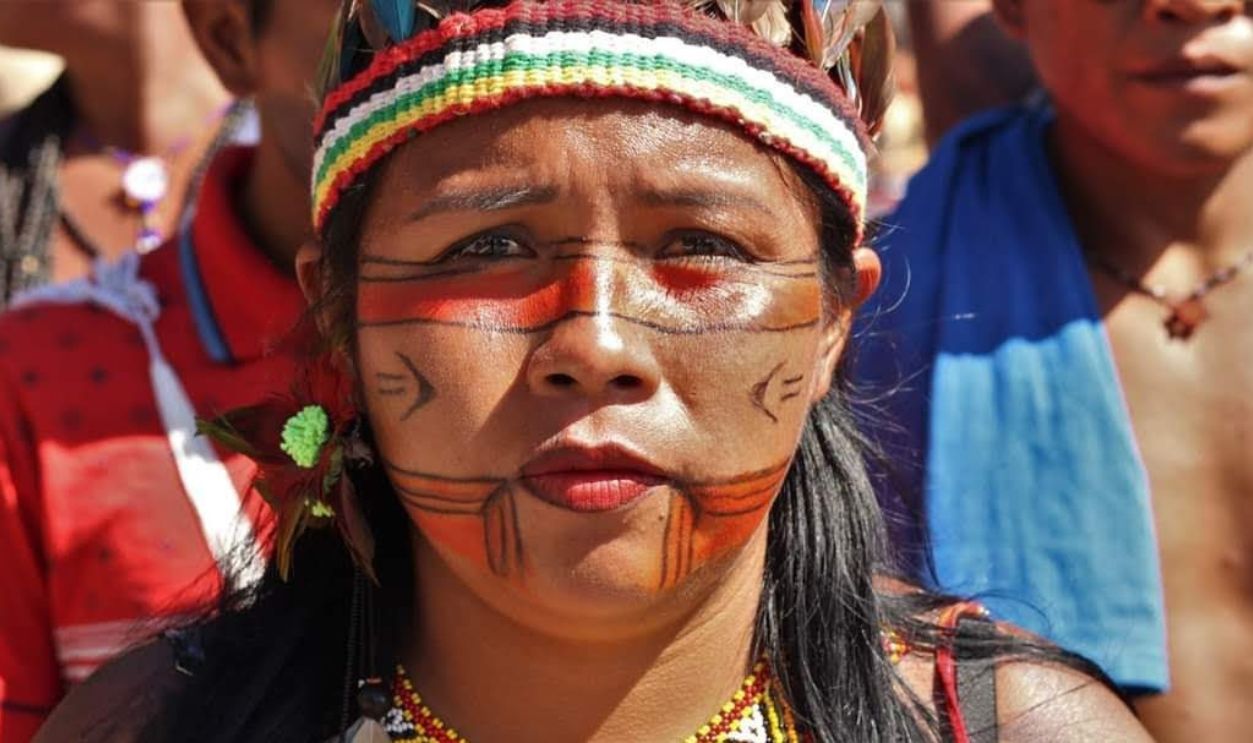
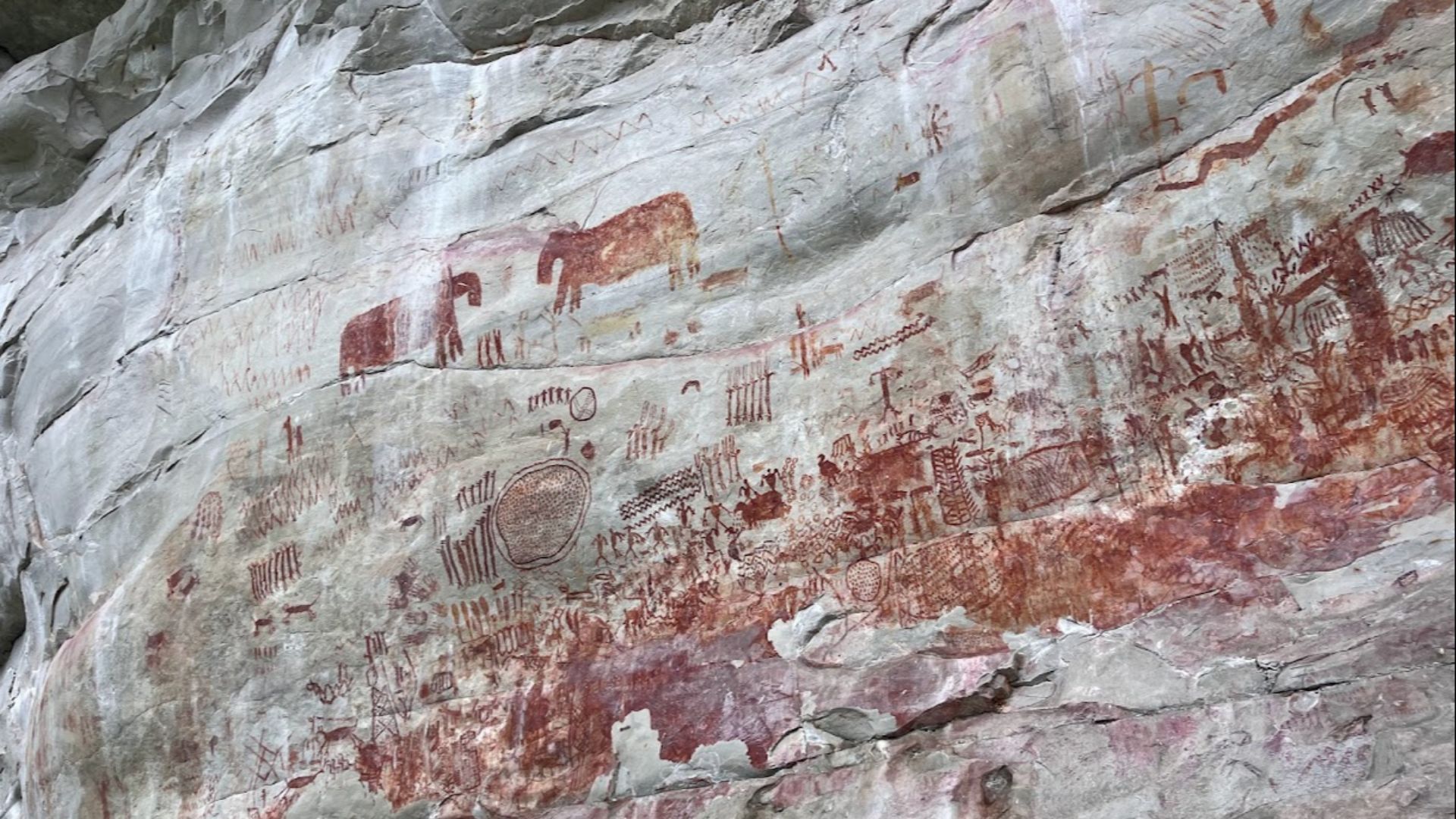
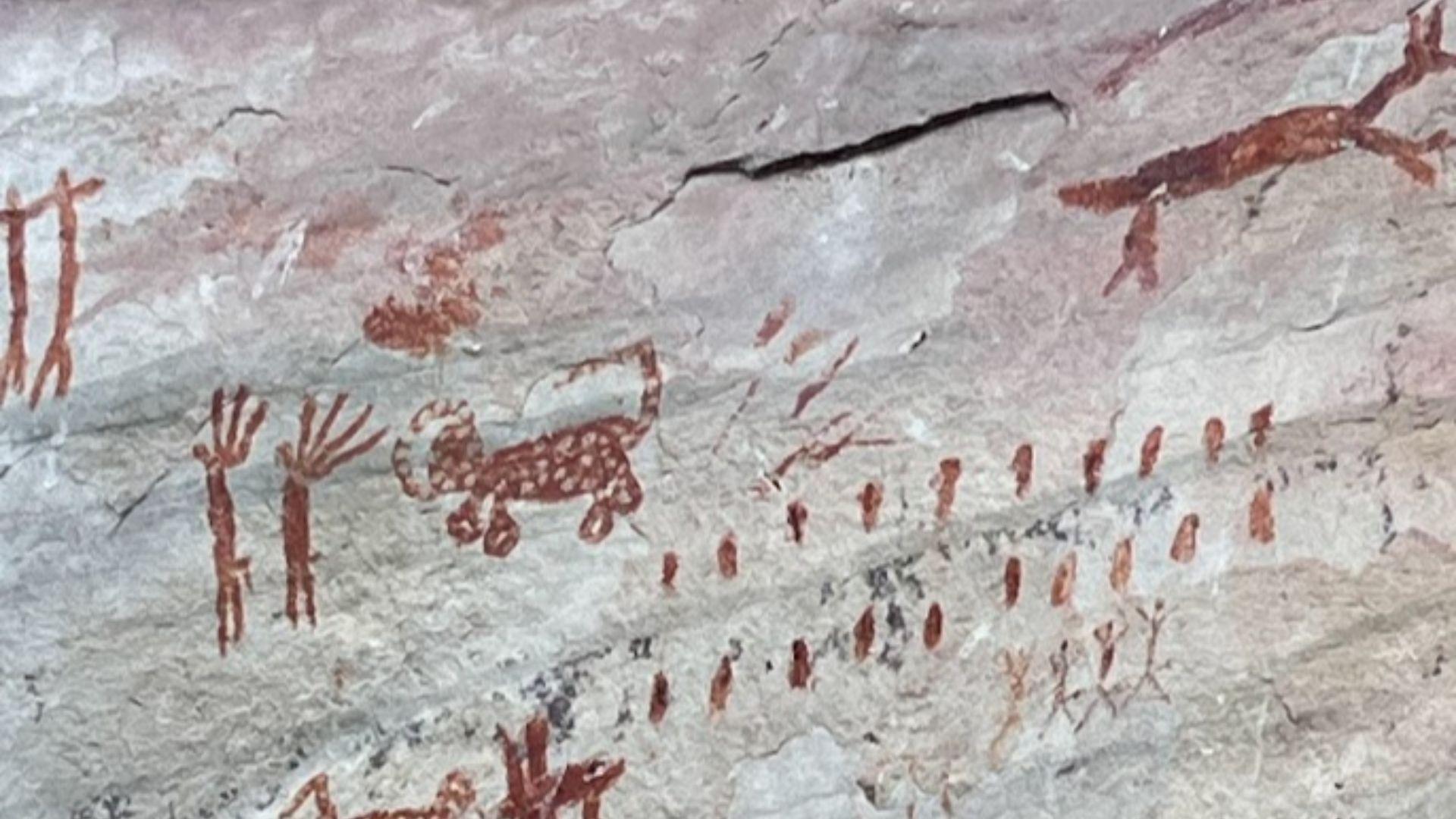
Deep within Colombia's Amazon rainforest lies the Serrania de la Lindosa, home to an extraordinary collection of ancient rock art. These vibrant paintings, created about 12,500 years ago, draw a unique picture of the lives and beliefs of early human settlers in the region.
 Erik.roger.fuller on Wikimedia
With Many Lost Secrets
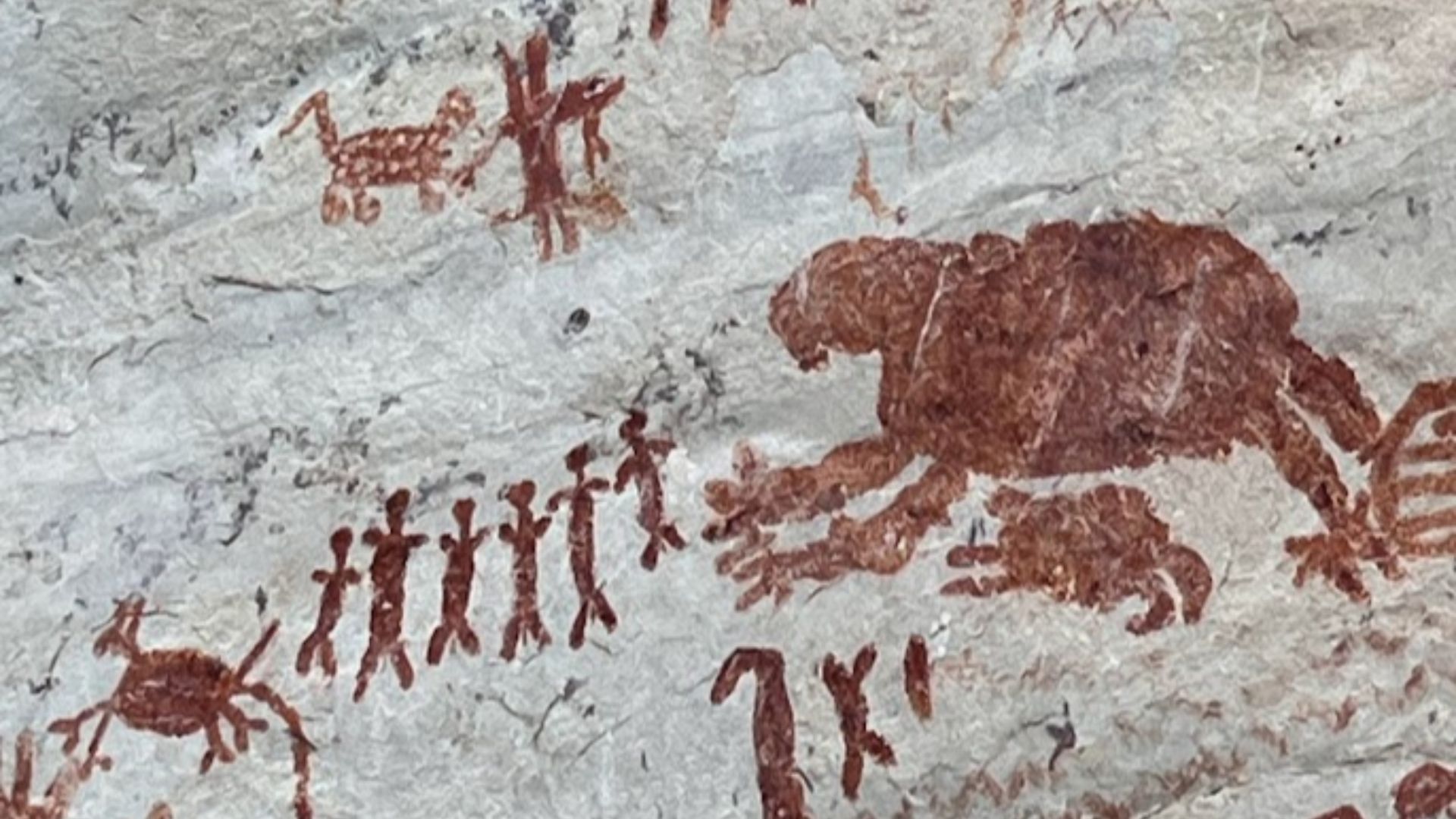
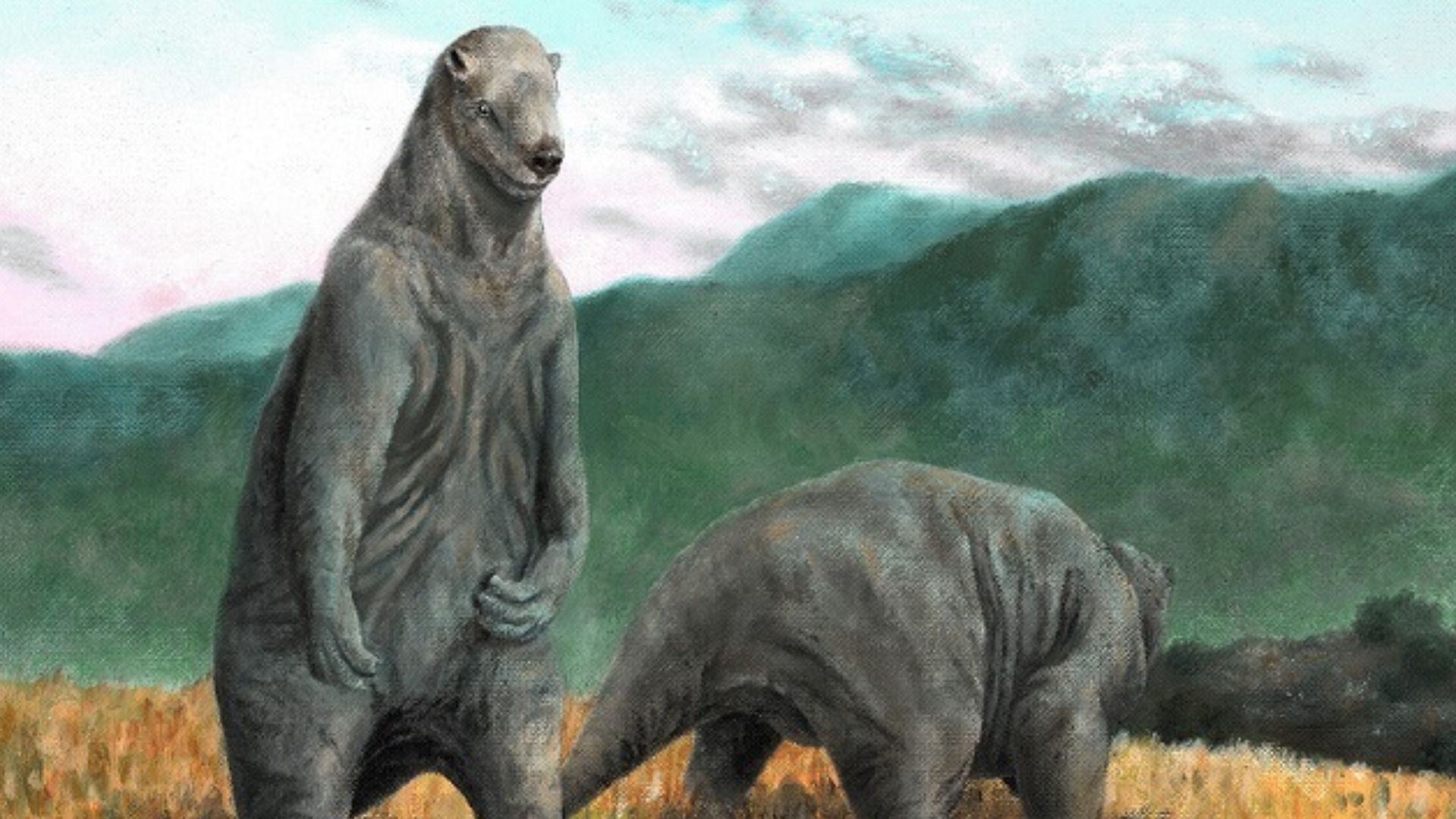
The artwork includes depictions of now-extinct megafauna, such as giant sloths and mastodons, and it provides invaluable insights into the prehistoric Amazon ecosystem. According to The Royal Society Publishing, such paintings show how these early settlers interacted with animals found in their environment.
 Erik.roger.fuller on Wikimedia
A Glimpse Into The Ice Age Amazon
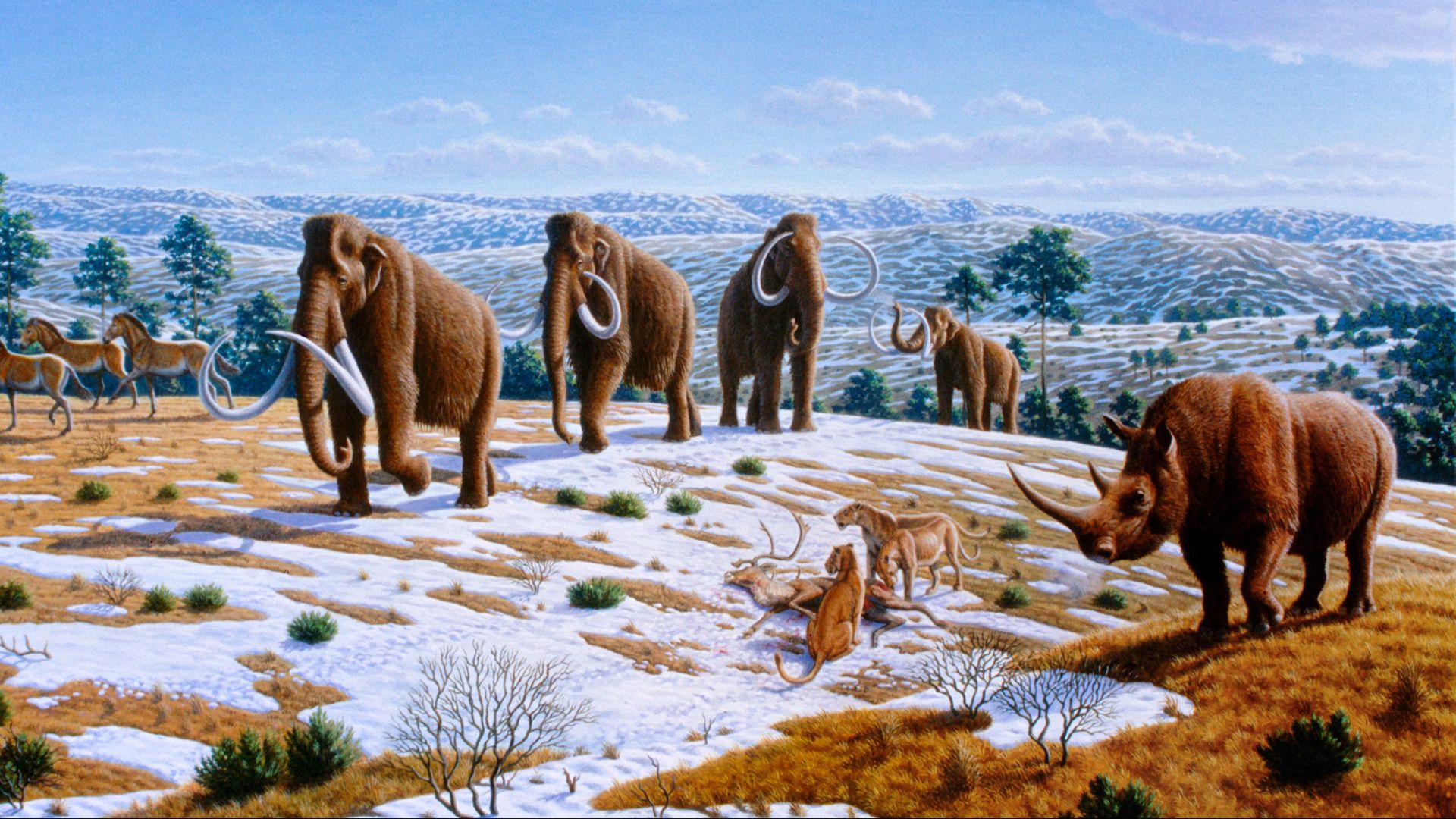
Early Amazonians coexisted with these creatures during the late Pleistocene epoch. These depictions suggest that the Amazon's ecosystem was once a mix of habitats supporting a wide range of species. The presence of such imagery provides valuable data on the region's climatic conditions and biodiversity during the Ice Age.
The Earliest Human Presence In The Amazon
Such discovery has reshaped our understanding of early human habitation in the Amazon. The rock art and other findings suggest that humans settled in the Amazon basin much earlier than previously believed, according to the University of Exeter.
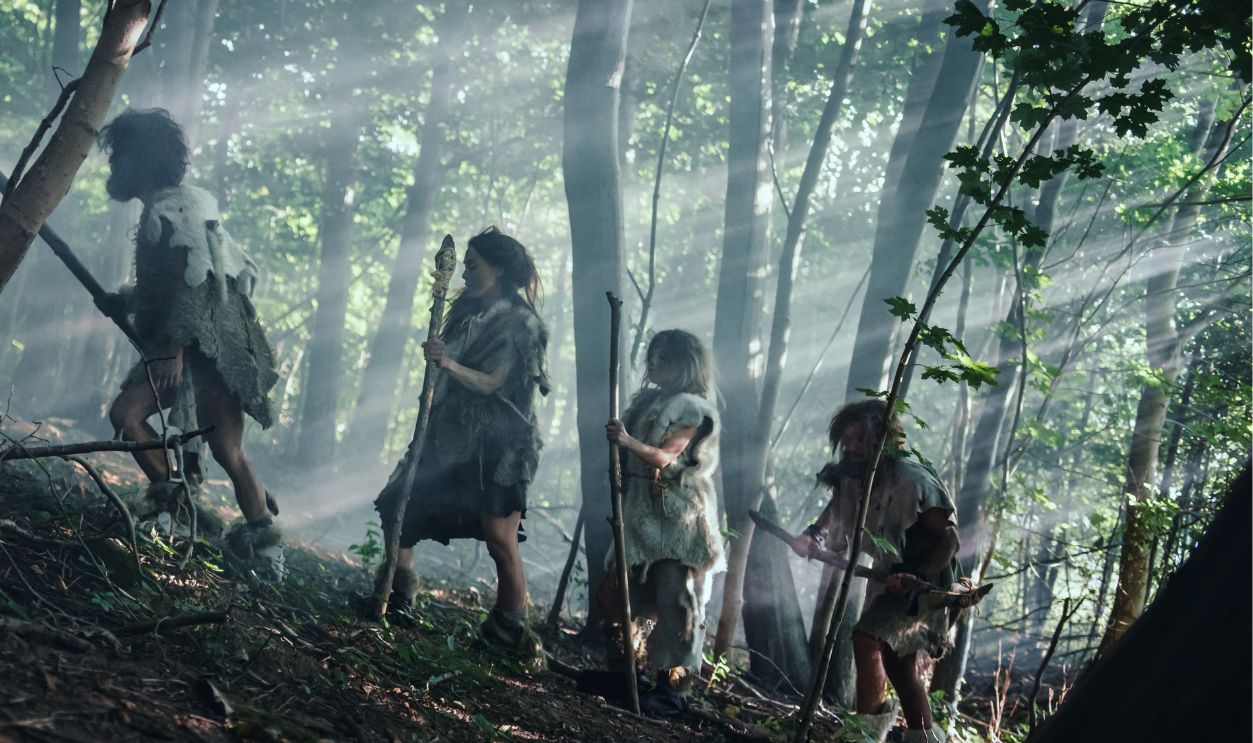
The Discovery Of Cerro Azul Rock Art
Cerro Azul, located within the Serrania de la Lindosa, gained international attention when archaeologists discovered its extensive rock art panels. First documented in the 19th century, these paintings remained relatively obscure until recent studies highlighted their significance.
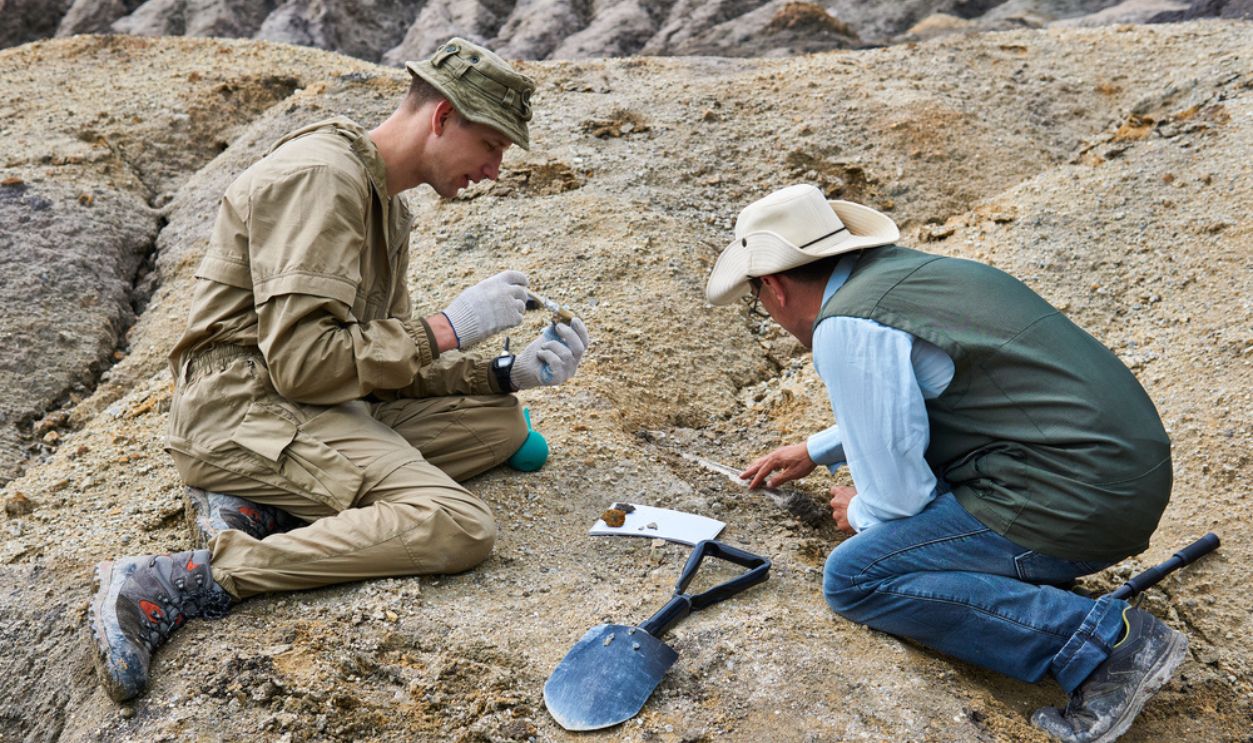 Evgeny Haritonov, Shutterstock
Its Hidden Meanings
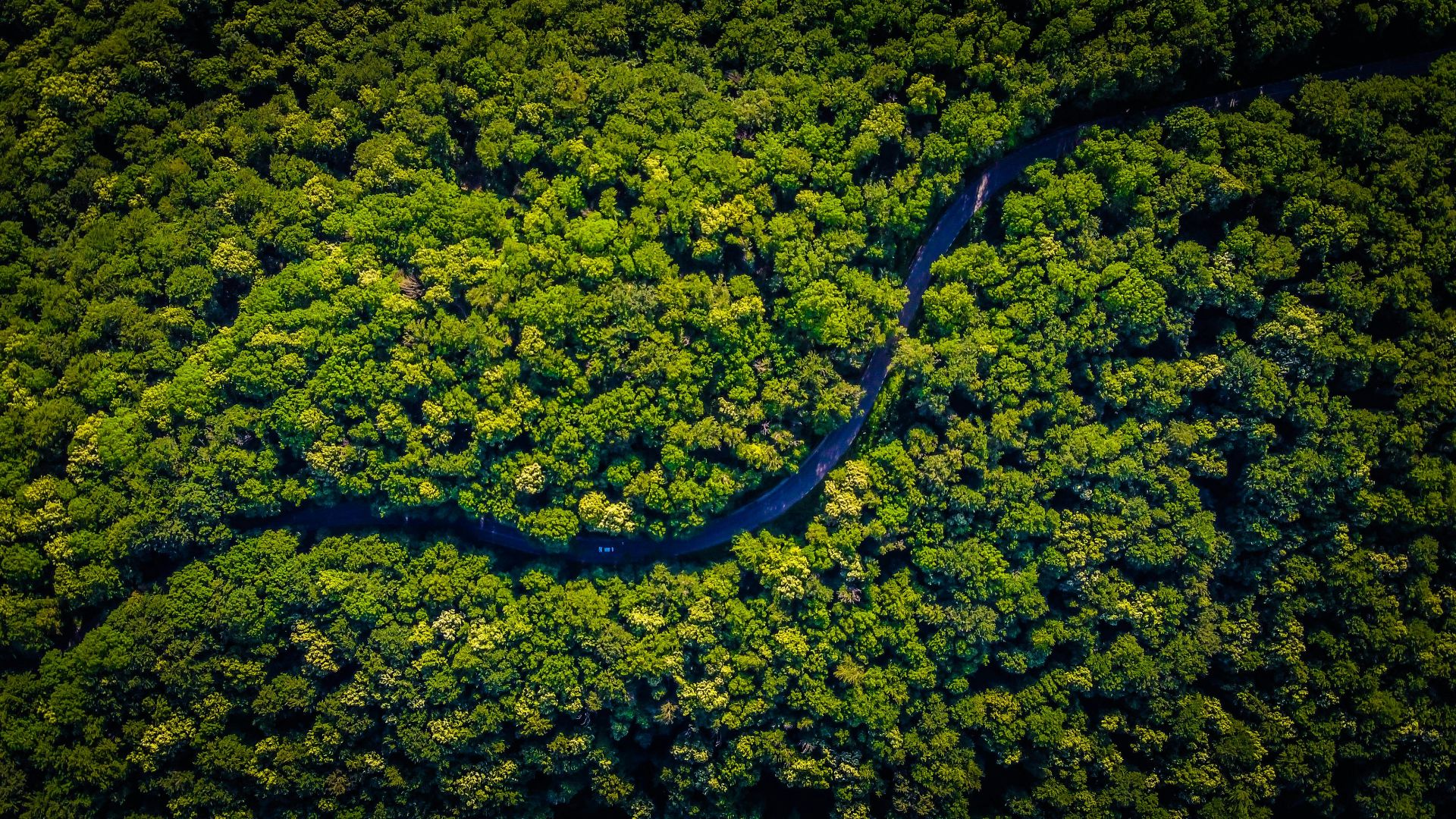
Despite its early discovery, the rock art remained hidden from mainstream archaeology for decades, partly due to the region's dense rainforest and historical conflicts. Recent expeditions have brought these masterpieces to light to reveal a vast collection of paintings stretching over eight miles.
Drawn In Ochre
Ochre is a natural earth pigment, and its vibrant hues make it ideal for creating enduring Amazonian rock paintings. Beyond aesthetics, ochre held cultural and possibly spiritual significance, as it symbolizes life and connection to the earth. Its widespread use underscores its importance in ritualistic and artistic expressions.

Thanks To Modern Science
Earlier studies didn’t describe all of the paintings, as some could only be reached after climbing. However, scientists have recently used drone photogrammetry and traditional photography to study the minor details of the drawings and discover their nature.

Shedding New Light
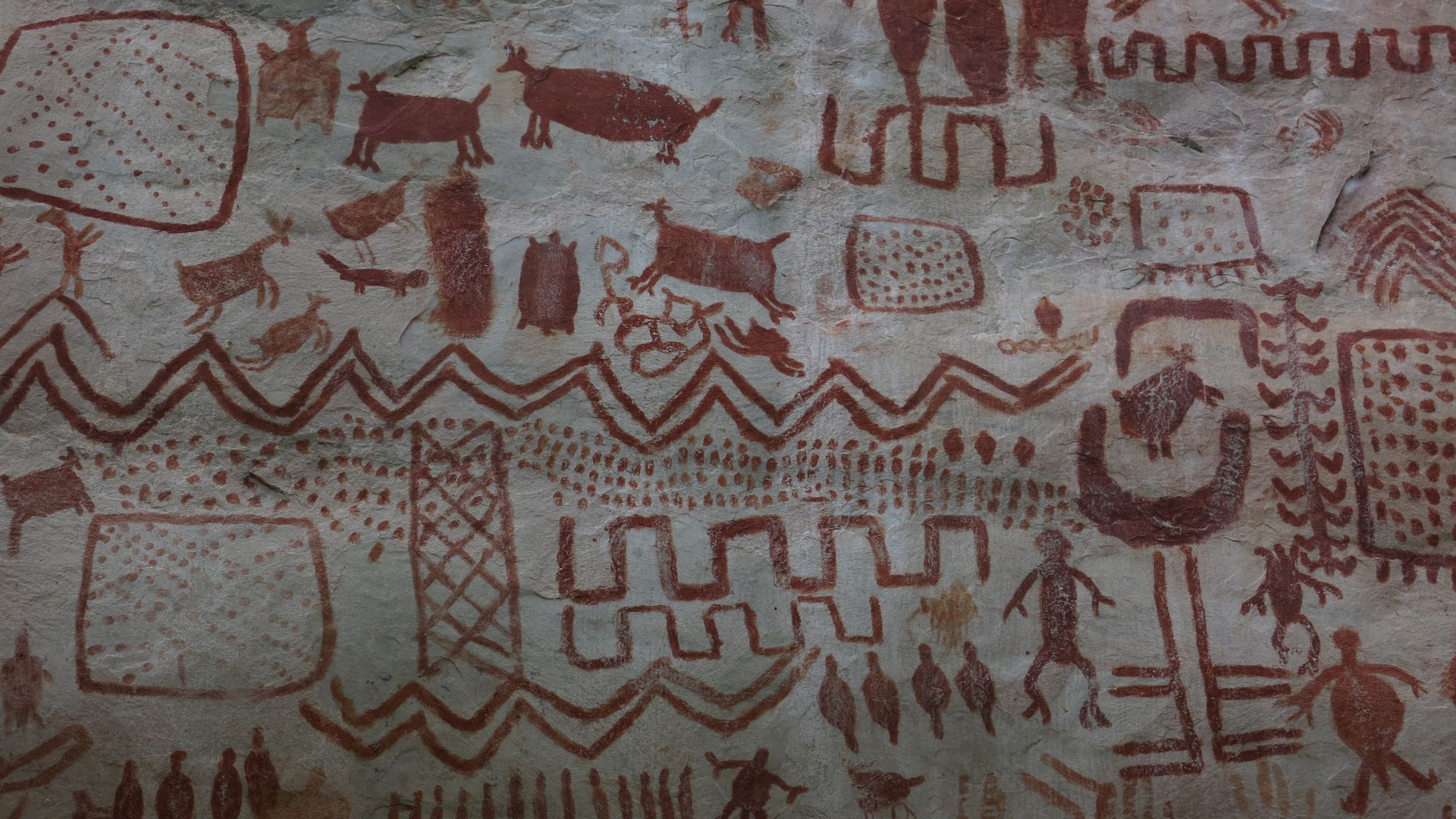
As part of the Last Journey Project by the University of Exeter, researchers have identified 3,223 images. Almost 58% of them are figurative, mostly depicting animals. According to Archaeology News Online Magazine, researchers were able to identify 22 species.
On Creatures Of The Past
Scientists believe that the animal imagery reflects the deep connection early inhabitants had with their environment. These ochre paintings vividly portray different terrestrial mammals and avian creatures to highlight the intricate relationships between humans and wildlife in prehistoric times.
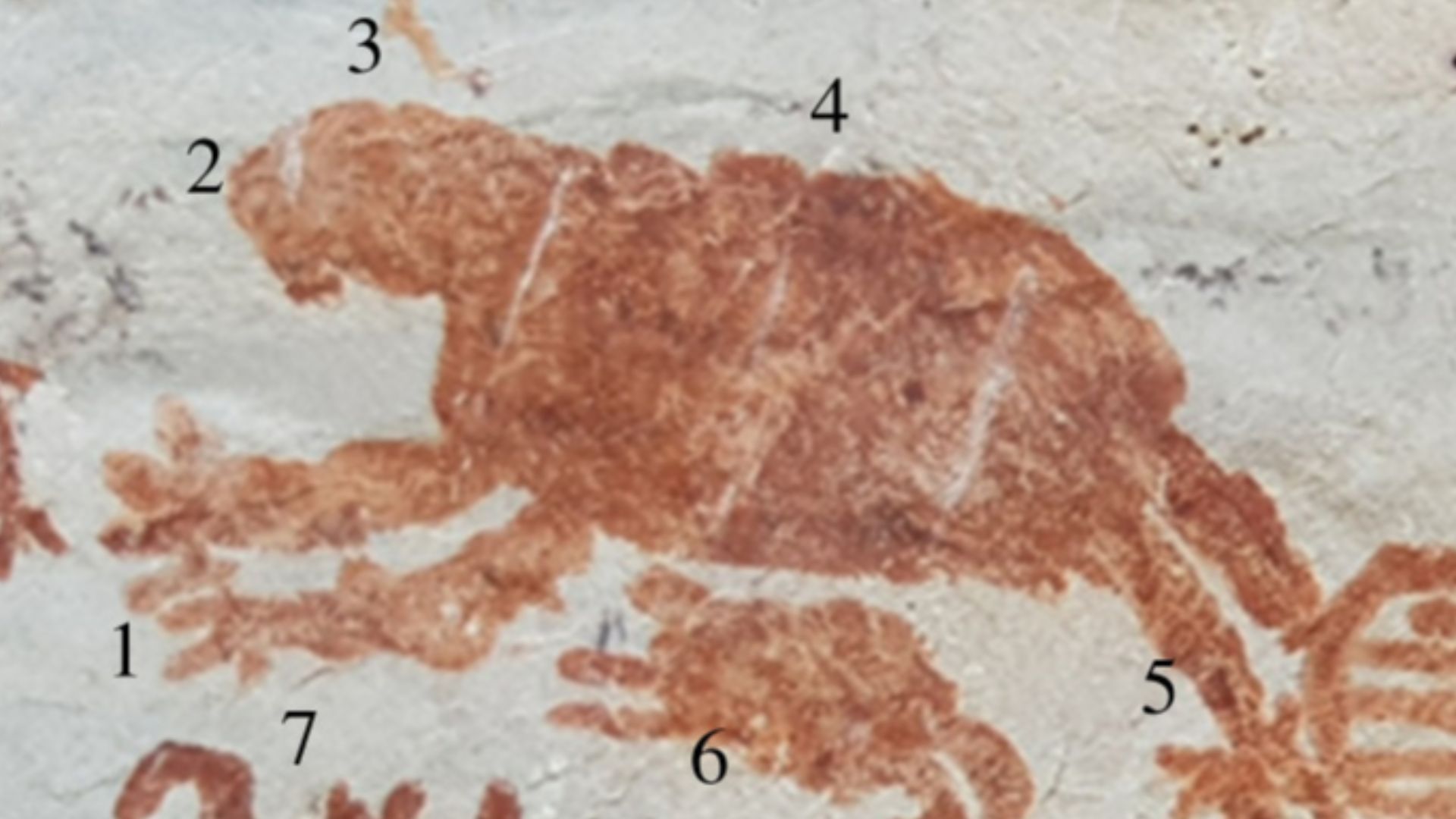
What Animals Did Ancient Amazonians Paint?
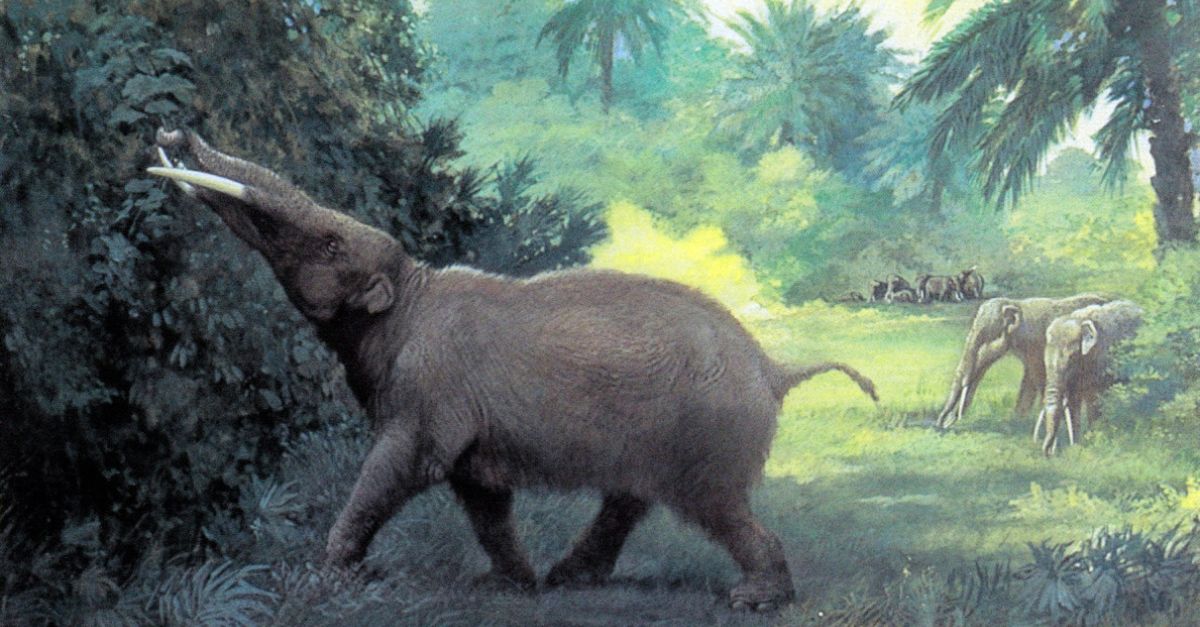
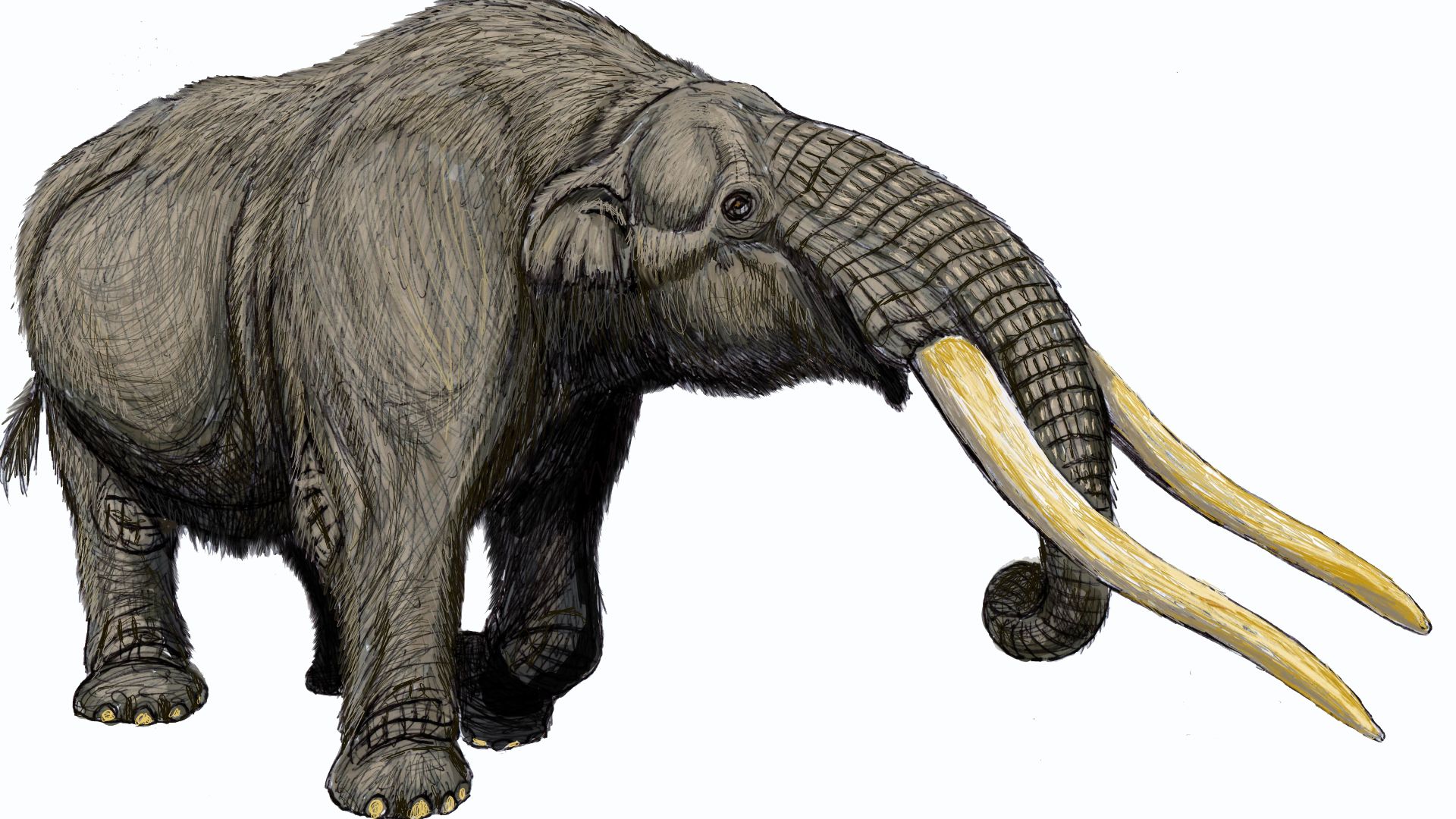
Early Amazonians adorned rock surfaces with images of various animals, including deer, birds, lizards, and turtles. Notably, some paintings depict now-extinct megafauna, such as giant sloths and gomphotheres, which offer a glimpse into the region's ancient biodiversity and the fauna that once roamed the Amazon.
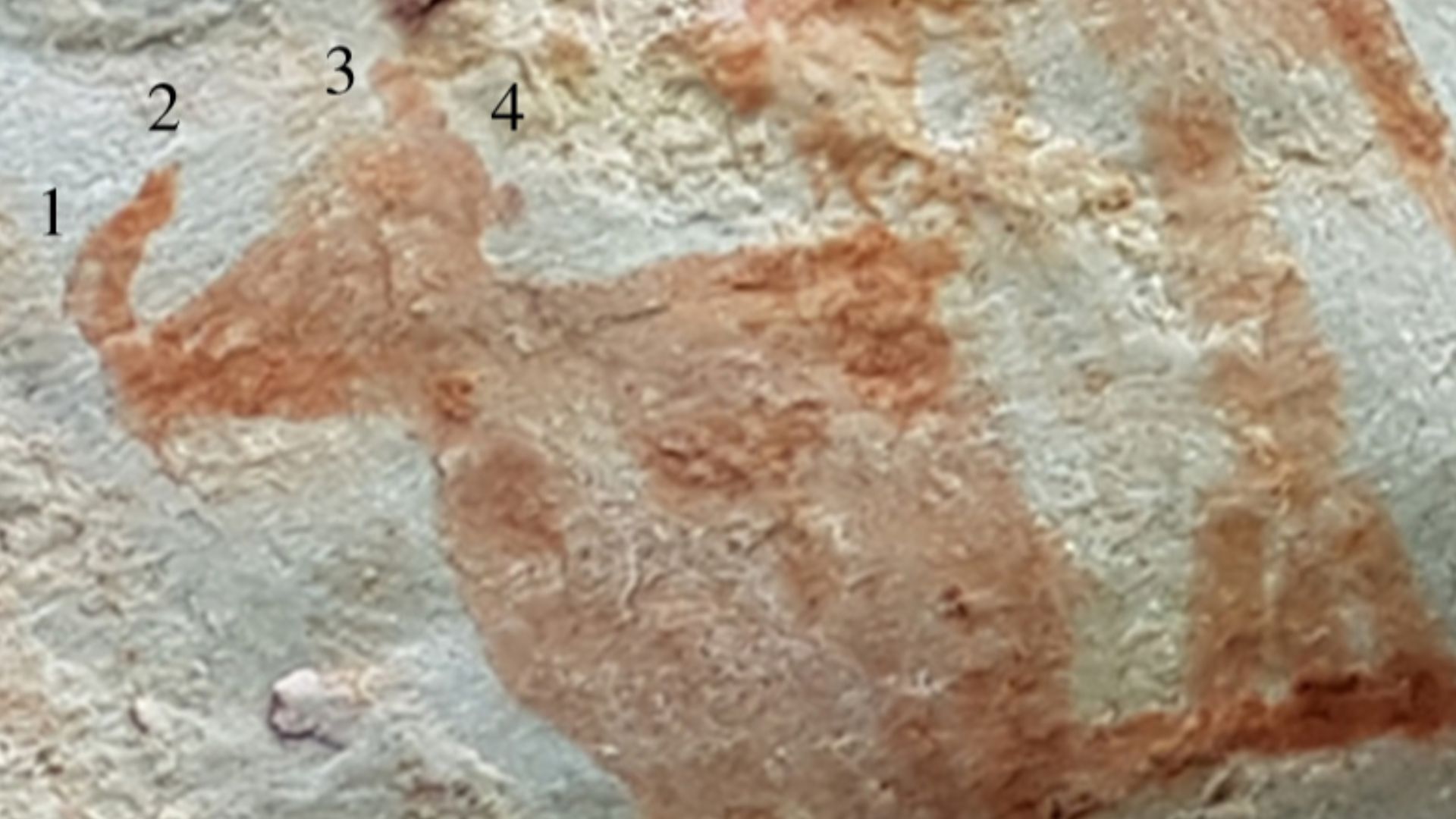
Why Some Extinct Species Appear In The Rock Paintings
The presence of extinct species in Amazonian rock art suggests that early inhabitants coexisted with these creatures over 12,000 years ago. These depictions provide valuable insights into the prehistoric ecosystem and the species that once thrived in the region, enriching our understanding of ancient Amazonian life.
Why Were Some Animals Left Out?
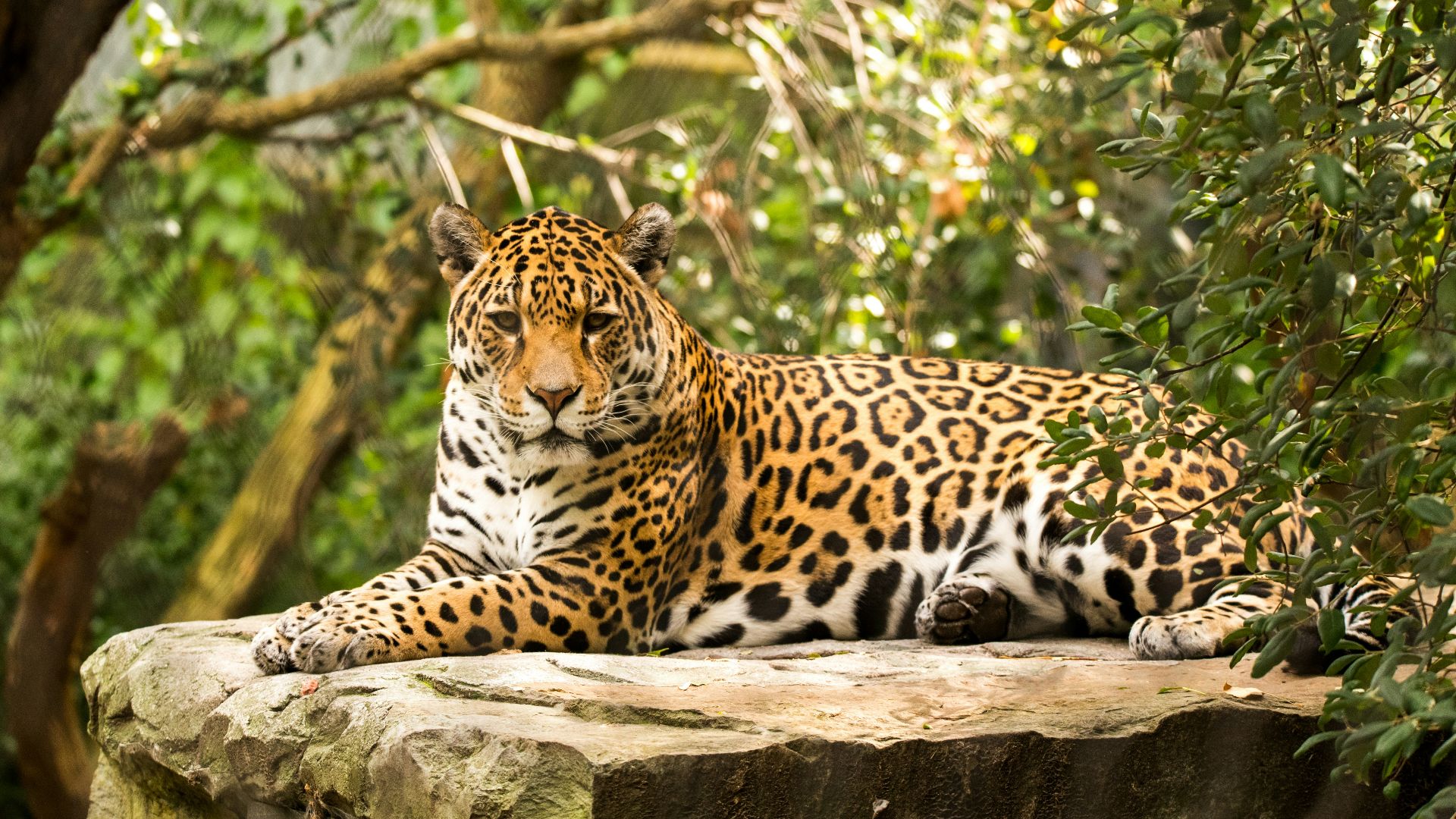
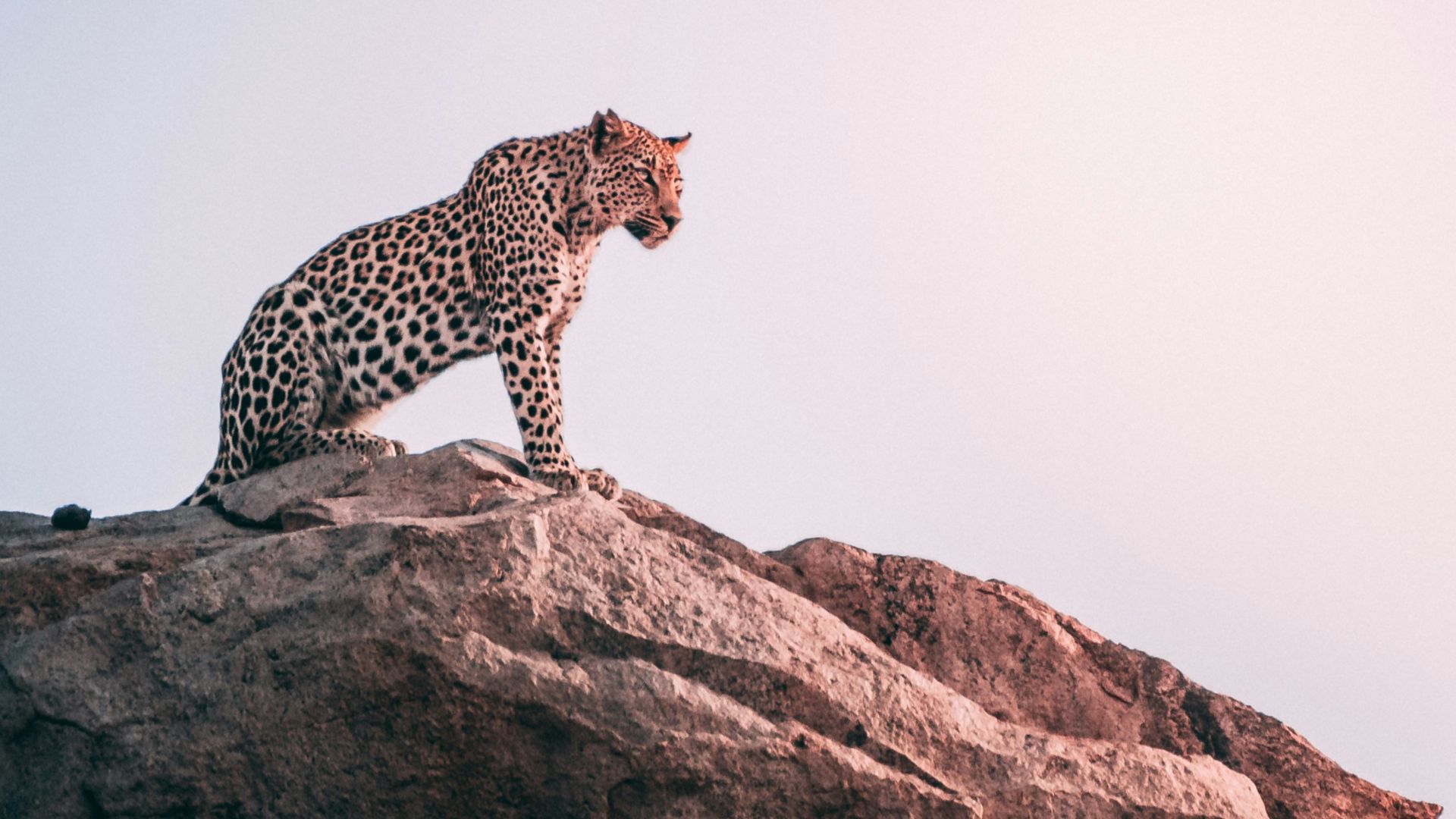
Despite the abundance of jaguars in the Amazon, their images are conspicuously scarce in the discovered rock art. This absence may indicate that early Amazonians had limited interactions with these formidable predators, possibly due to their elusive nature or cultural taboos surrounding their depiction.
Out Of Fear?
Some archaeologists suggest that these early societies did not merely represent animals found in their surroundings. For example, their decision not to represent jaguars and other big cats could indicate a belief that the drawings of these dangerous animals could invite their presence.
Contradictions With Dietary Remains
In nearby sites, animal bones were found to reveal a diet rich in fish, reptiles, and various mammals. Nevertheless, these animals were not heavily represented in the discovered rock art, which mostly highlighted creatures like deer and large predators.
Explaining The Discrepancy
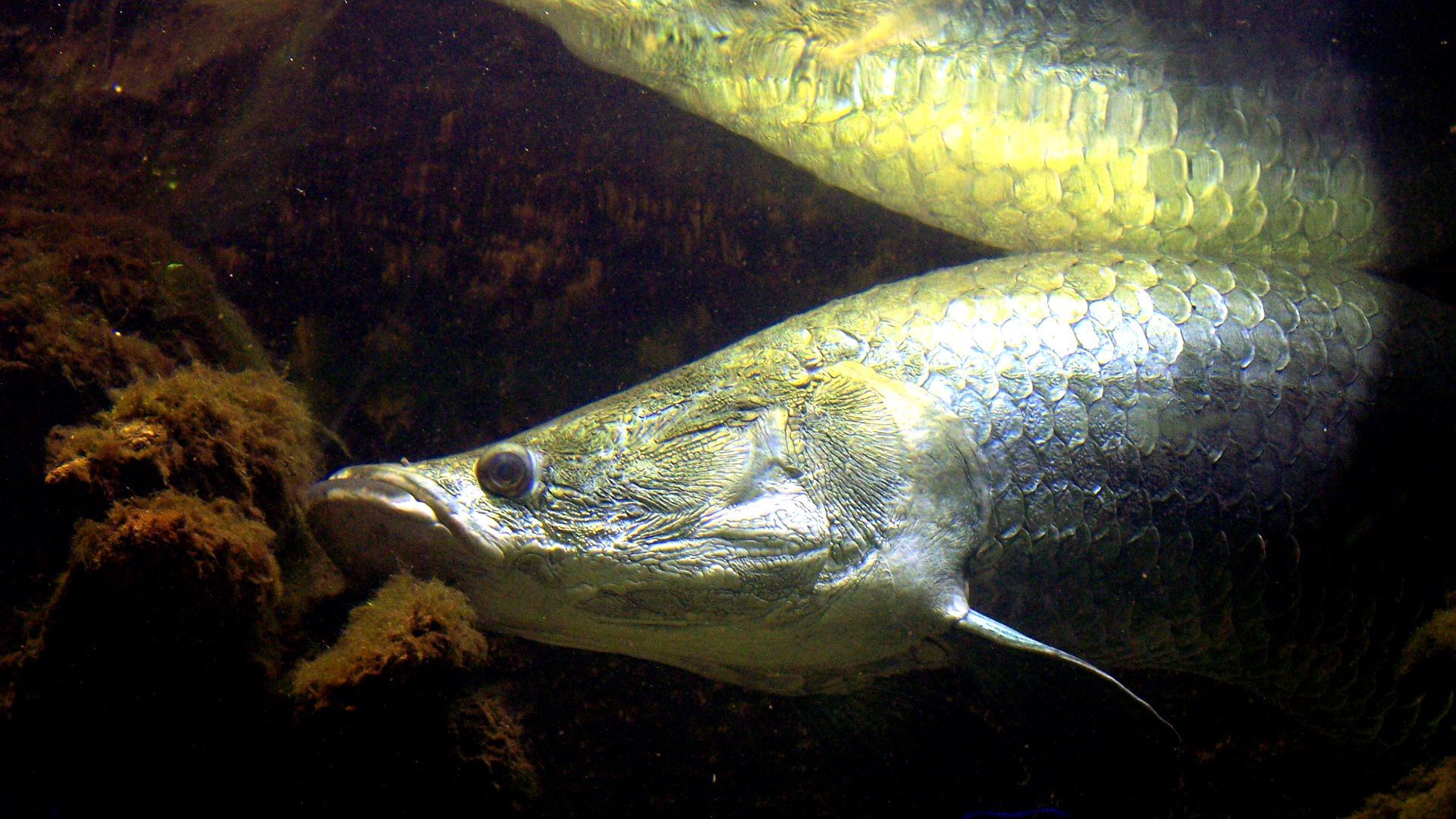
Archaeological evidence shows that fish constituted a significant part of the ancient Amazonian diet. However, fish are infrequently represented in rock art. This discrepancy suggests that the artwork was not merely a reflection of dietary practices but perhaps held symbolic or spiritual significance, according to Archaeology News Online Magazine.
How Ancient People Distinguished The Role Of Animals
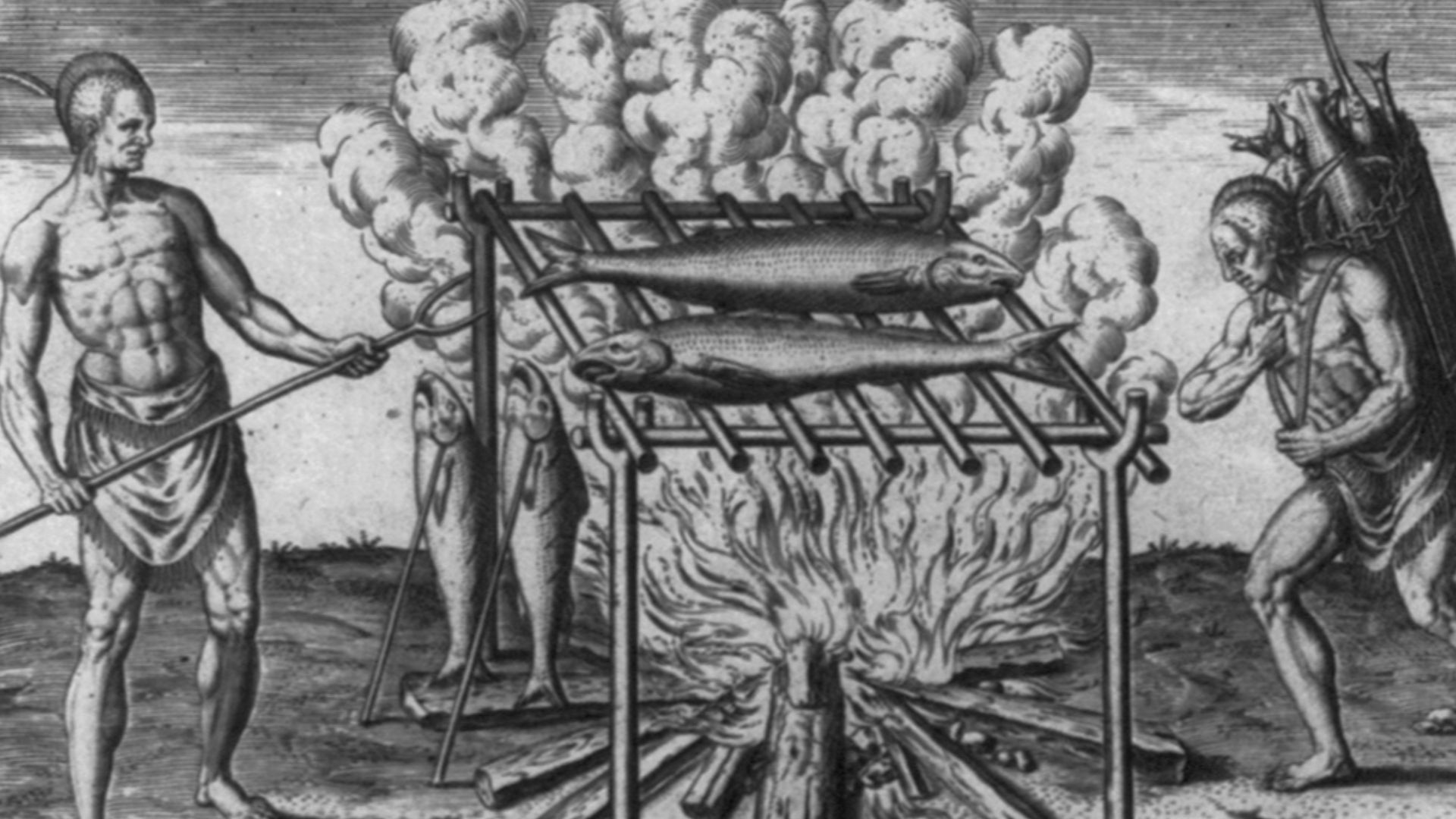
In many Amazonian cultures, animals represented spiritual entities or held symbolic meanings. Shamans often communicated with animal spirits, which blurred the lines between predator and prey. This duality influenced which animals were depicted in art and how they were treated in daily life.
The Role Of Ritual Specialists
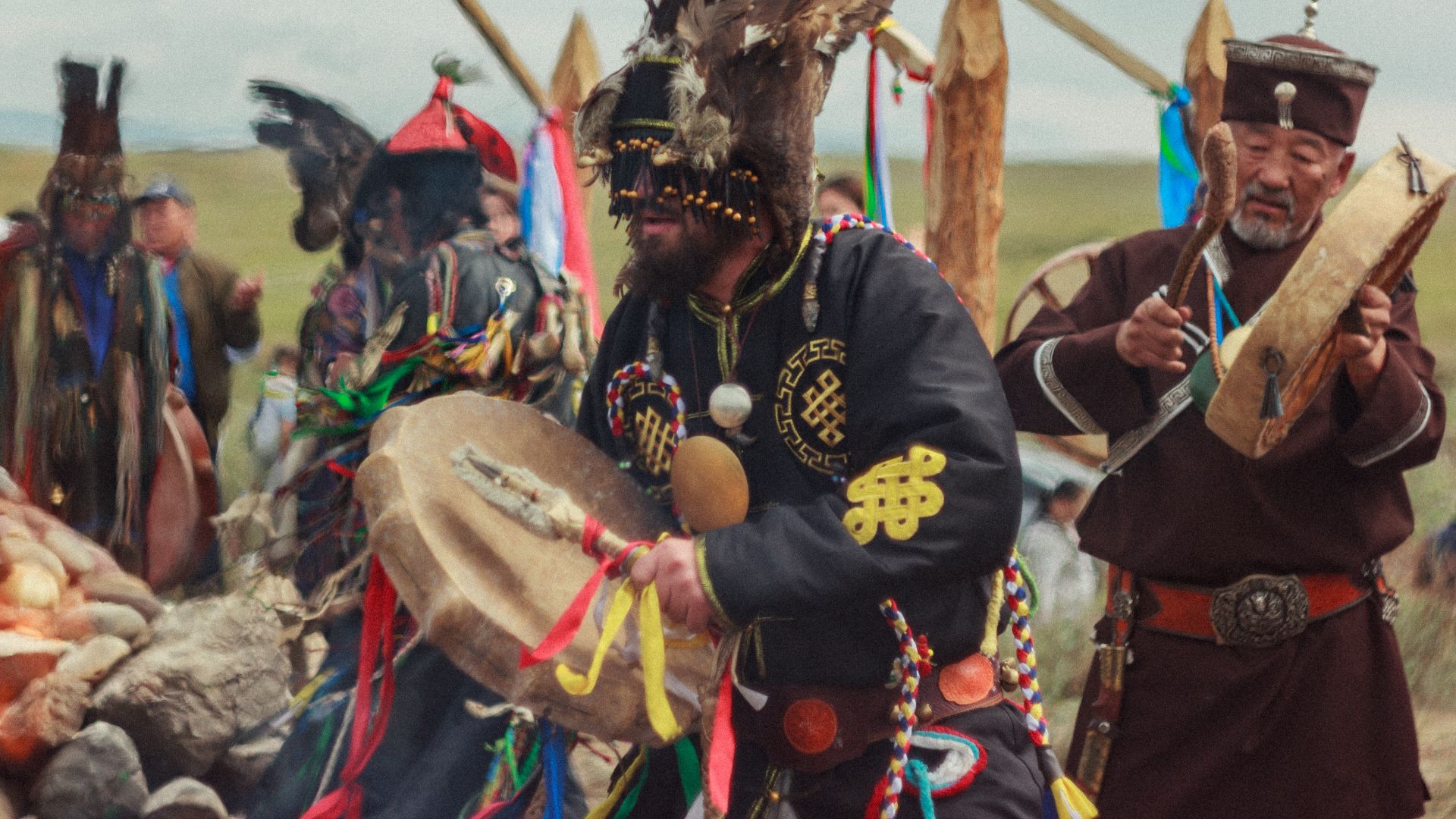
Ritual specialists played a pivotal role in mediating relationships between humans and animals in Amazonian societies. They were believed to possess the ability to communicate with animal spirits for successful hunts and maintaining ecological balance. Some scientists suggest that these paintings could be related to such practices.
And Transformations
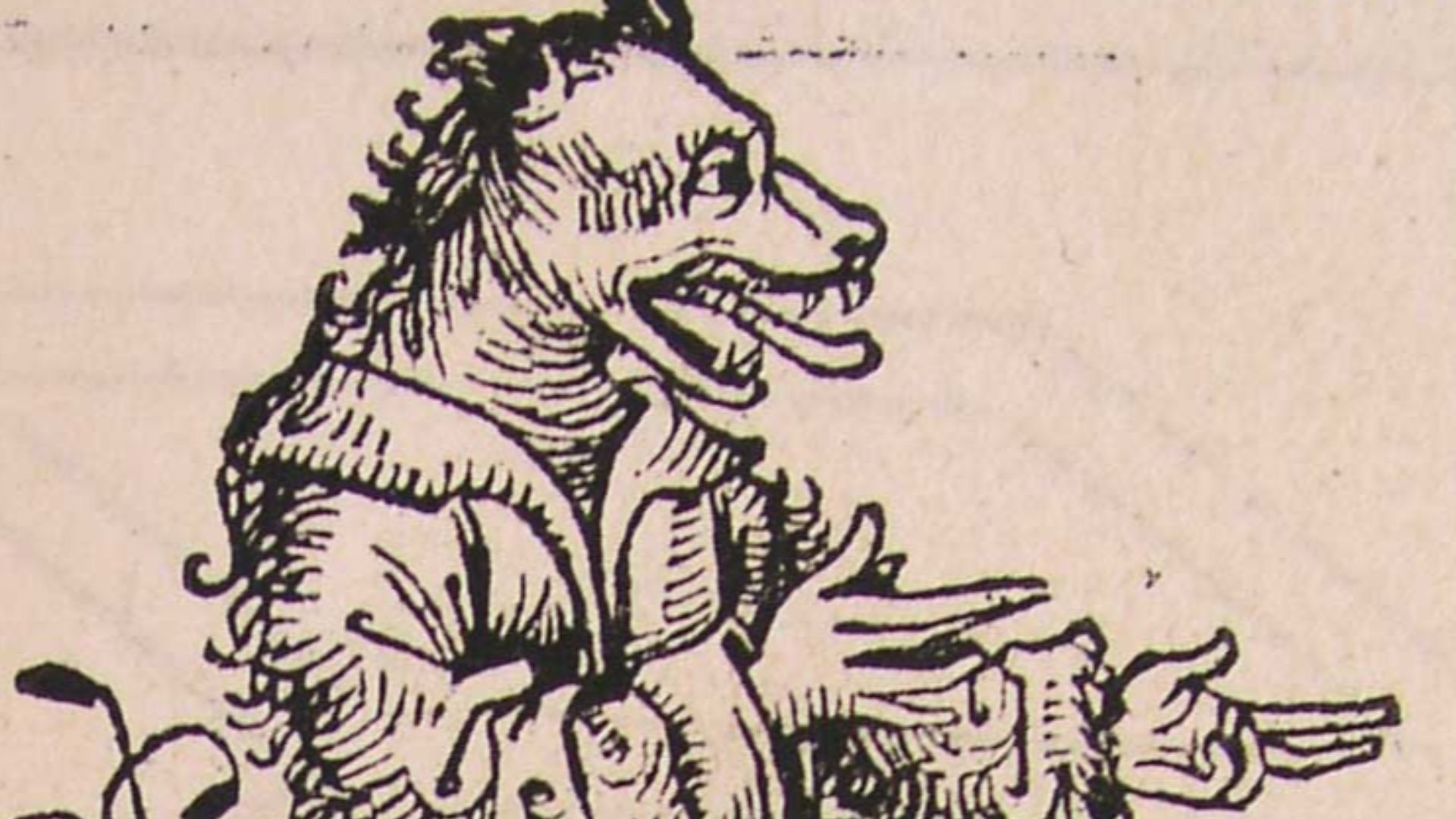
In addition to animals found in their habitat, the people of Western Amazonia also drew depictions of humans becoming animals. These images, known as therianthropic figures, suggest that early inhabitants believed in the ability to shift between human and animal forms, possibly during spiritual rituals.
 Hartmann Schedel (1440-1514), on Wikimedia
What Can Amazonian Rock Art Tell Us About Shamanism
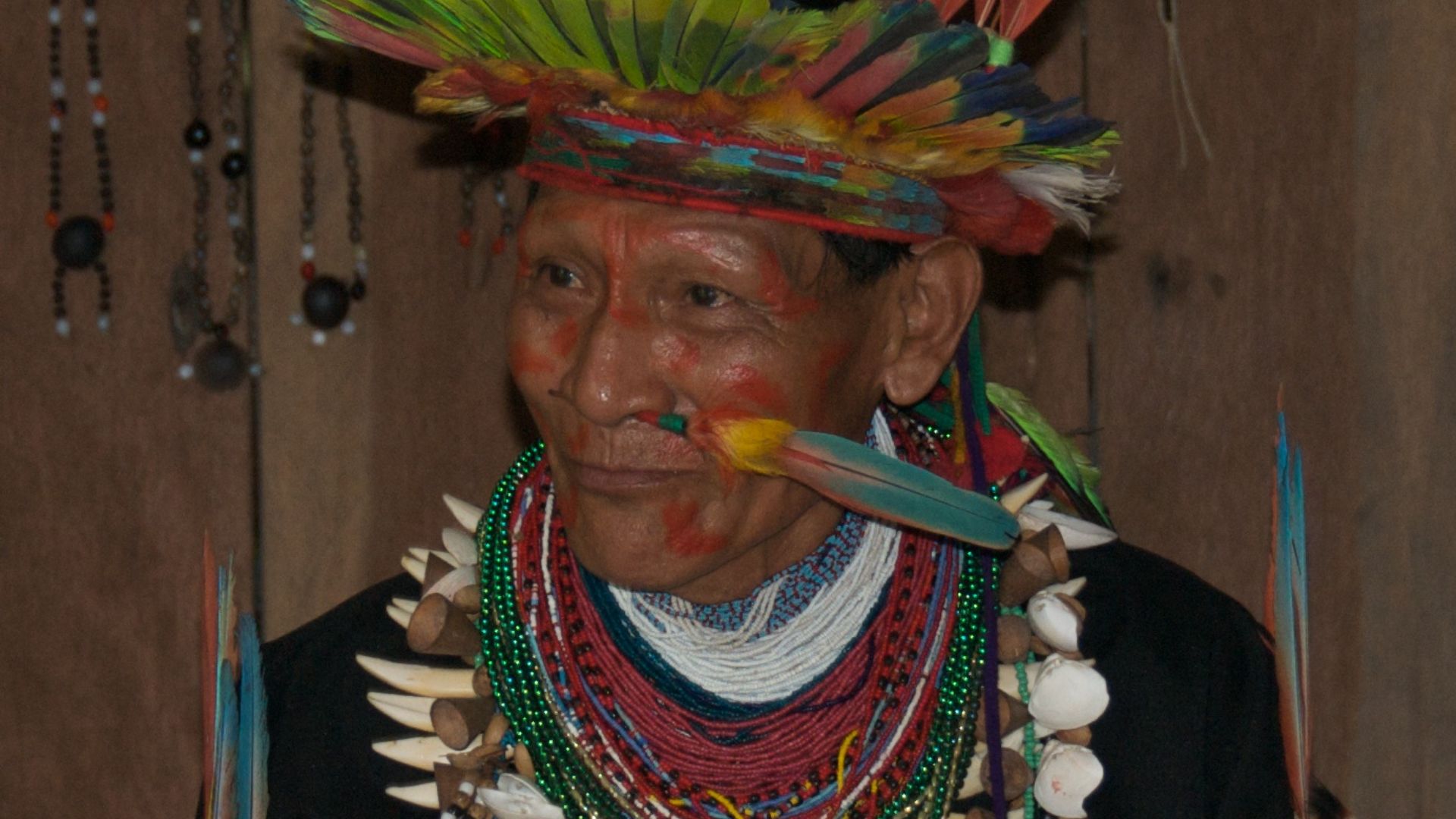
Collaborations with Indigenous elders suggest that early artists didn’t only draw animals they saw in their environment. According to the University of Exeter, the motifs could have a different meaning if looked at from a shamanic point of view.
Mythology And The Supernatural
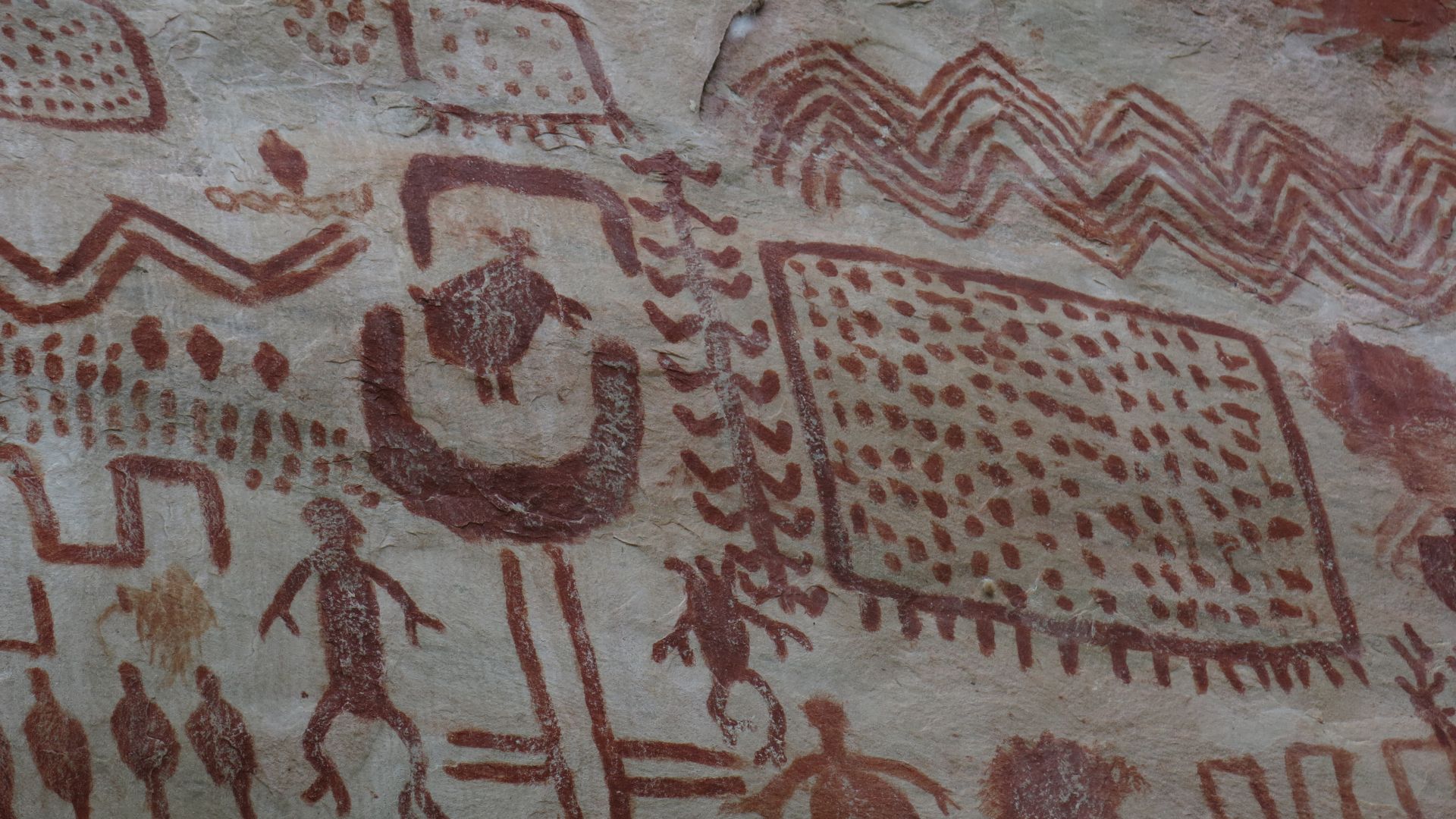
The artwork includes the images of giants, a panther with two heads, and animals with their heads where their tails could be. According to indigenous experts, these align with the spiritual beliefs of earlier cultures found in the region.
With Adaptations To Different Ecosystems
Early Amazonians demonstrated remarkable adaptability to the region's diverse ecosystems. They engaged in practices such as the domestication of plants, diversifying their plant resources to suit their needs. The diverse nature of the paintings shows these practices.
Understanding The Placement Of Rock Art
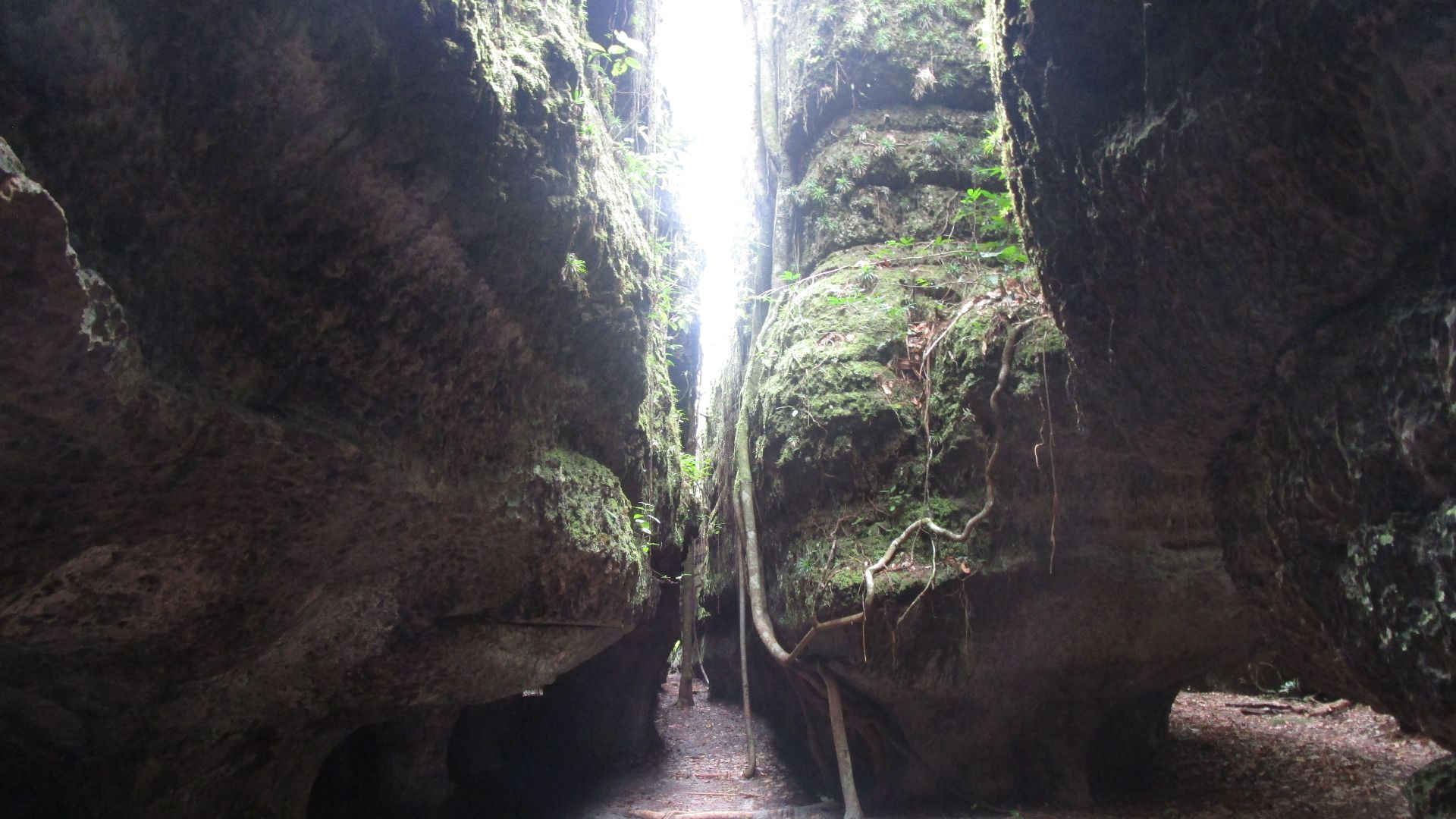
The strategic placement of rock art in the Amazon suggests a blend of sacred and communal purposes. Many artworks are found in locations accessible only through challenging climbs, indicating their significance in rituals or ceremonies. Conversely, some sites are situated in areas that might have been part of daily life.
The Role Of Indigenous Knowledge
Collaborating with Indigenous elders and ritual specialists reveals that these artworks are more than depictions of daily life. They are rich in spiritual significance by portraying shamanic journeys and transformations. This partnership underscores the invaluable role of Indigenous knowledge in exploring the mysteries of our shared human heritage.
 Erik.roger.fuller on Wikimedia
What Does The Future Hold?
The vibrant rock art of the Amazon is reshaping our understanding of life in ancient Western Amazonia. They suggest that people settled in the region earlier than previously believed, and they show the complex relationship between people and their environment.