

The Nocturnal Cave-Dwelling Tribe Who Vanished Overnight
Legend has it, a group of short, white-haired nocturnal people haunt the region—and so do tales about who they were, where they came from, and where they are now.
From a lost Welsh tribe to aliens, the mystery behind the moon-eyed people remains as intriguing as ever—with some now believing the legend may actually be rooted in historical fact after all.
Who Were They?
The moon-eyed people are a legendary group of people who are said to have lived in Appalachia until the Cherokee expelled them. There is very little known about them. In fact, many people still debate whether or not they were even real.
Published accounts have appeared in America since the late 18th century—most notably from the Cherokee—the moon-eyed people’s only known enemy.
 Boston Public Library, CC BY 2.0, Wikimedia Commons
What Did They Look Like?
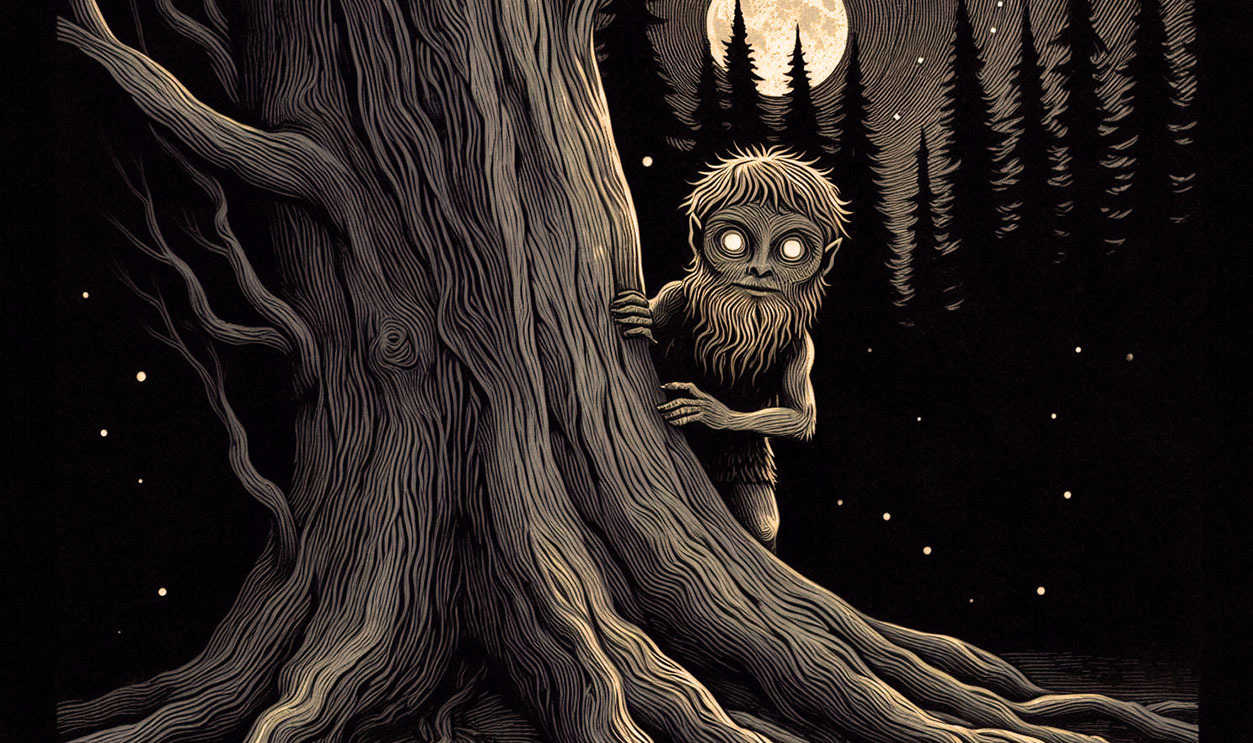
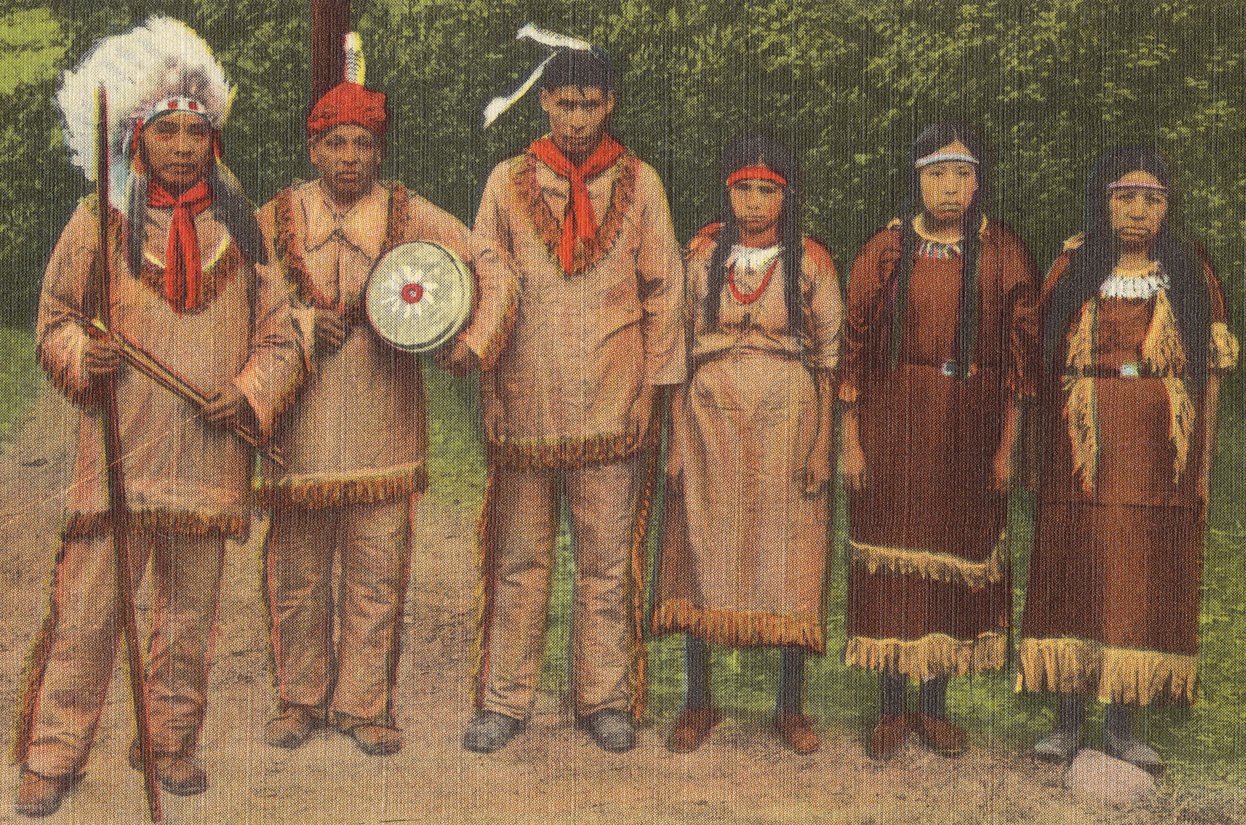
The moon-eyed people were said to be very short-statured, much smaller than the average human. They had very pale, white skin with flat faces and large, possibly crescent-shaped blue eyes. It is also believed they had white hair, and long white beards.
But their distinctive looks aren’t the only reason why we call them “the moon-eyed people".
 National Parks Gallery, Picryl
Why Do We Call Them The Moon-Eyed People?
Possibly the most interesting thing about this intriguing ancient tribe is that they were nocturnal—meaning they only came out at night.
Many sources believe this is because their skin was so pale and their eyes were so light that they could not tolerate the sun’s harsh rays—but that’s not the only theory.
 Thomsonmg2000, CC0, Wikimedia Commons
Why Were They Nocturnal?
While the idea that they struggled to see in the daylight is likely the most plausible, it’s not the only possibility. Another theory for why the moon-eyed people didn’t show themselves during the day was that they lived in great fear of their known enemy—the Cherokee.
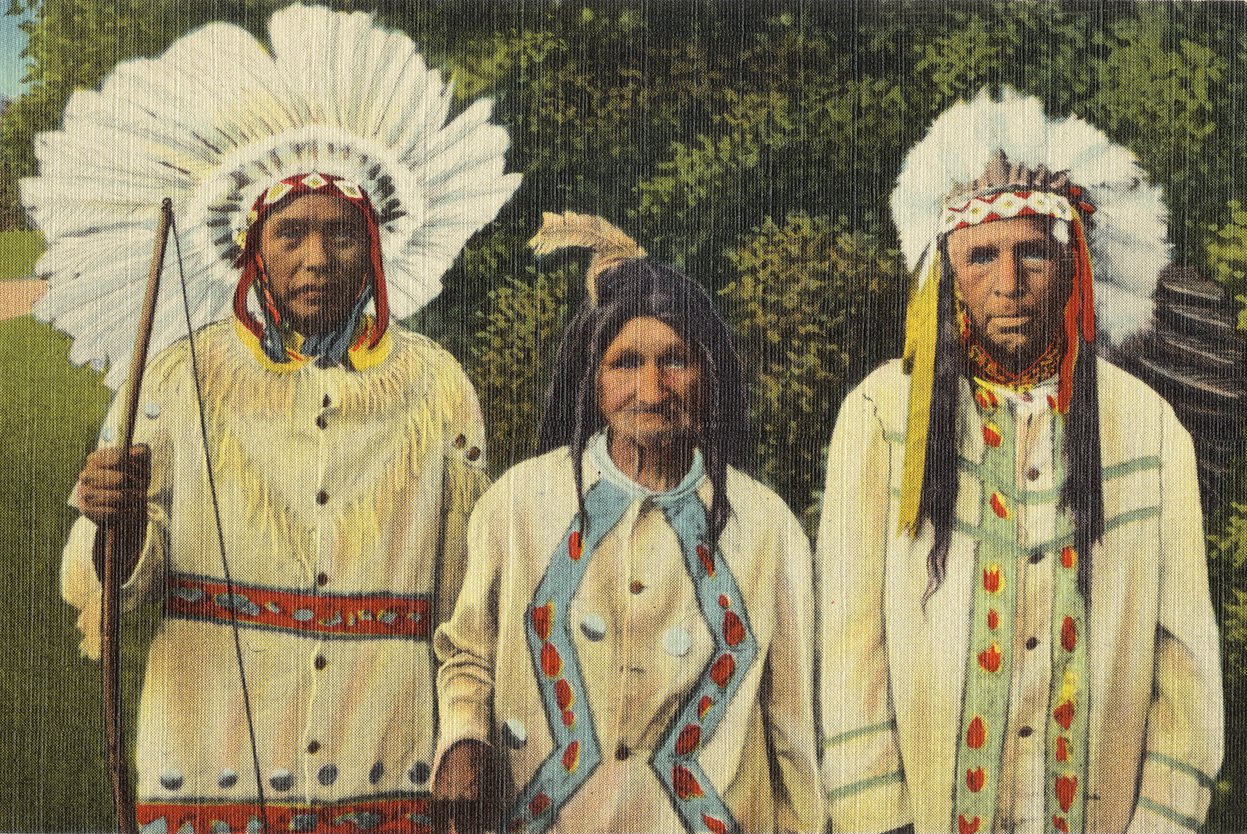
Stories about the moon-eyed people are said to be an authentic part of Cherokee oral tradition, but they aren’t the only people to claim to have seen them.
 Boston Public Library, CC BY 2.0, Wikimedia Commons
Who Discovered The Moon-Eyed People?
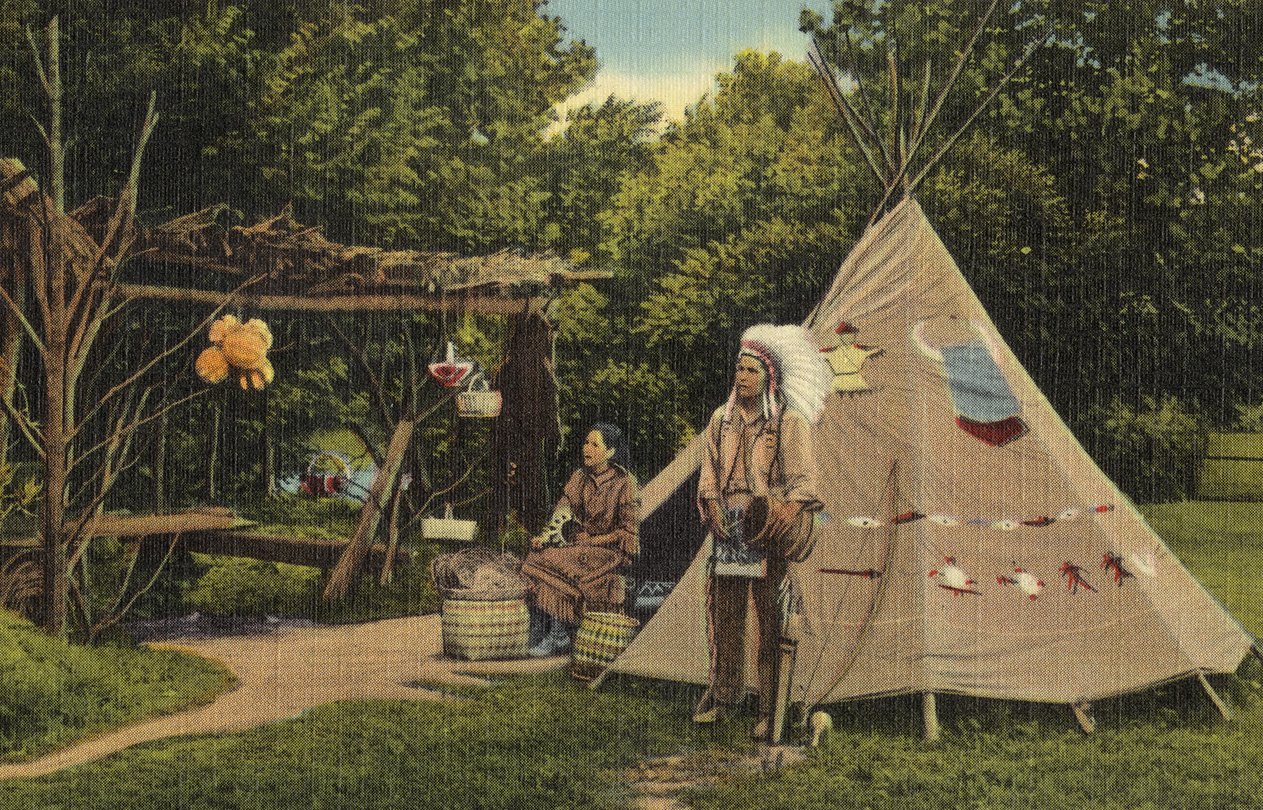
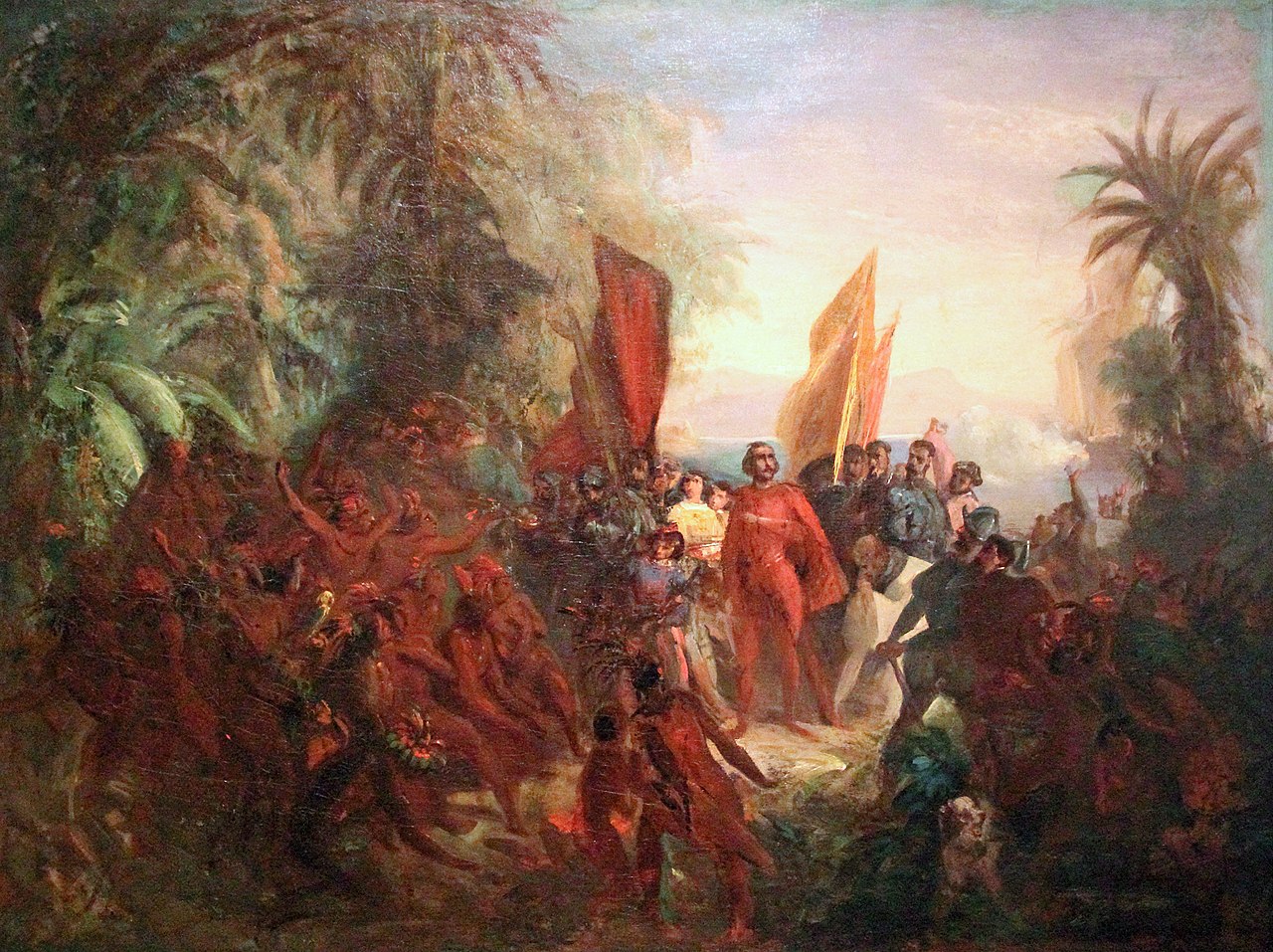
Different ideas about the moon-eyed people have appeared in letters, newspapers, and books for over 200 years. Stories about the pre-Columbian era were published by early European settlers of America, who became interested in the old ruins in America—including the native tribes who roamed during that time.
Today, there are differing published opinions about the moon-eyed people as to whether they were real people of prehistoric times or mythical people from folklore. Either way, their story is pretty incredible.
 Johan Moritz Rugendas, Wikimedia Commons
Where Did They Live?
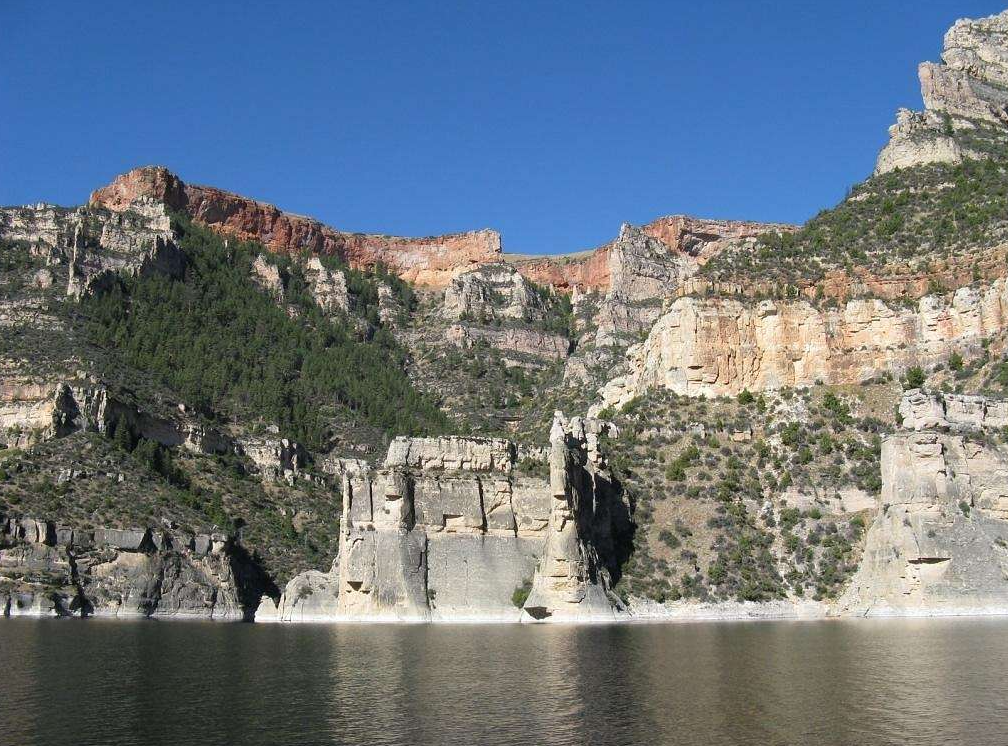
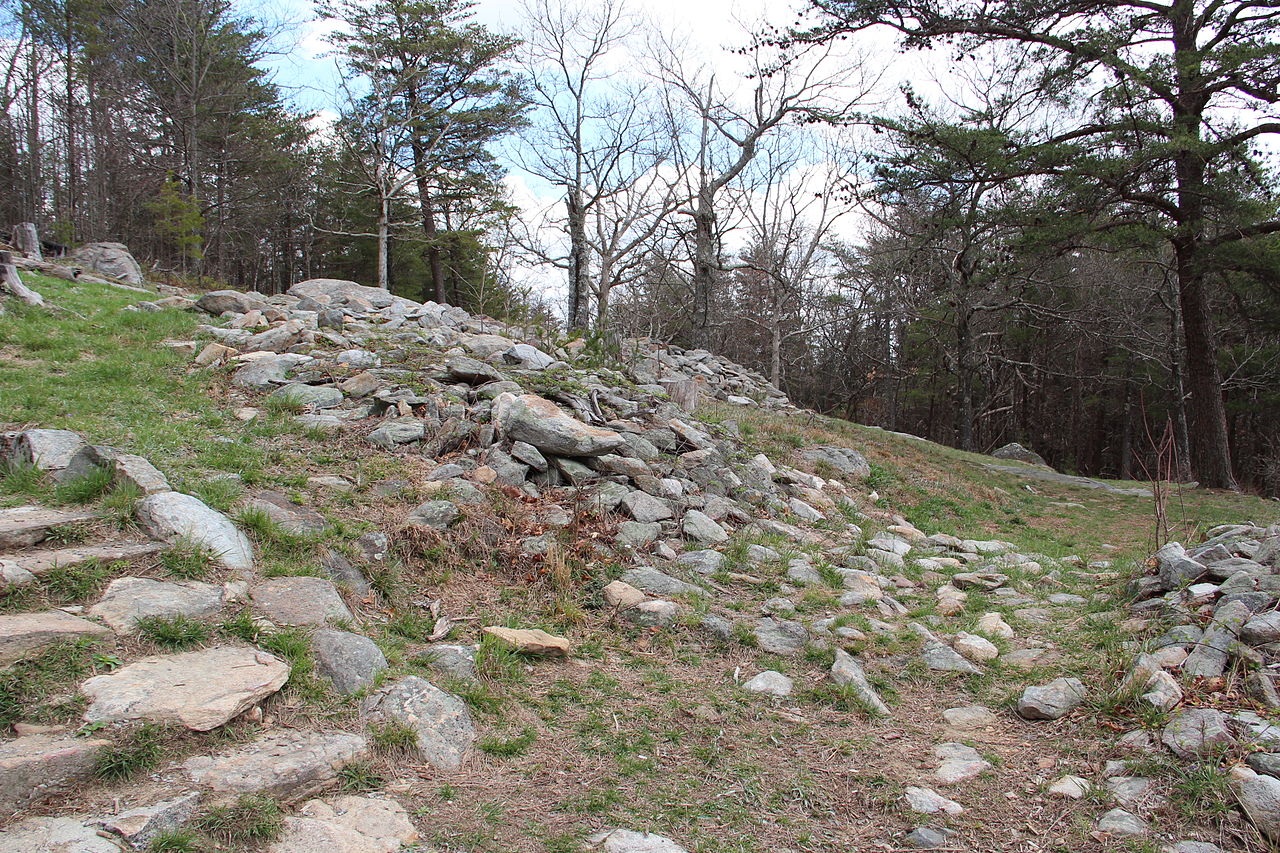
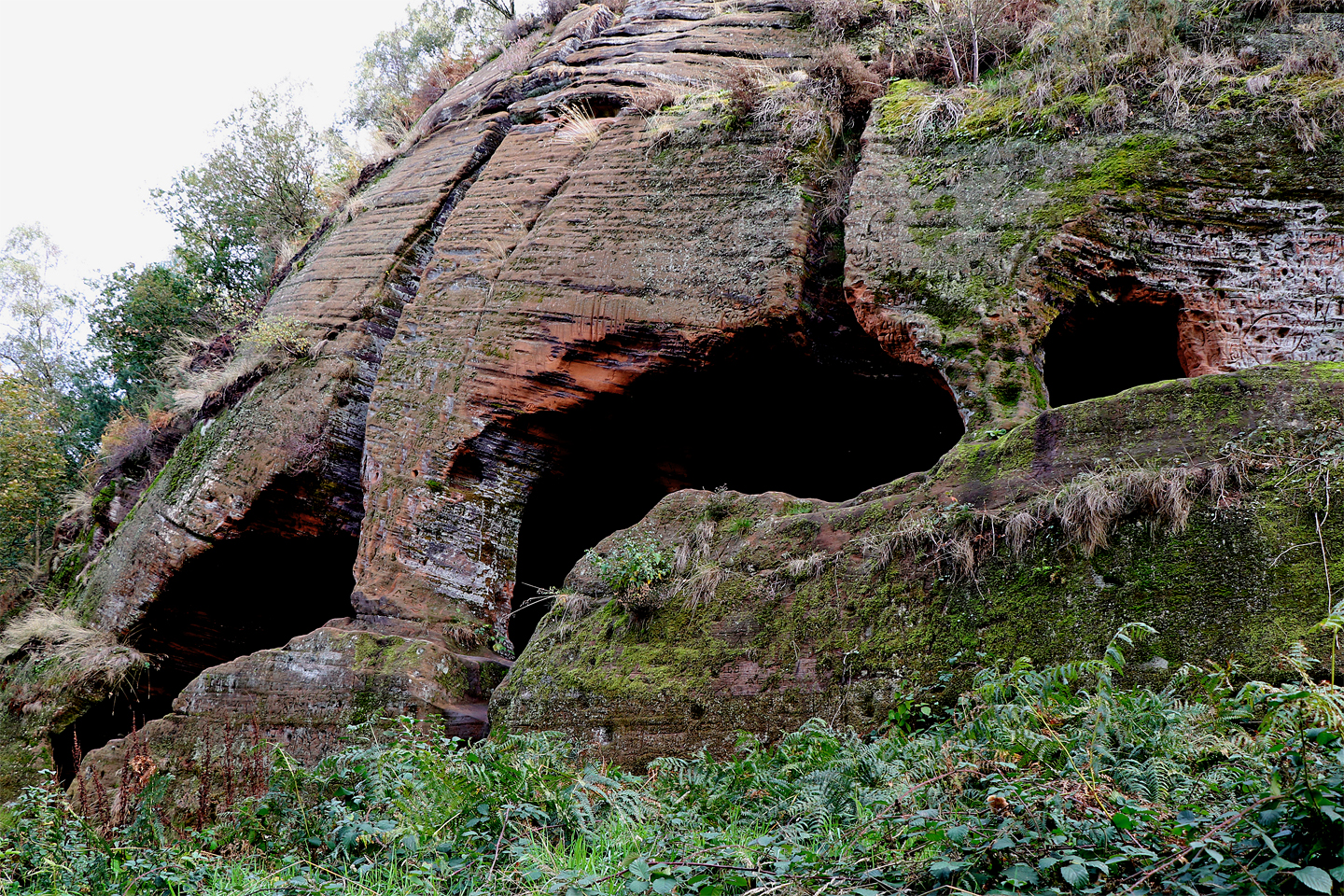
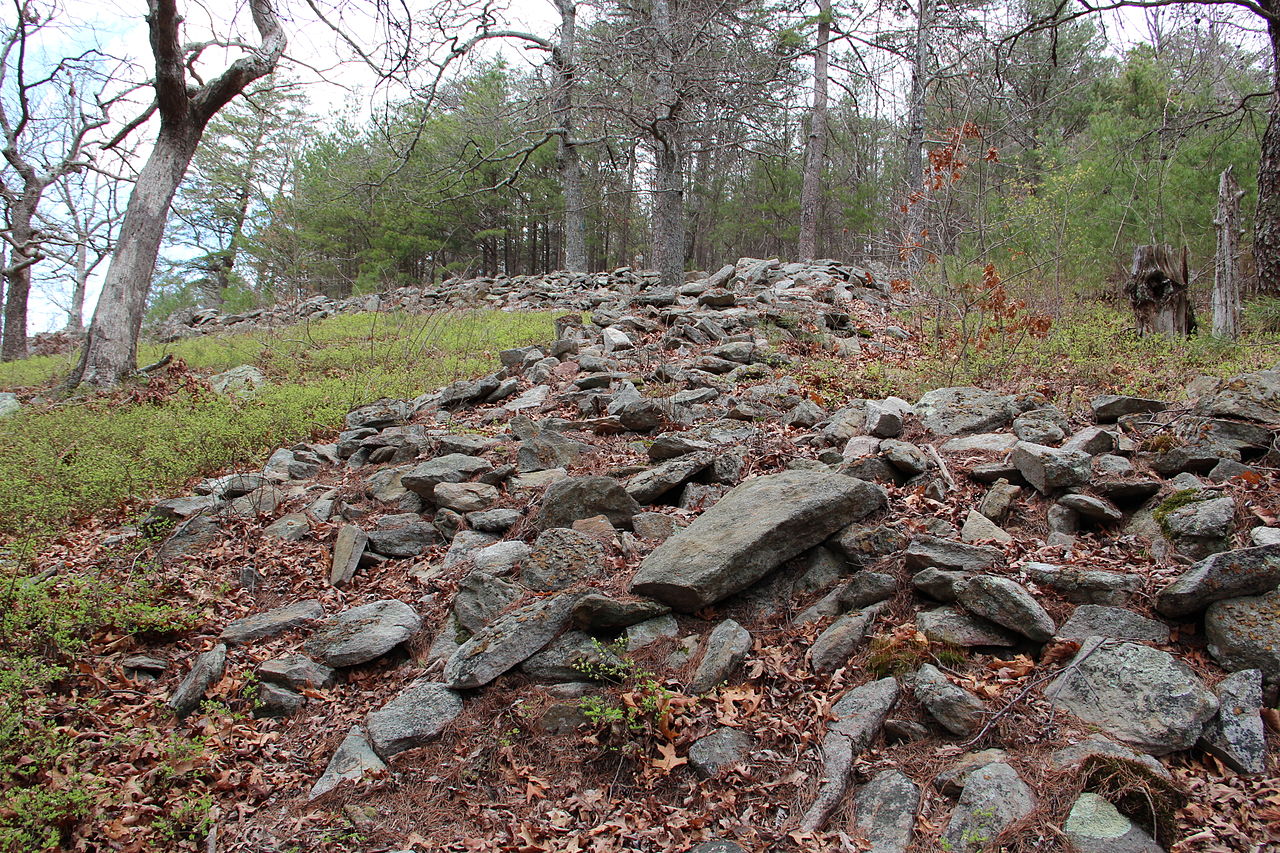
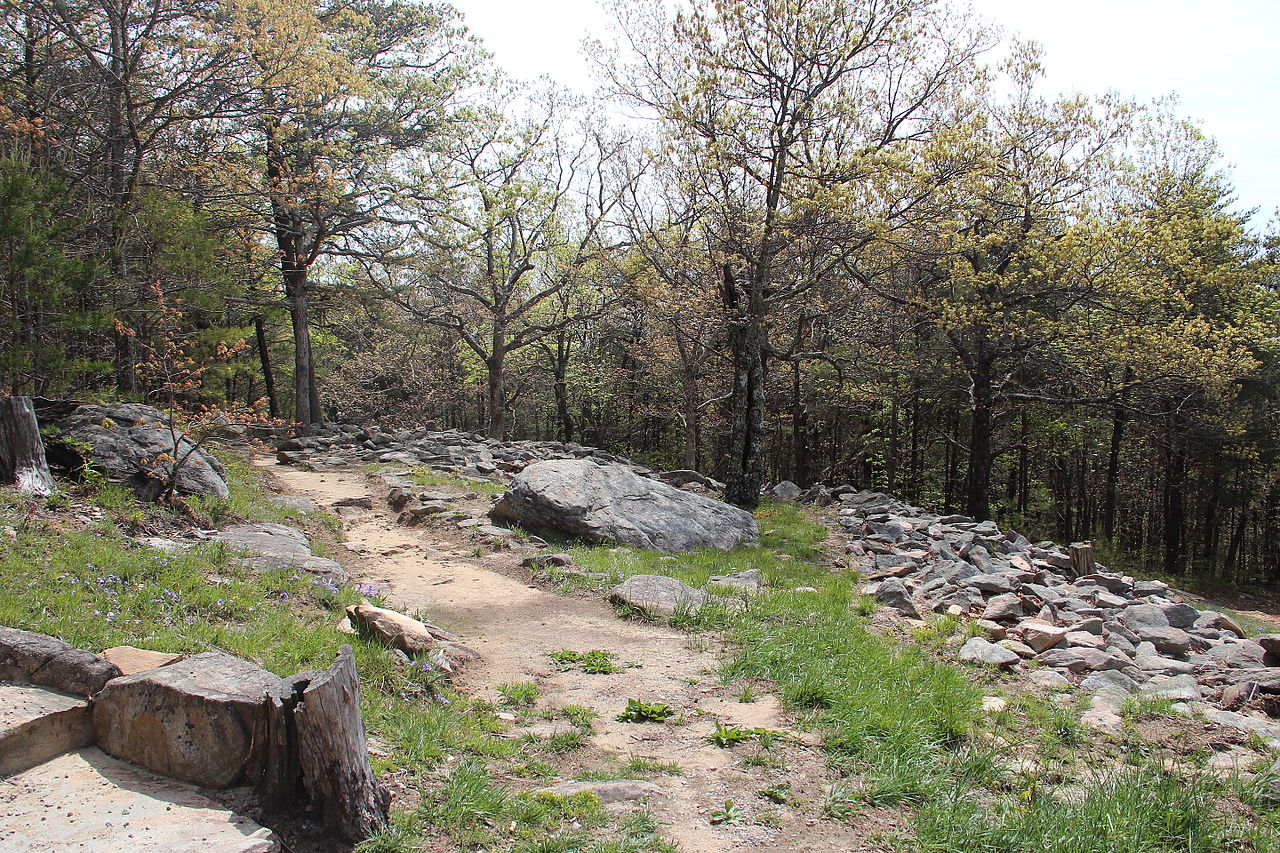
The moon-eyed people are believed to have lived in rock caves all across Appalachia. The most common location was said to be along Fort Mountain in northern Georgia, where they apparently built a very long, zigzagging wall of rocks from east to west. The wall was only a few feet tall, but it was a whopping 900 feet long and 12 feet wide. It was believed to be built as protection from the Cherokee—a culture much taller and stronger than them.
 Roger Kidd, CC BY-SA 2.0, Wikimedia Commons
What Can Be Found At Fort Mountain State Park?
Fort Mountain State Park remains a hot-spot today for tourists looking to indulge in the mysterious legend. Parts of the legendary rock wall still stand—making it proof that the moon-eyed people did indeed exist.
According to the park manager, park staff get asked regularly about the legend. He says it’s “one reason why many people visit".
And that’s not the only proof.
 Thomsonmg2000, CC0, Wikimedia Commons
What Other Proof Do We Have?
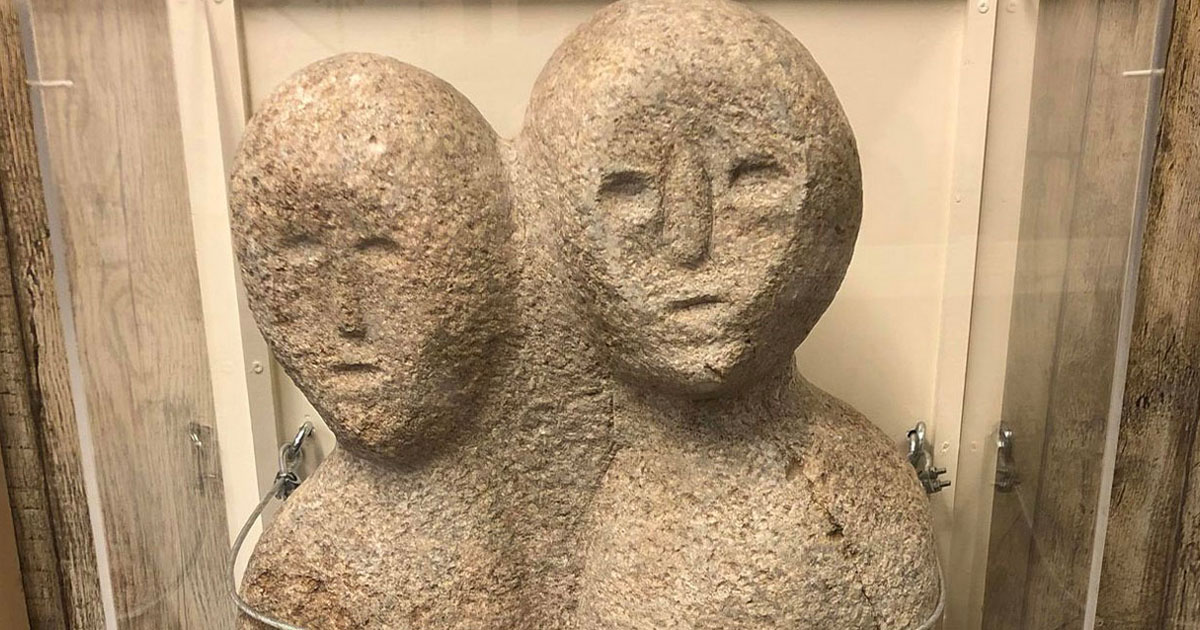
About 60 miles away from the state park is the Cherokee County Historical Museum in Murphy, North Carolina. This museum houses another object that has been cited as evidence of their existence: a three-foot-tall talc and soapstone statue.
The statue was discovered by a farmer named Felix Ashley (or possibly Axley) in the 1840s and features two entwined figures with oval heads and large, crescent-shaped eyes.
But that’s not all.
 Harrison Keely, CC BY 4.0, Wikimedia Commons
What Else Was Discovered?
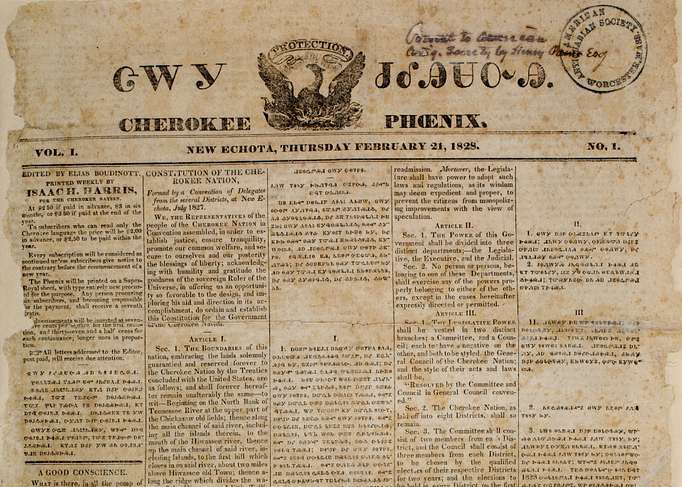
In 1882, the Native American newspaper Cherokee Phoenix published an article about the discovery of “three burying grounds” of extremely small-statured people near the Tennessee town of Sparta.
The longest skeleton was a mere 19 inches. Some of the bodies appeared to have adult teeth that were worn down with age. Several of the bodies, which were buried in stone coffins, were buried with items that may have been made from shells—a common practice of ancient indigenous tribes.
How Did They Live?
The moon-eyed people were believed to have lived a very primitive lifestyle, living in underground caves and nourishing themselves from their natural environment. Though, because the sun was possibly a threat to their vision, they were more productive at nighttime.
But their nightly activities didn’t sit well with their neighbors.
 Kuldipem, CC BY-SA 4.0, Wikimedia Commons
Why Were The Cherokee Threatened By Them?
The exact origin story varies by source, but most people believe that when the Cherokee first arrived, they found it inhabited by certain ‘moon-eyed-people,’ who apparently could not see in the daytime.
Not only that, these mysterious people also had a rather strange habit that became concerning to the Cherokee.
What Strange Habit Did They Have?
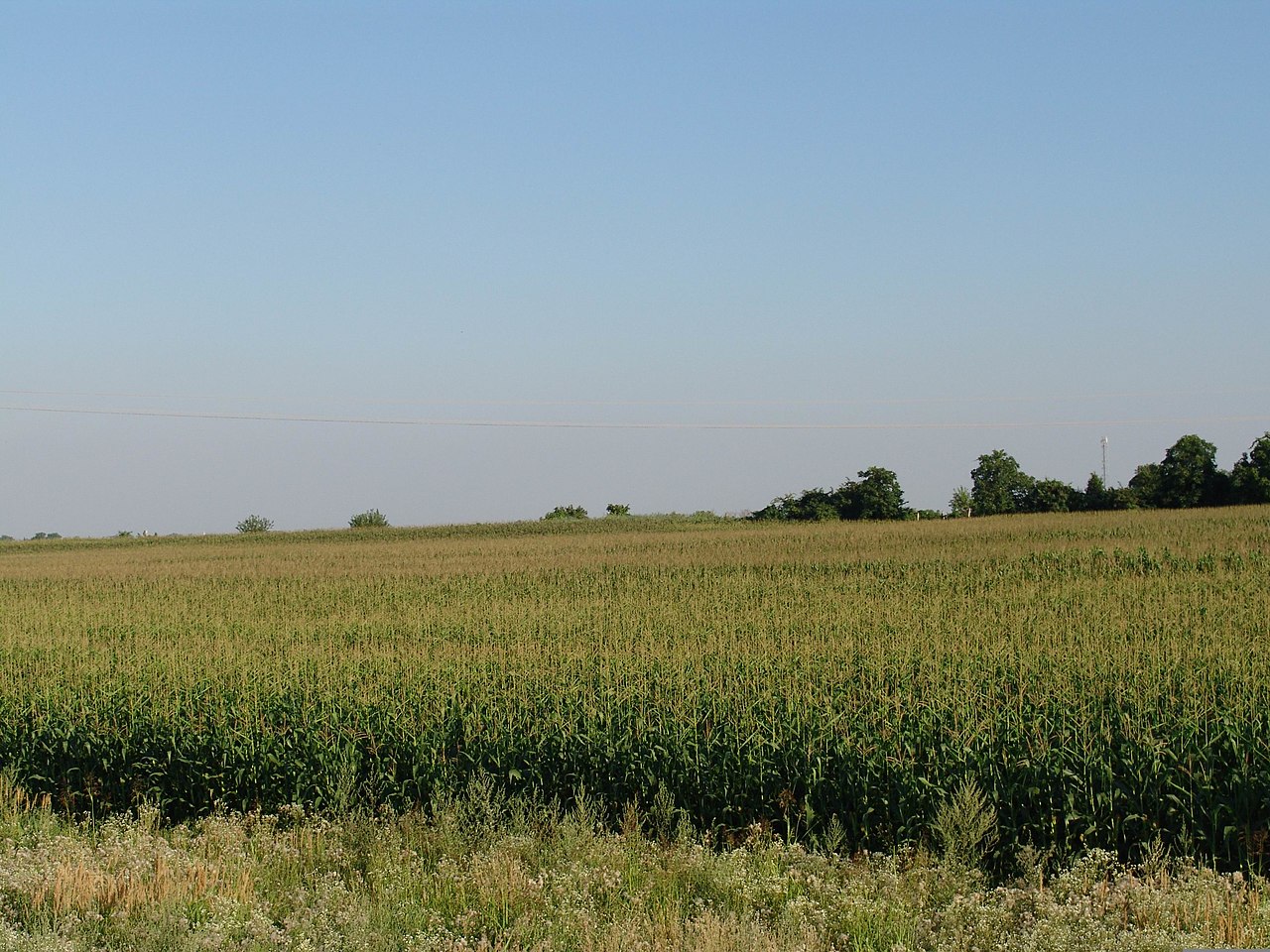
According to Cherokee author Lynn Lossiah, the moon-eyed people would “come near a house at night and the people inside would hear them talking, but they must not go out. In the morning, they find their corn gathered or the field cleared as if a whole force of men had been at work".
But this strange occurrence was thought to be “other-worldly,” and so the Cherokee people were warned, “Always remember: Do not watch".
This undoubtedly made the moon-eyed people seem utterly terrifying.
What Did The Cherokee Do?
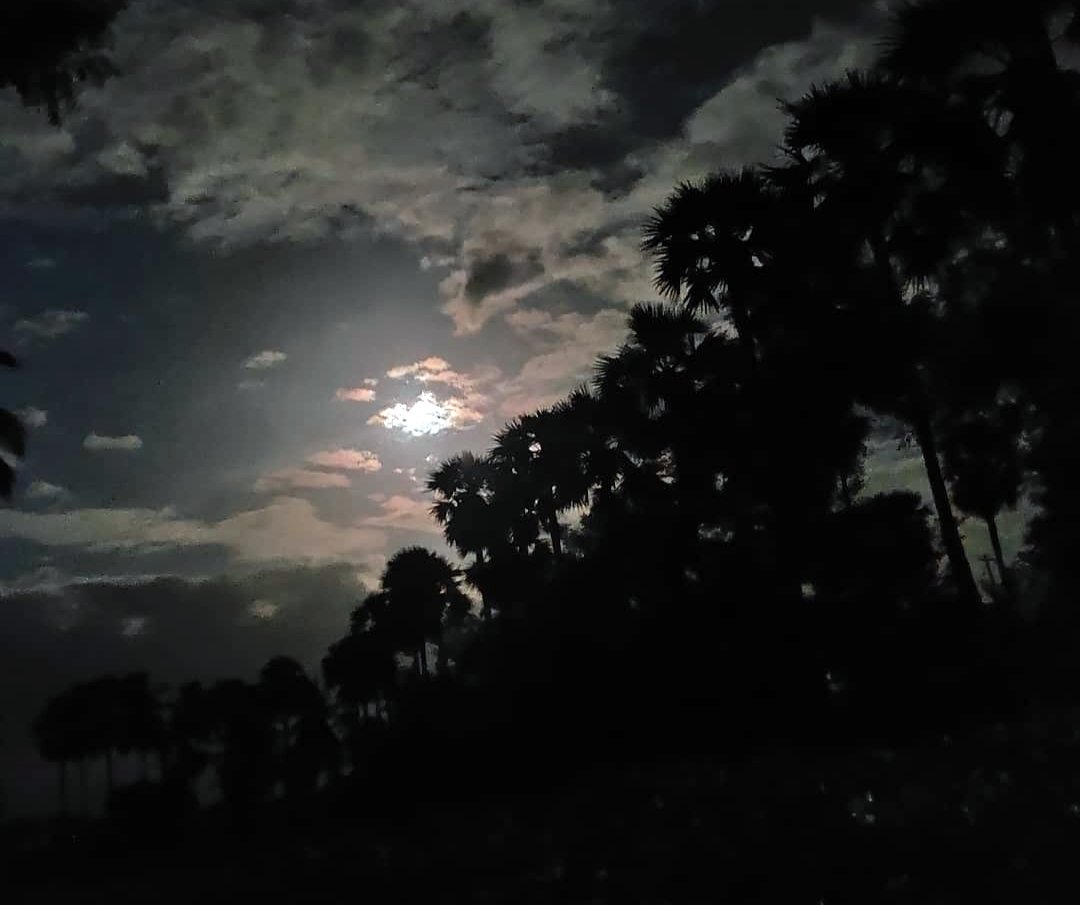
The Cherokee immediately believed the moon-eyed people to be some sort of threat, and so they got to work on their plan. Before jumping right into battle, they studied their enemy, and learned that their eyesight was significantly reduced by bright light. And aside from the sun, what other natural light source can possibly shine “too bright” for those with sensitive vision? The moon.
That’s right, the moon-eyed people were still affected by the moon—and once the Cherokee figured this out, they devised a fool-proof plan.
 Sarathkumaran Ranganathan, CC BY-SA 4.0, Wikimedia Commons
What Happened To The Moon-Eyed People?
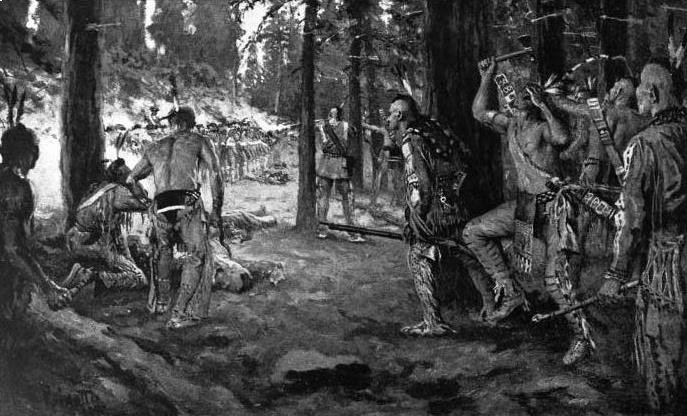
The moon-eyed people struggled to see in the sunlight, but during certain phases of the moon they were also further visually impaired. So, the Cherokee waited until the moon was at its brightest, and then they waged an attack that took the moon-eyed people by surprise.
Not much is known about this epic battle, but what we do know is that the Cherokee easily annihilated the moon-eyed people’s entire race in the span of one night. By the time the village awoke the next day, the mysterious cave-dwelling tribe had completely vanished.
 Boston Public Library, CC BY 2.0, Wikimedia Commons
Is It Possible They Survived?
Some theories suggest that the mysterious cave-dwelling tribe may not have been completely taken out. Instead, they may have been driven out of the area by the Cherokee instead, possibly heading west into Tennessee. However, this theory doesn’t have much weight as no one else has apparently seen or heard of this tribe. So if they did survive, where would they have ended up?
There is one other theory, though.
 Ernest Peixotto, Wikimedia Commons
Where Else Could They Have Gone?
Some sources suggest that the moon-eyed people, who already lived in caves underground, may have retreated further underground for good—where they would have had to live out the rest of their days.
While this theory could make sense, to some degree, historians haven’t been able to find any traces of their remains.
 Frank Vincentz, CC BY-SA 3.0, Wikimedia Commons
What Did They Leave Behind?
To this day, a number of strange sites exist across the Appalachian foothills which some believe are traces of the moon-eyed people. Fort Mountain in Georgia, for example, still has remnants of their fortified home—including the winding rock wall.
 Thomson200, CC0, Wikimedia Commons
What Are Other Possible Theories?
There are various theories surrounding the truth about the moon-eyed people. Many sources disagree as to the accuracy of the stories—which originate from Cherokee oral tradition— and publications written by early European explorers.
Some believe the moon-eyed people were an indigenous group native to the area long before the Cherokee. Others believe they were actually an ancient white race that descended from other early European explorers. And then some believe they were an old Welsh tribe led by a Welsh prince named Madoc.
And then some people don’t believe they were even human.
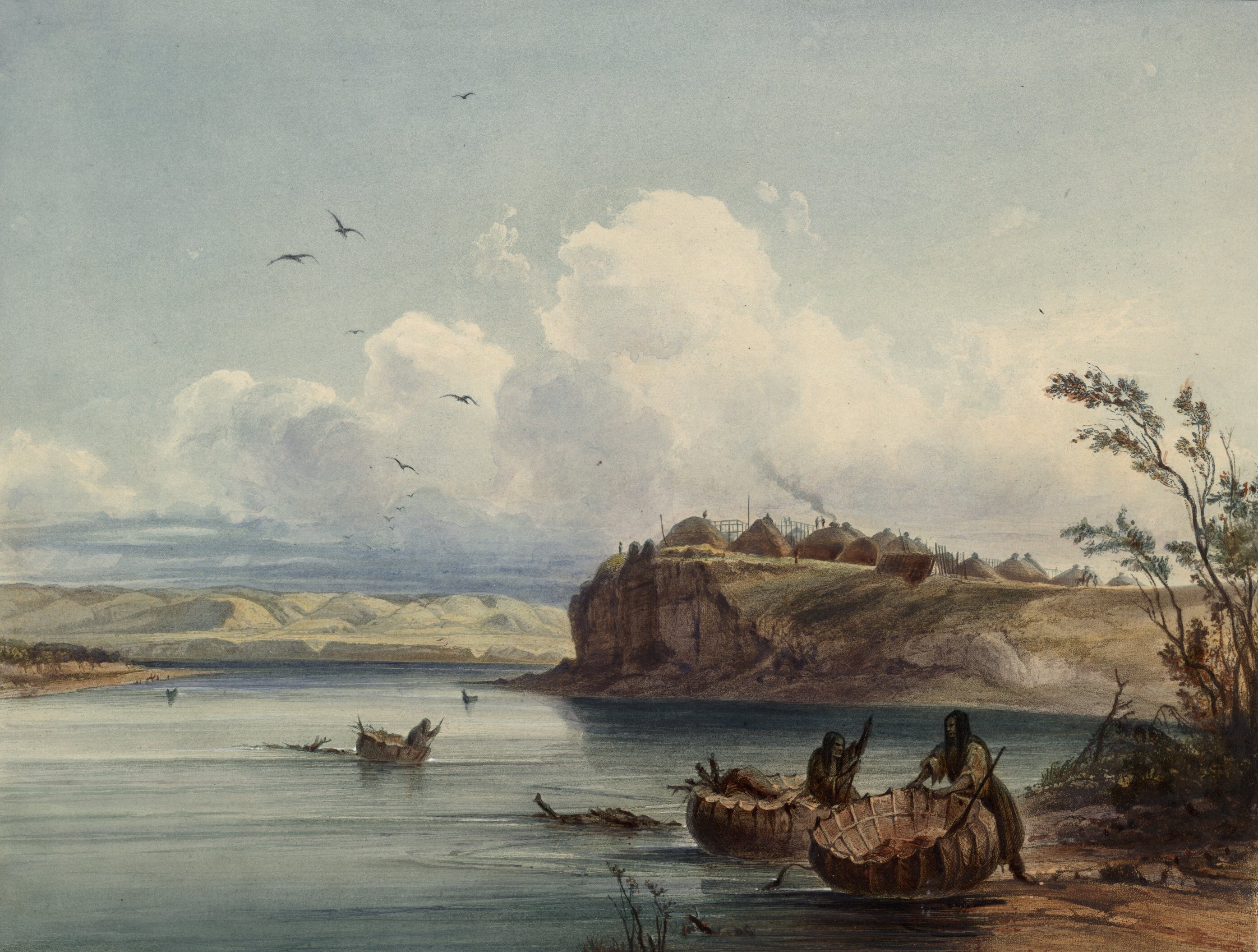 Karl Bodmer, Wikimedia Commons
What Else Could They Be?
Because of their eye-sight challenges and oddly-sized body types, there are some skeptics out there who don’t believe the moon-eyed people ever existed. Instead, they claim them to be nothing more than a mythical creature people spoke about to fascinate audiences. Others think they may have been a scare-tactic to make small children stay in their beds at night.
And then of course, you have the tin-foil hat people who believe they were actually aliens.
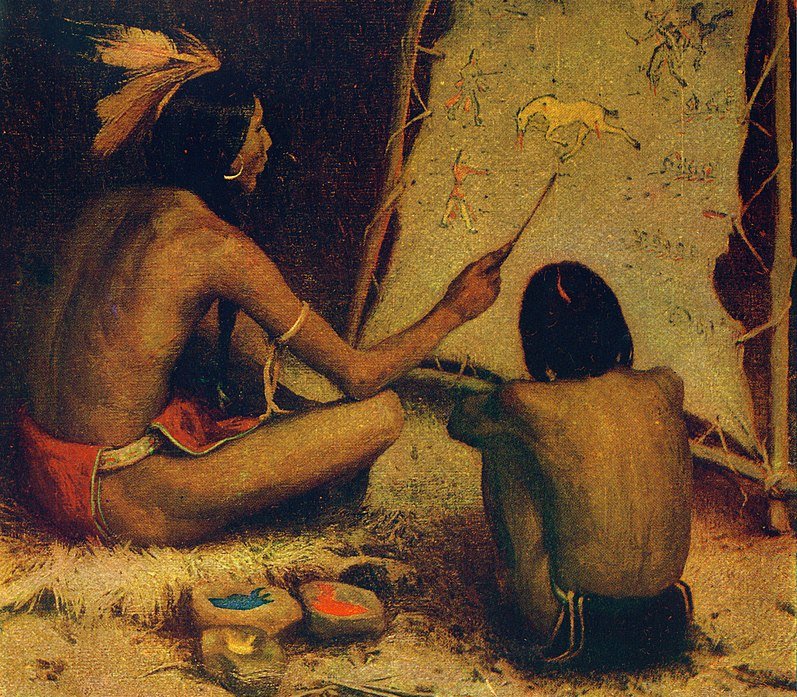 E. Irving Couse, Wikimedia Commons
The Mystery Remains
Whether or not the moon-eyed people ever existed is a question that only merely breaks the surface. Where they came from, where they went, and whether or not they are actually responsible for the historic evidence found are questions that even historians can’t seem to answer with confidence.
For now, it remains an intriguing tale passed down from generations of family who love a little mystery every now and again.
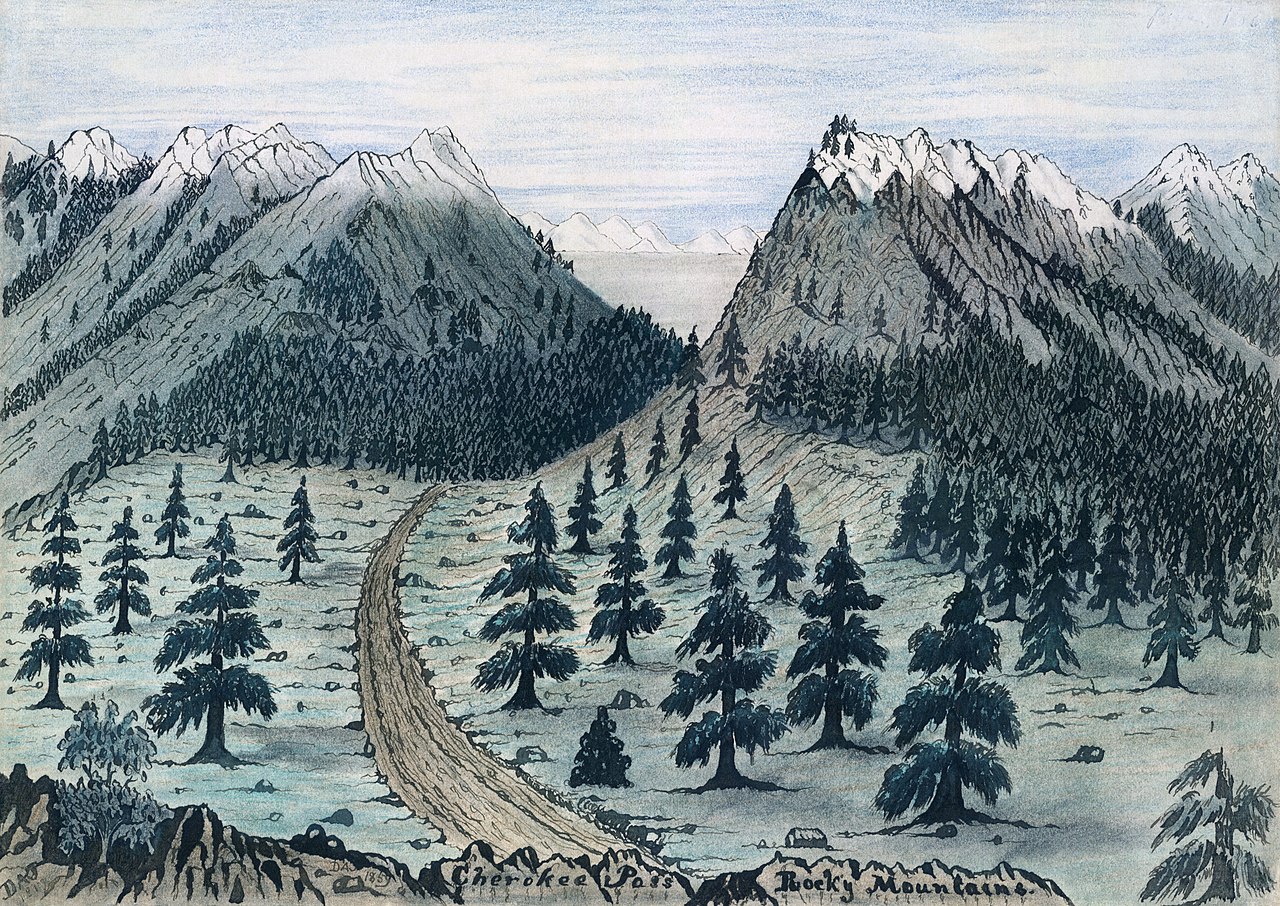 Jenks, Daniel A., Wikimedia Commons
The Haunting Of Fort Mountain
To make things a little more interesting, some people have taken the legend a little further. Not only did this mysterious nocturnal tribe completely vanish without a trace—their ghosts may have come back for vengeance.
According to some believers, along certain portions of the crumbling wall on Fort Mountain, you can still hear distant drumbeats and catch glimpses of short, bearded-men in bearskins—particularly as the sun is setting.
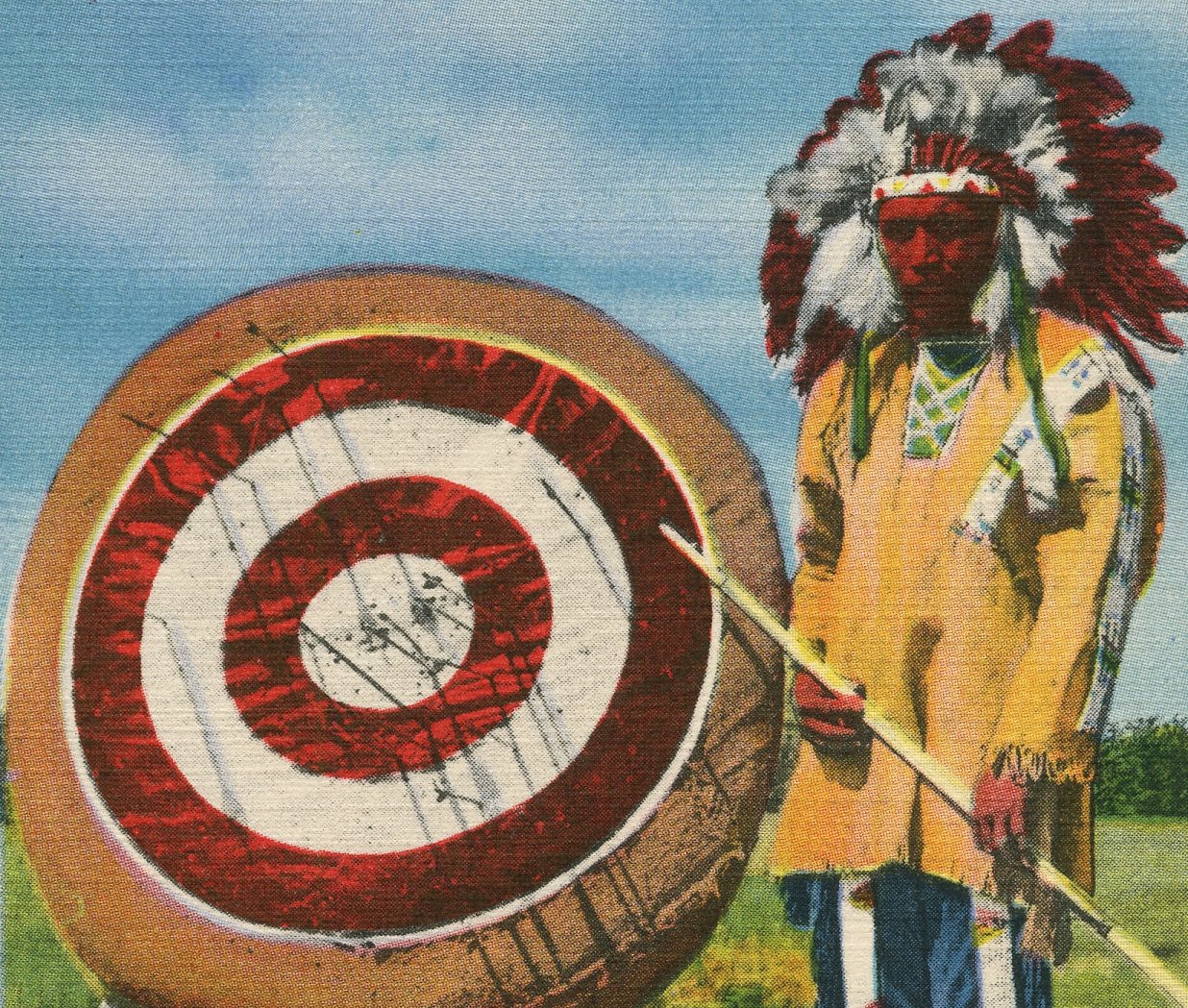 Steve Shook, CC BY 2.0, Wikimedia Commons




.jpg)

.jpg)


.jpg)


.jpg)

.jpg)