You Wouldn’t Be Here
Seventy-four thousand years ago, deep in what is now Sumatra, a supervolcano erupted with a fury that darkened the sky, choked the air, and froze the planet. Humanity was to die, but against all odds, we endured. Let’s start from the beginning.
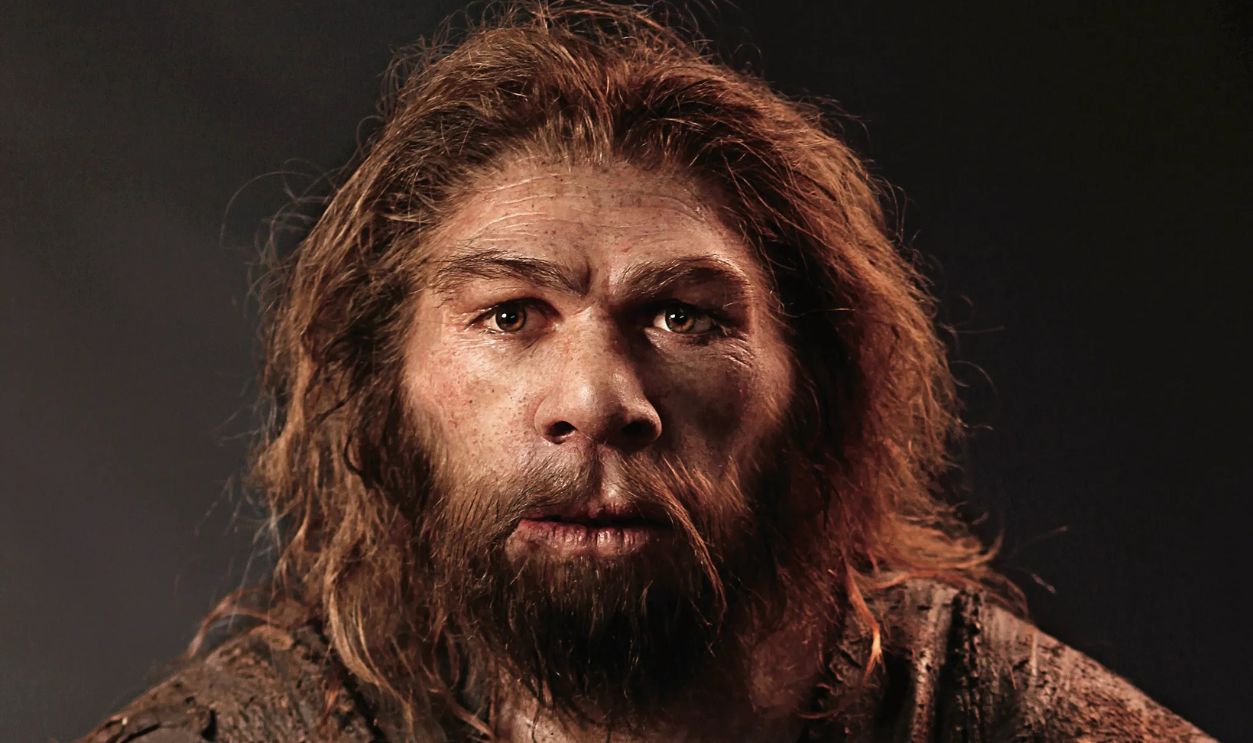
Earth Was A Land Of Extremes
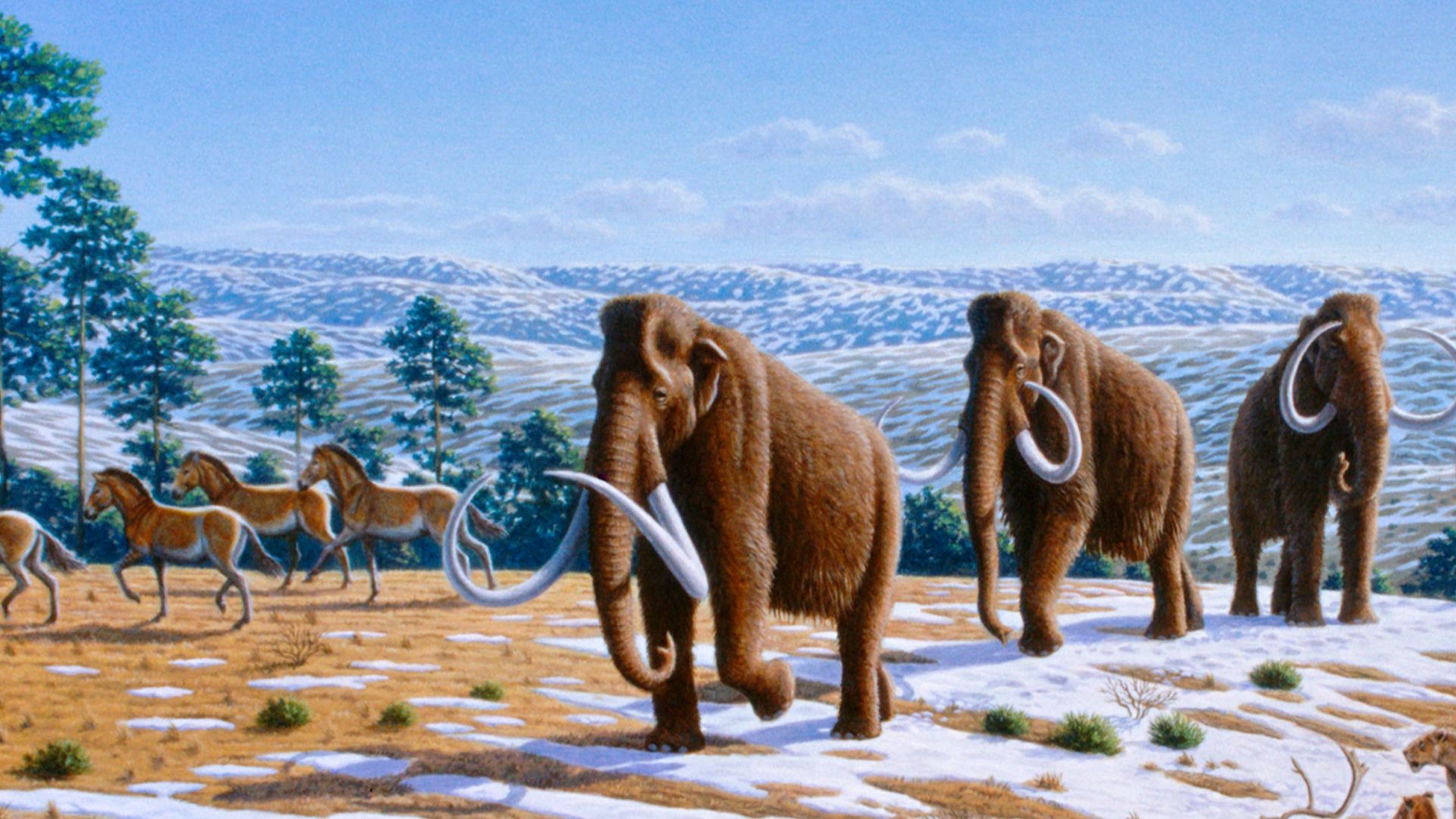
During the Middle Paleolithic period, towering ice sheets gripped the poles while lush forests and sprawling savannas stretched across Africa and Asia. Early humans roamed alongside woolly mammoths and saber-toothed cats, unaware that a hidden force beneath Sumatra was stirring, a force that would soon change everything.
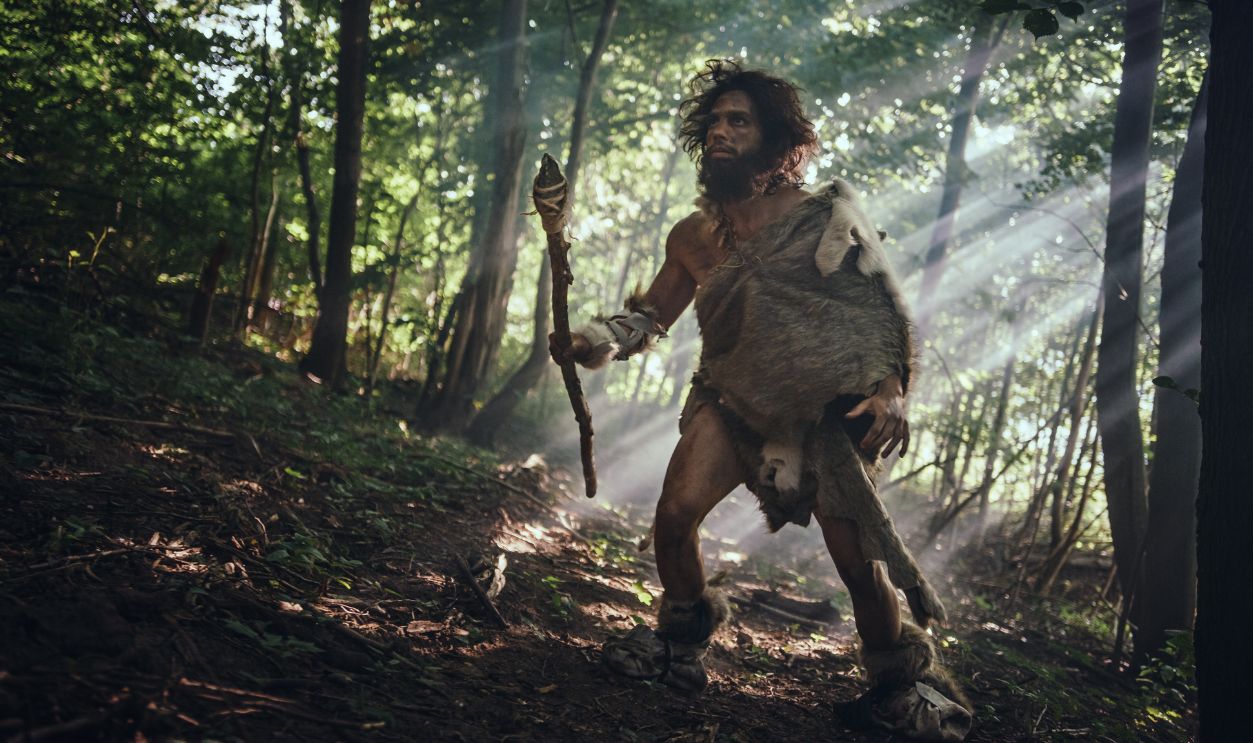
Humans Were Not Alone In This World
Homo sapiens were not alone. Neanderthals thrived in Europe’s harsh climates, their stocky frames built for the cold. In Asia, Denisovans left faint traces of their existence. Our ancestors were clever and adaptable, but they were not the strongest nor the most numerous. When disaster struck, survival wasn’t guaranteed.
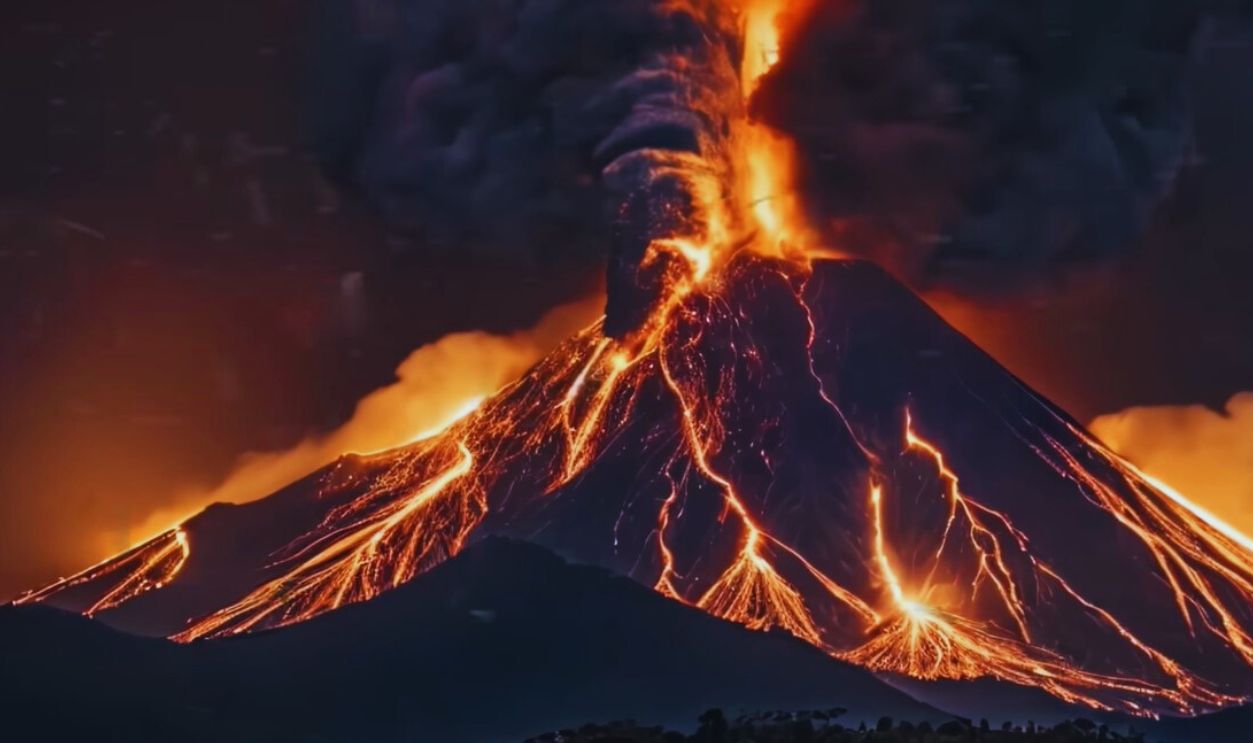
A Volcano That Had Erupted Before Was Stirring Again
Mount Toba had erupted before, but nothing on the scale of what was to come. A massive magma chamber pulsed beneath Sumatra, fed by deep, unseen forces. For thousands of years, pressure built beneath the surface, shaping a terrain that seemed peaceful—until the moment it wasn’t.
 Lake Toba’s Supervolcano Makes Yellowstone Look Tame by BRIGHT SIDE
Did The Earth Warn Of What Was Coming?
The Earth has always had ways of whispering danger, like small tremors rattling the land, lakes steaming, and animals running off long before an eruption. But did early humans understand these warnings? Or did they, like countless species before them, walk unknowingly toward disaster?
Then, The Eruption Begins
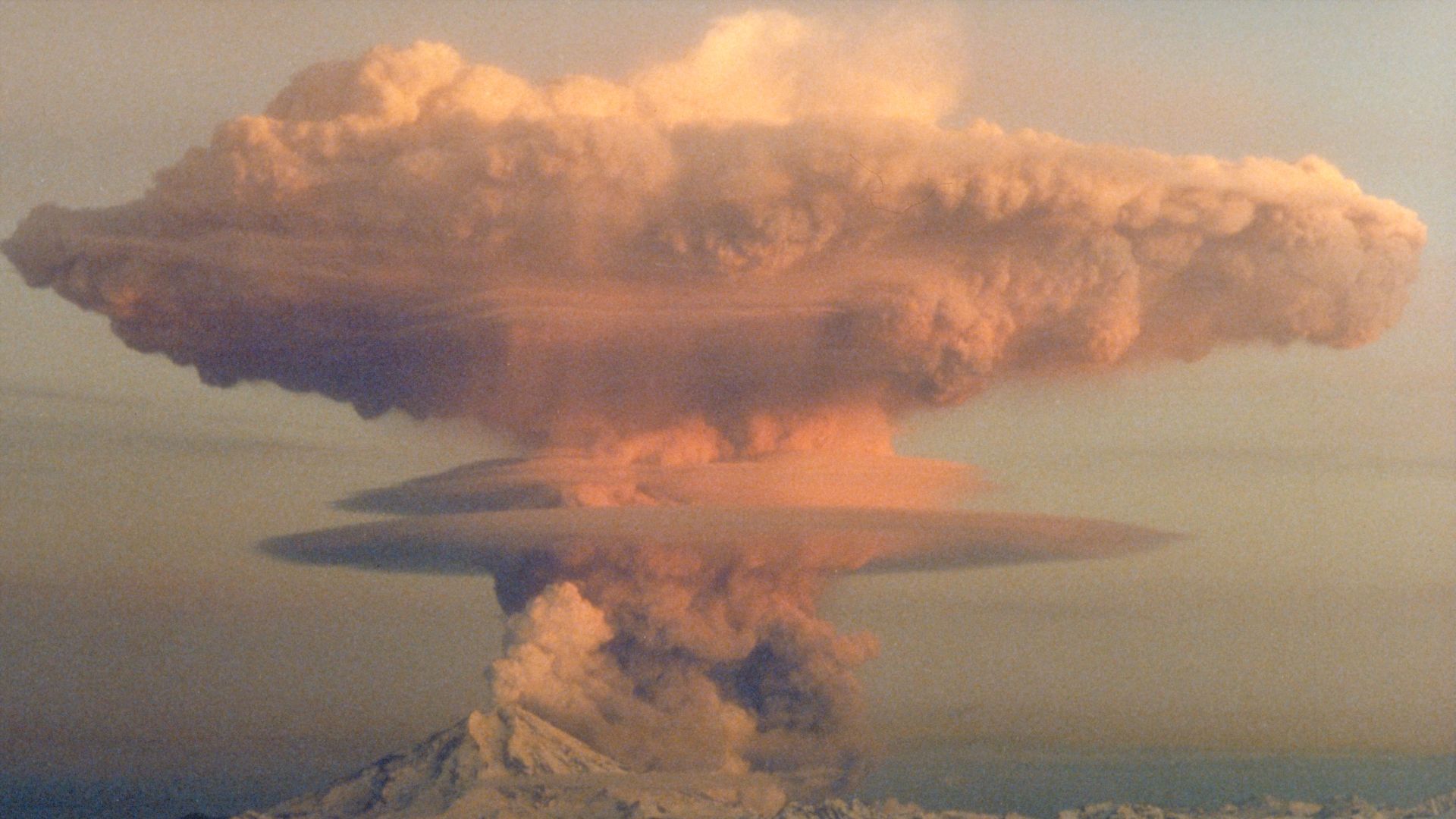
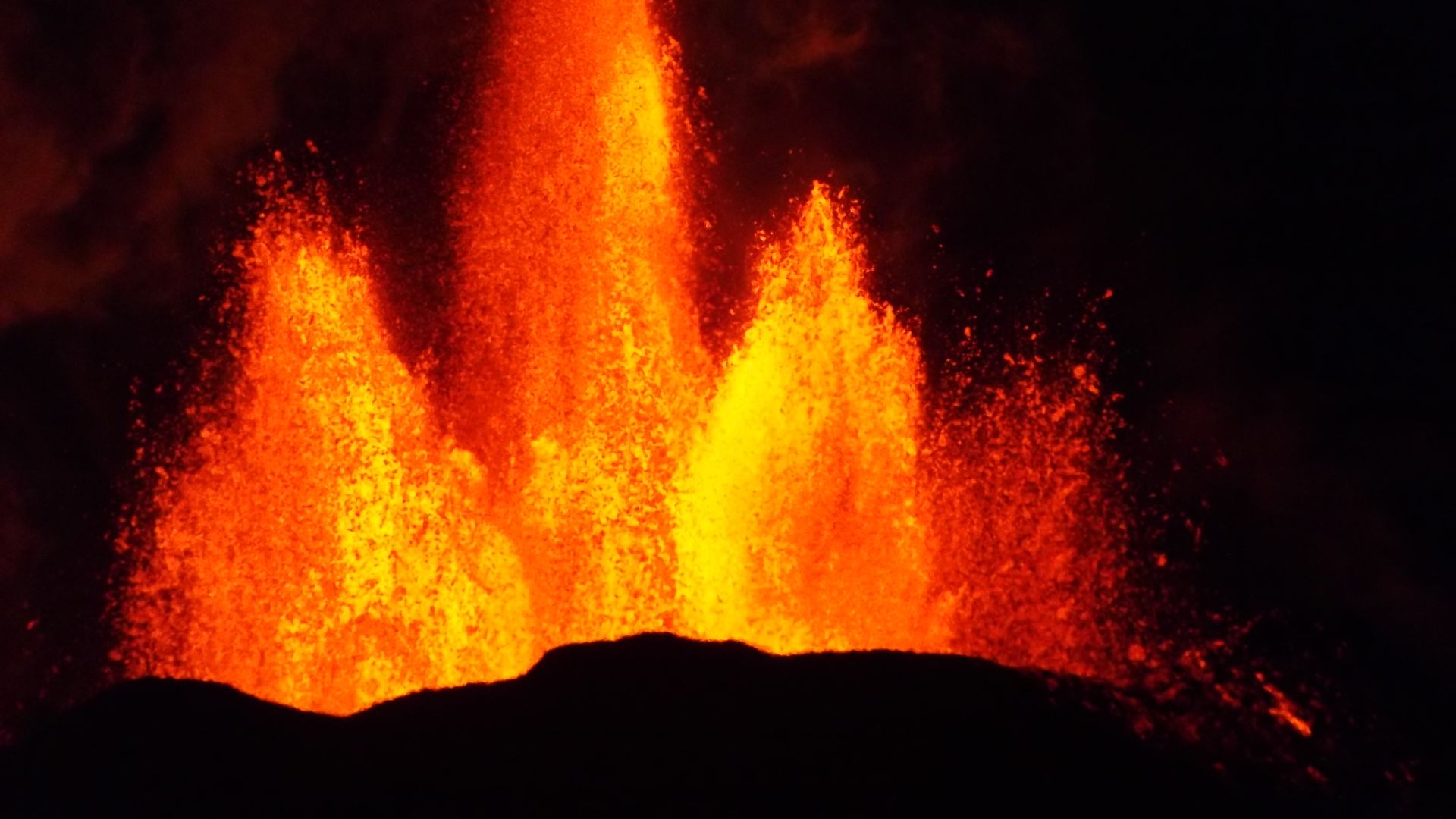
On that fateful day, the ground shuddered and then split apart. A deafening roar filled the air as Mount Toba exploded with unimaginable force. Humanity had never faced a catastrophe of this scale! In an instant, entire villages and forests disappeared. Even rivers were consumed.
A Blast Heard Around The World
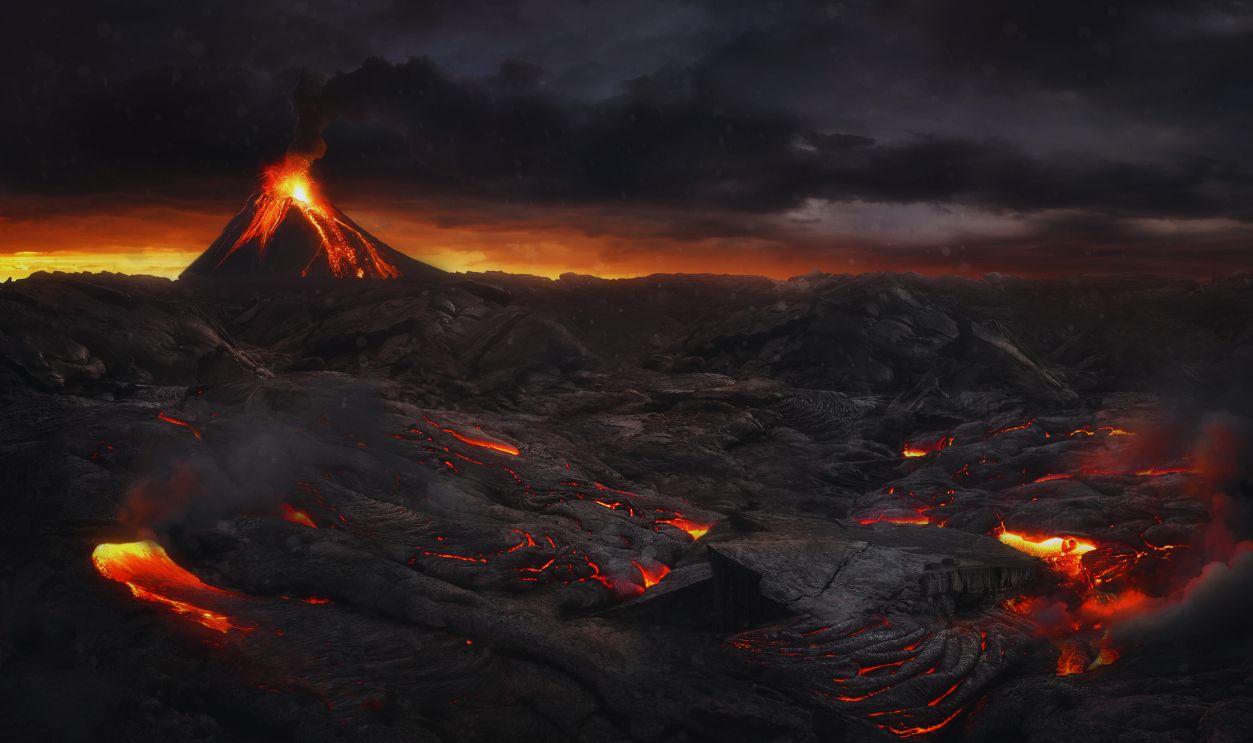
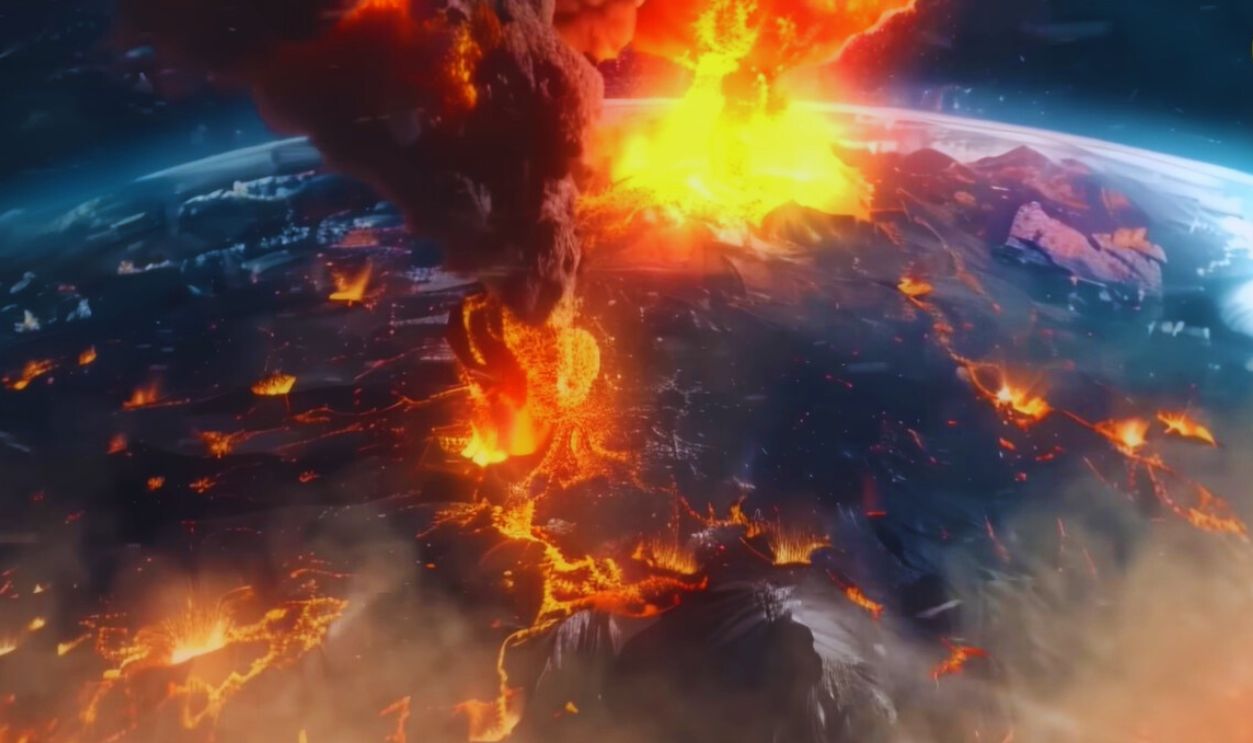
The eruption was a detonation powerful enough, likely heard many miles away from the site itself. Ash and gases burst into the stratosphere, spreading devastation across continents. The eruption released around 2,800 cubic kilometers of material and had an energy output equivalent to approximately 159 Hiroshima bombs.
 Lake Toba’s Supervolcano Makes Yellowstone Look Tame by BRIGHT SIDE
Ash, Fire, And Fury Covered The Land
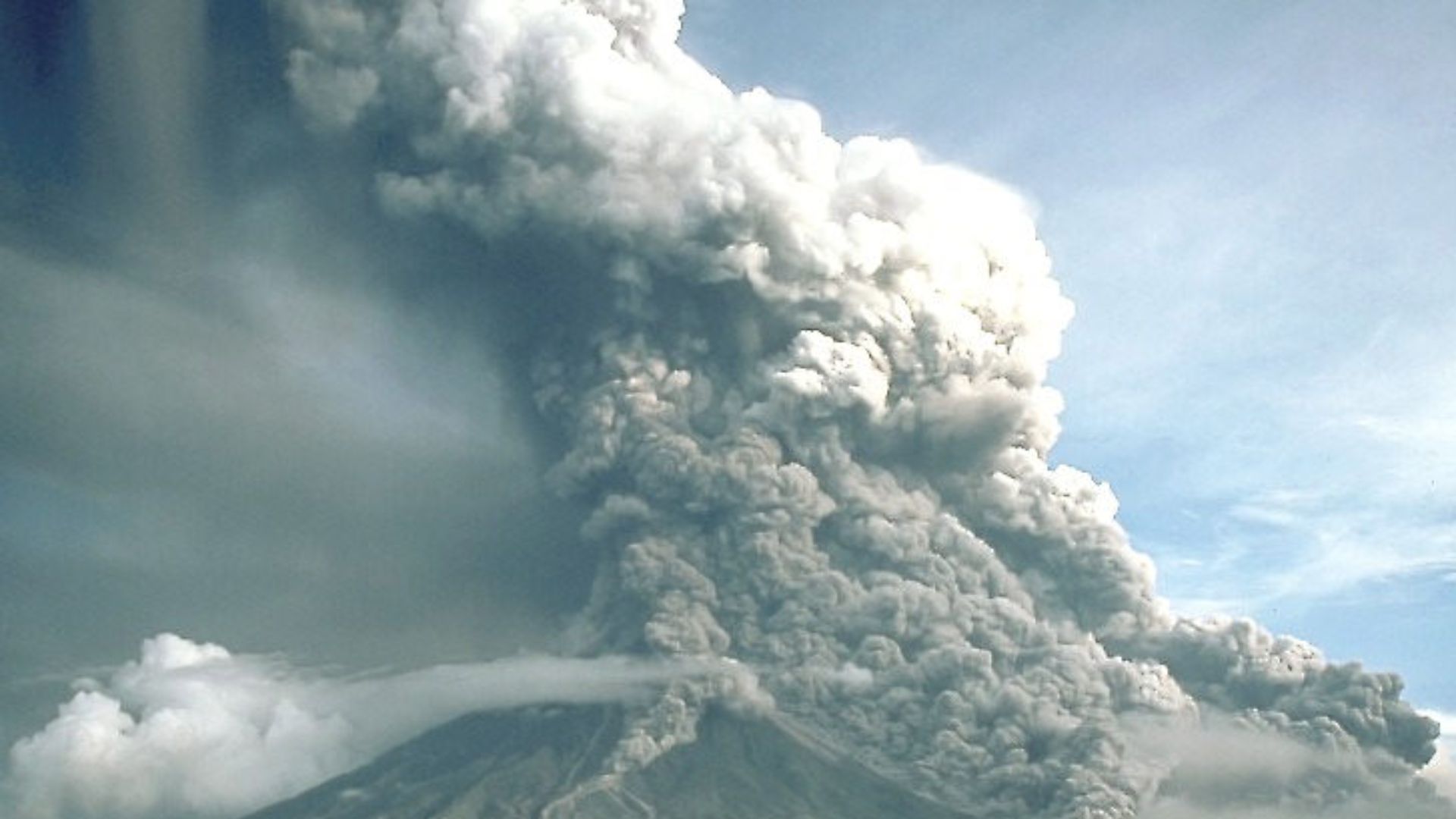
Rivers of fire surged down the slopes as they consumed everything in their path. Pyroclastic flows—searing clouds of ash and gas—raced across the scenery at deadly speeds. This suffocated all life in their wake. The once-thriving land turned into a graveyard of scorched Earth and buried ruins.
 C.G. Newhall; modified by Probaway (talk) on Wikimedia
Darkness Fell As The Sky Turned Against Earth
Within hours, a thick and suffocating cloud blanketed the sky. The sun vanished behind swirling columns of ash, and they cast the world into an unnatural twilight. Temperatures dropped as sunlight struggled to break through, and acid rains fell, poisoning rivers and lakes.
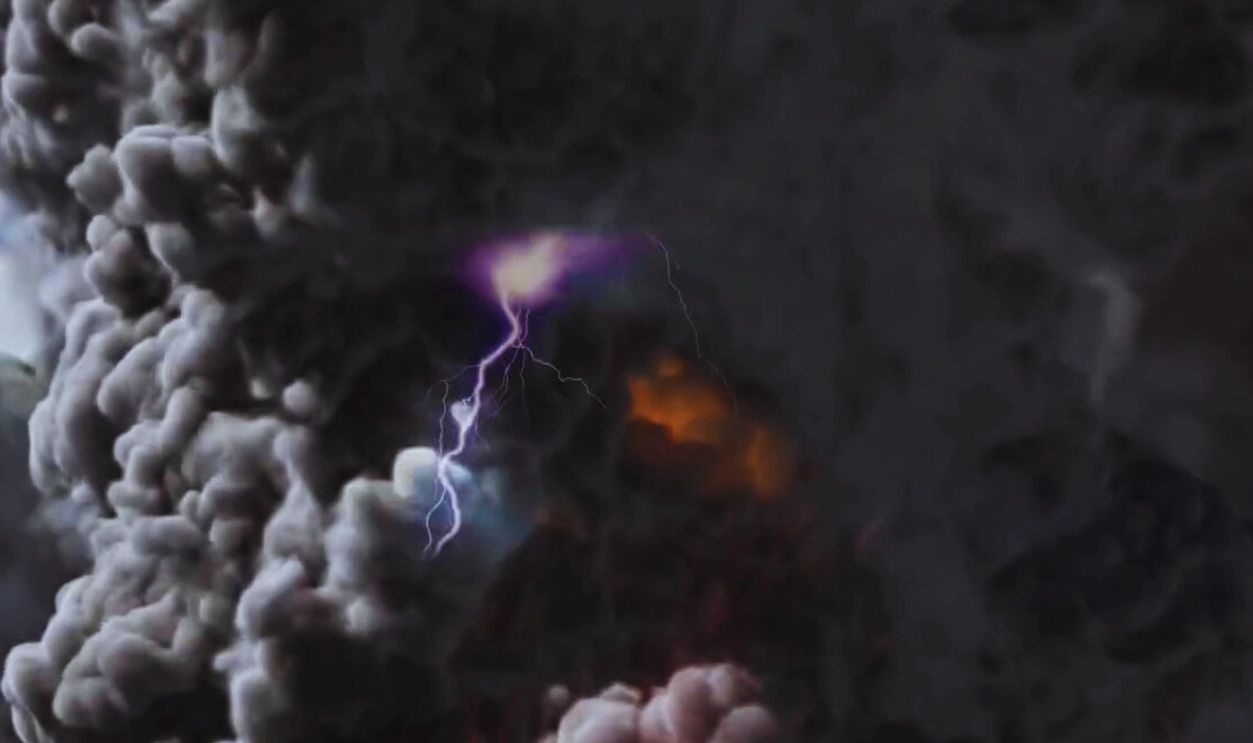 Yellowstone Super-Eruptions | Curiosity: Volcano Time Bomb by Discovery
The Planet Cooled And Life Struggled To Survive
As weeks turned into months, the planet shivered under Toba’s grip. Sunlight was choked off, and what ensured was the Earth experiencing a deep volcanic winter. Plants the gatherers depended on withered, and entire ecosystems collapsed. The survivors, human and otherwise, were left to live in a new world.
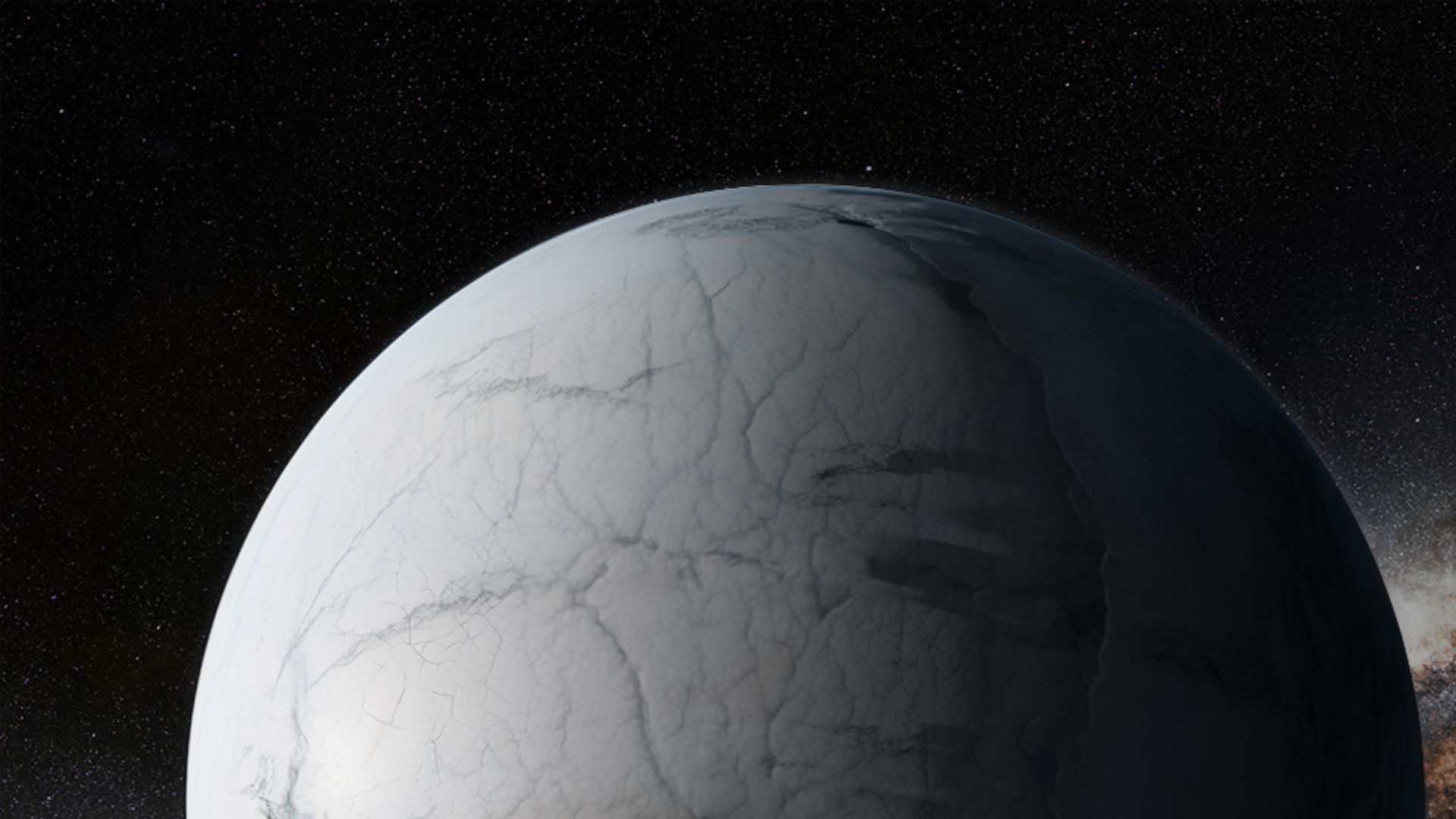 Pablo Carlos Budassi on Wikimedia
A Climate In Chaos Transformed The Earth
Of course, the world didn’t freeze overnight, but the change was slow and relentless. Temperatures plummeted, reshaping terrains as ice crept farther from the poles. Rivers shrank, forests withered, fertile plains turned barren, and animals had to find new homes. Nature itself had turned hostile, and survival wasn’t guaranteed.
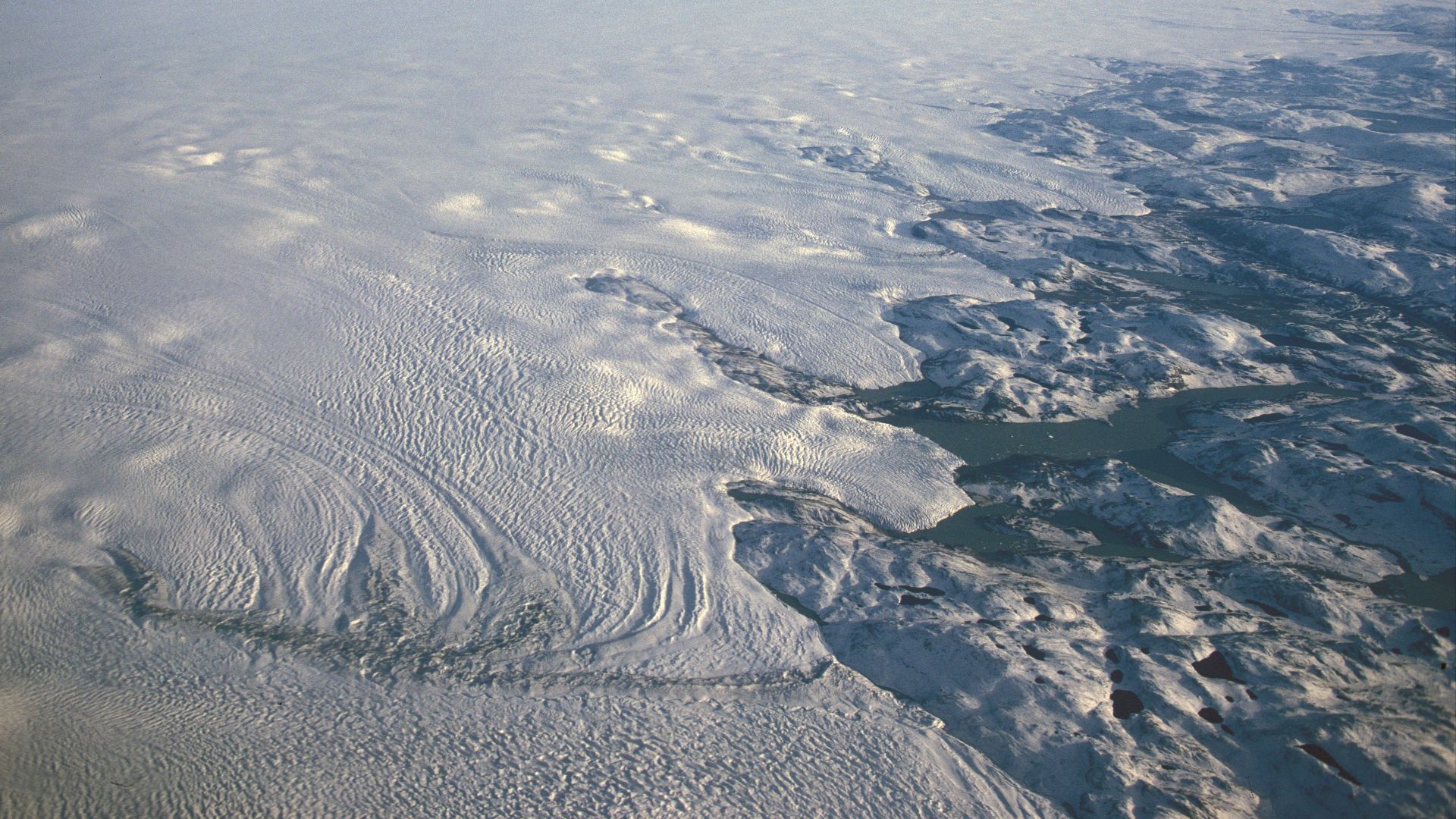 Hannes Grobe 20:10, 16 December 2007 (UTC) on Wikimedia
Starvation And Struggle Became A Way Of Life
With plants and prey disappearing, food became more valuable than fire. Hunters tracked skeletal herds across frozen wastelands while gatherers scavenged whatever remained. Starvation tested the limits of endurance, and it forced humans to rethink everything—what they ate, how they hunted, and who would live to see another sunrise.
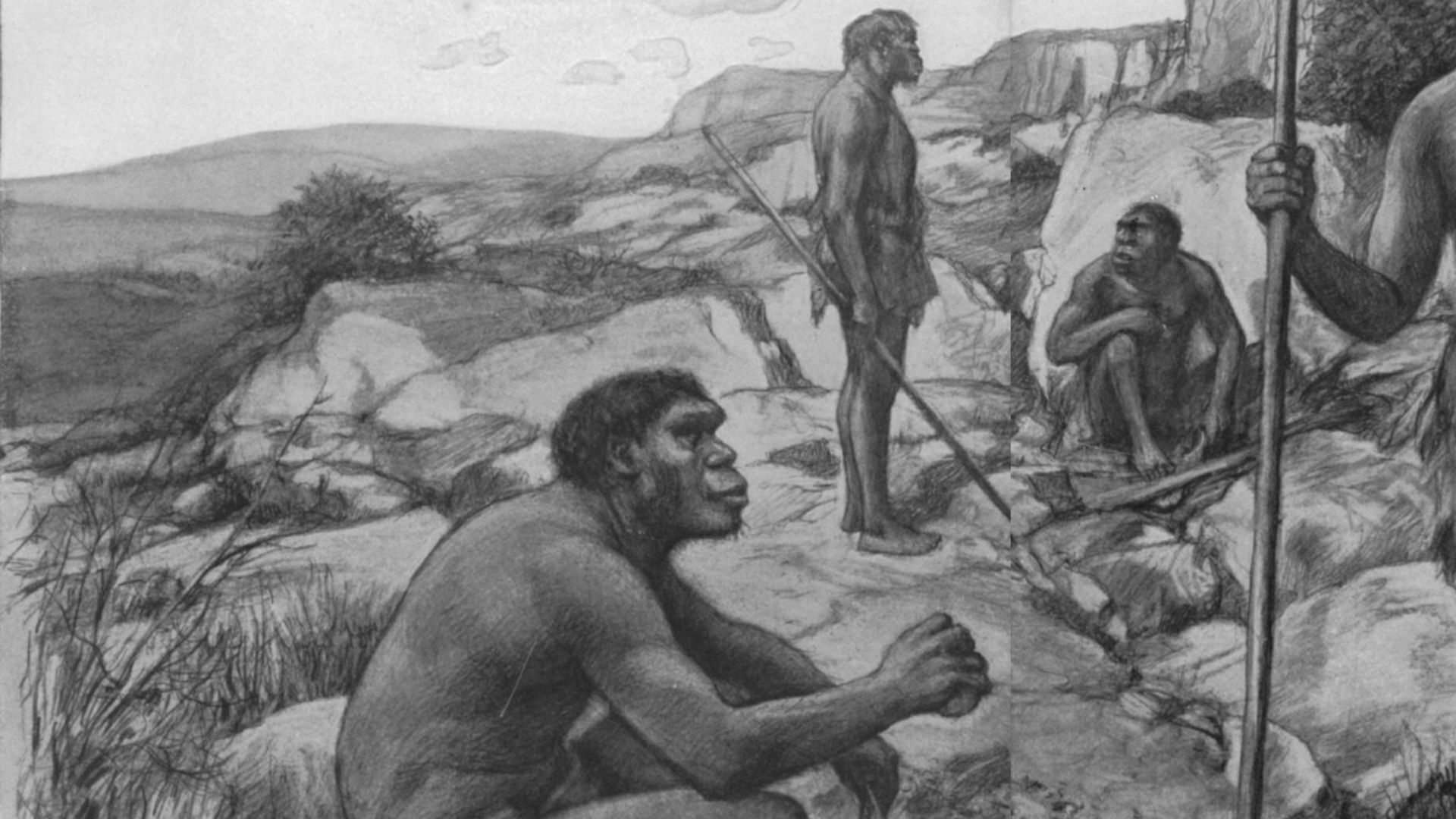 Amedee Forestier (1845 – 1930) on Wikimedia
Who Suffered The Most When The World Went Dark?
Not all regions endured the same fate. Northern populations might have borne the brunt of the disaster, trapped in a world that could no longer sustain them. Those near the equator fared better; their lands were spared the worst of the freeze. The one who got to live and perish was based on their geography.
What Was Lost When Civilization Stood Still?
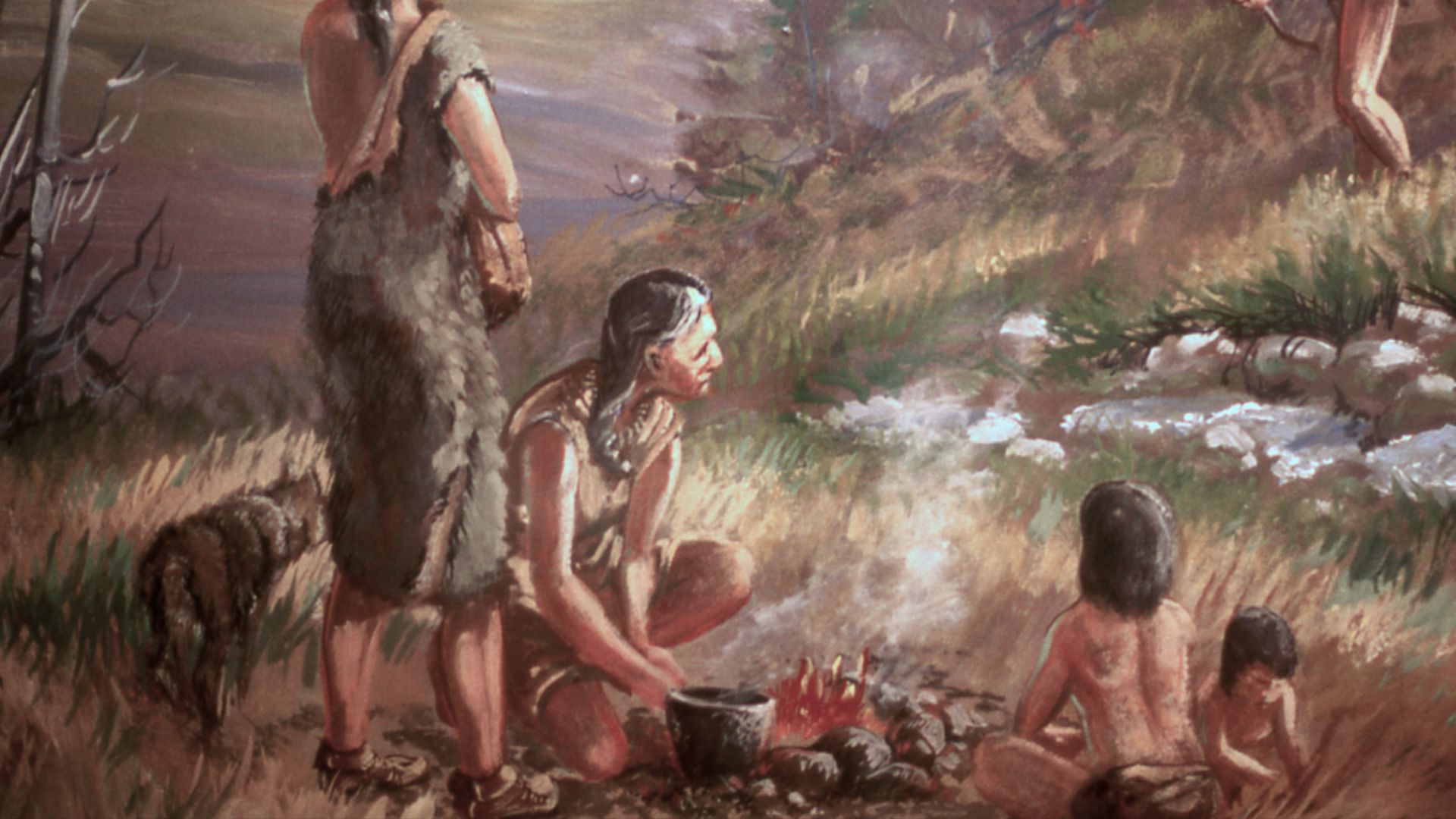
Some human groups may have vanished entirely, their histories buried beneath the ash. This was a significant disaster, one purported to wipe out entire civilizations. The evidence is lacking, leaving behind more questions than answers. Do you think there were languages, traditions, or knowledge lost that we might never know?
The Last Survivors Fought To Stay Alive
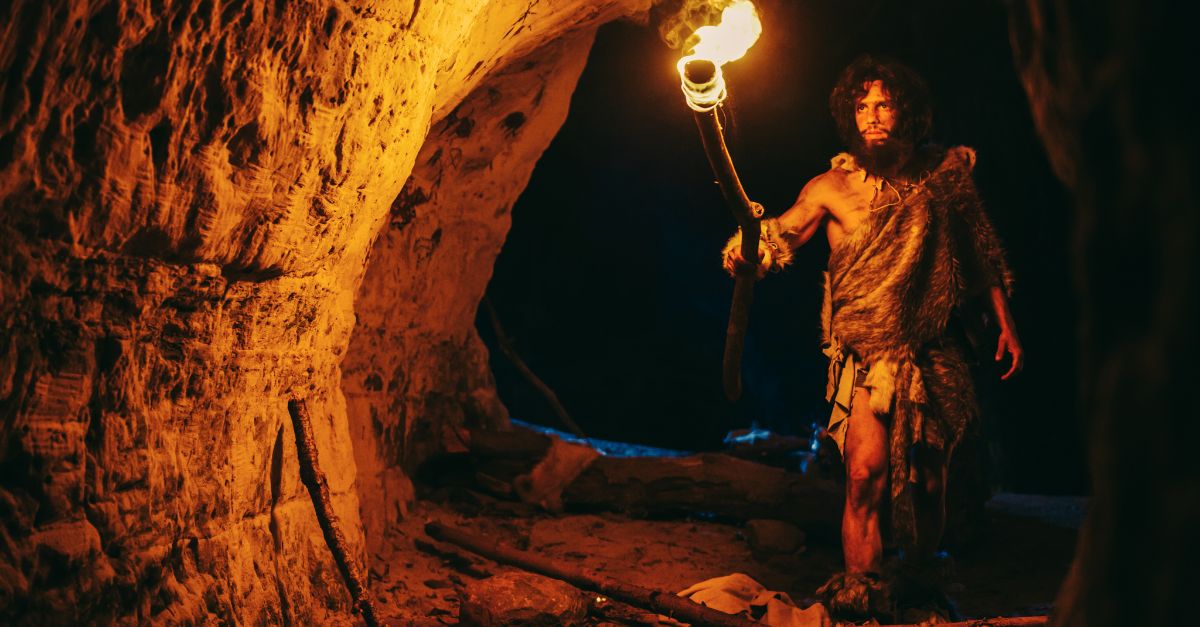
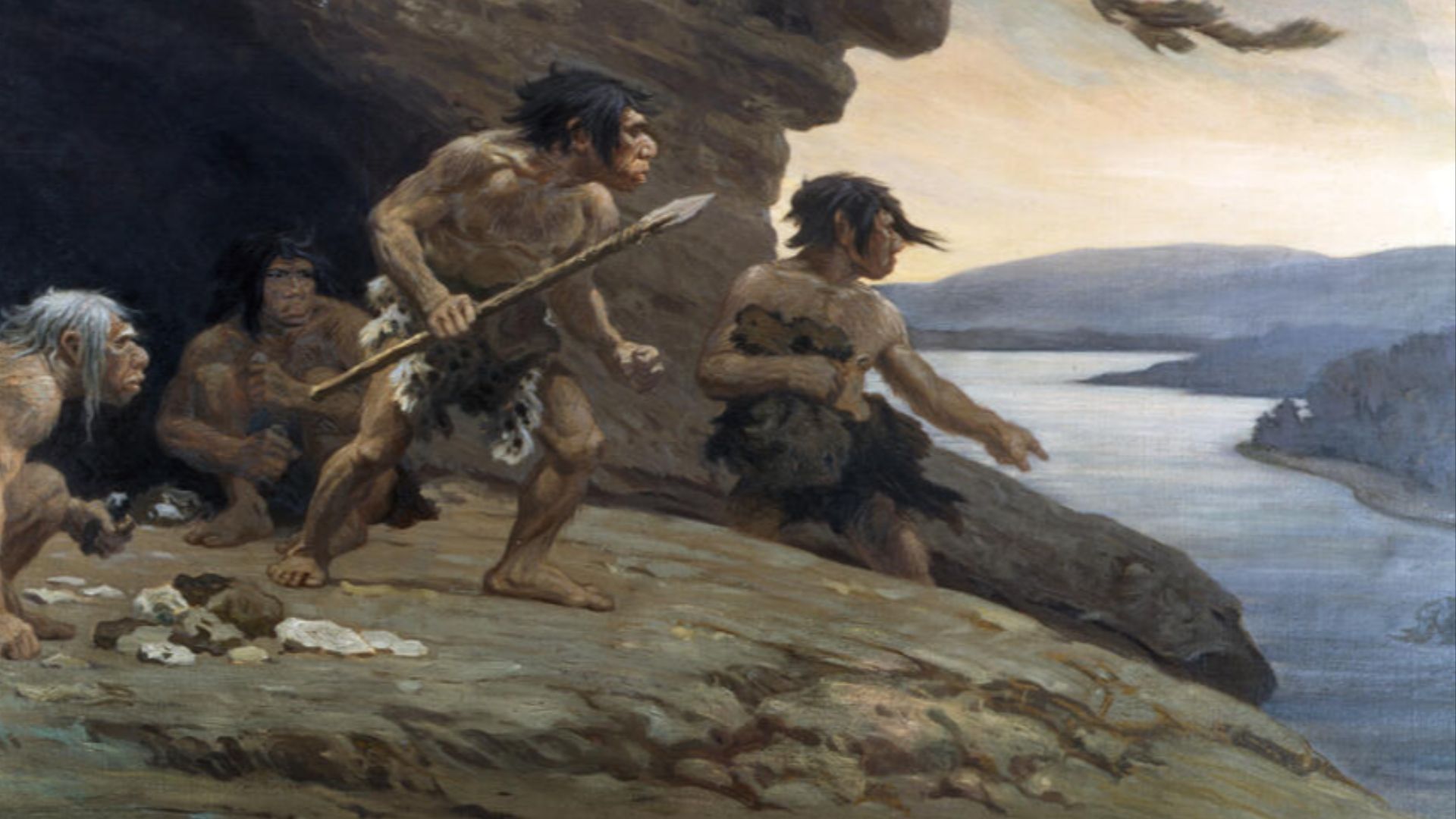
Some might have found refuge in caves by shielding themselves from the cold. Others possibly migrated and chased warmth wherever they could find it. The ocean’s edge became a lifeline, where ocean flora and fauna offered what the land no longer could. These were not just survivors—they were humankind’s future.
 Charles Robert Knight on Wikimedia
Seeking Refuge Was The Only Option
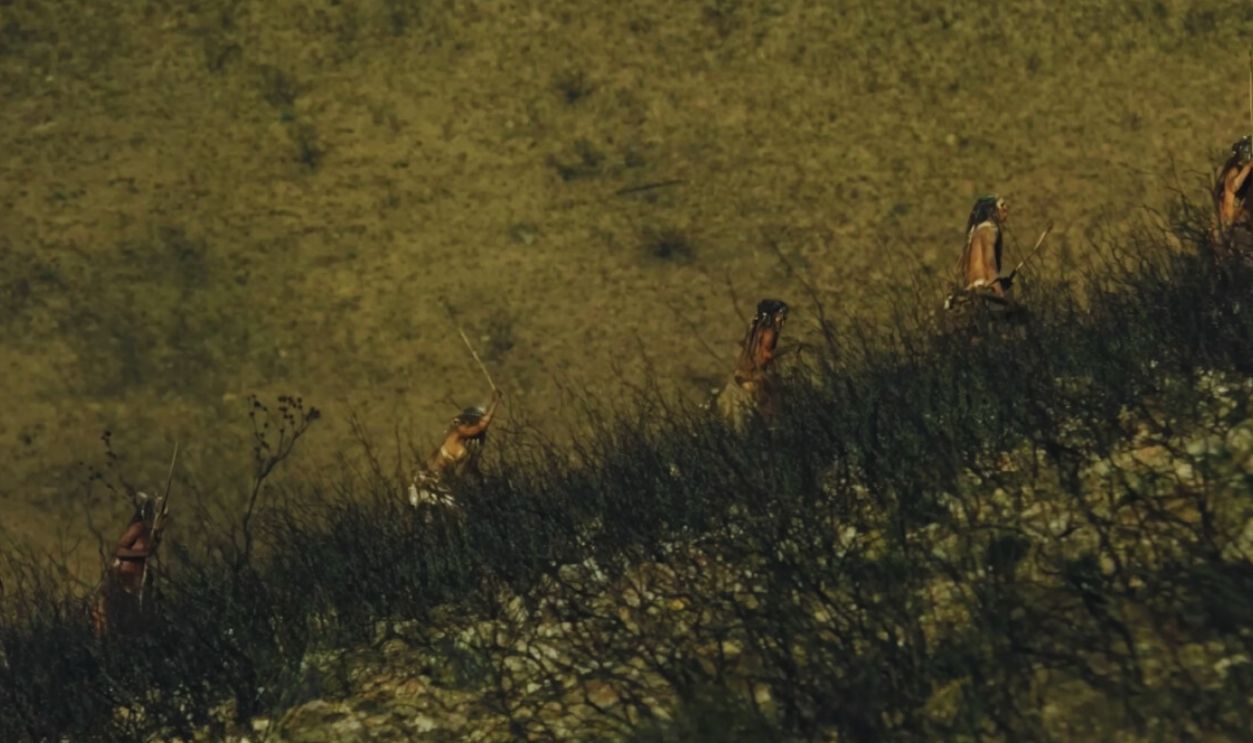
Survival meant moving or dying. Some groups abandoned the interior and sought warmth in caves or along the coasts, where temperatures were milder. Others could have ventured south, away from the cooling lands. Migration was instinctive, but for many, the journey itself became the greatest challenge.
 The great adventure of the origin of man by Best Documentary
The Ocean May Have Been Humanity’s Lifeline
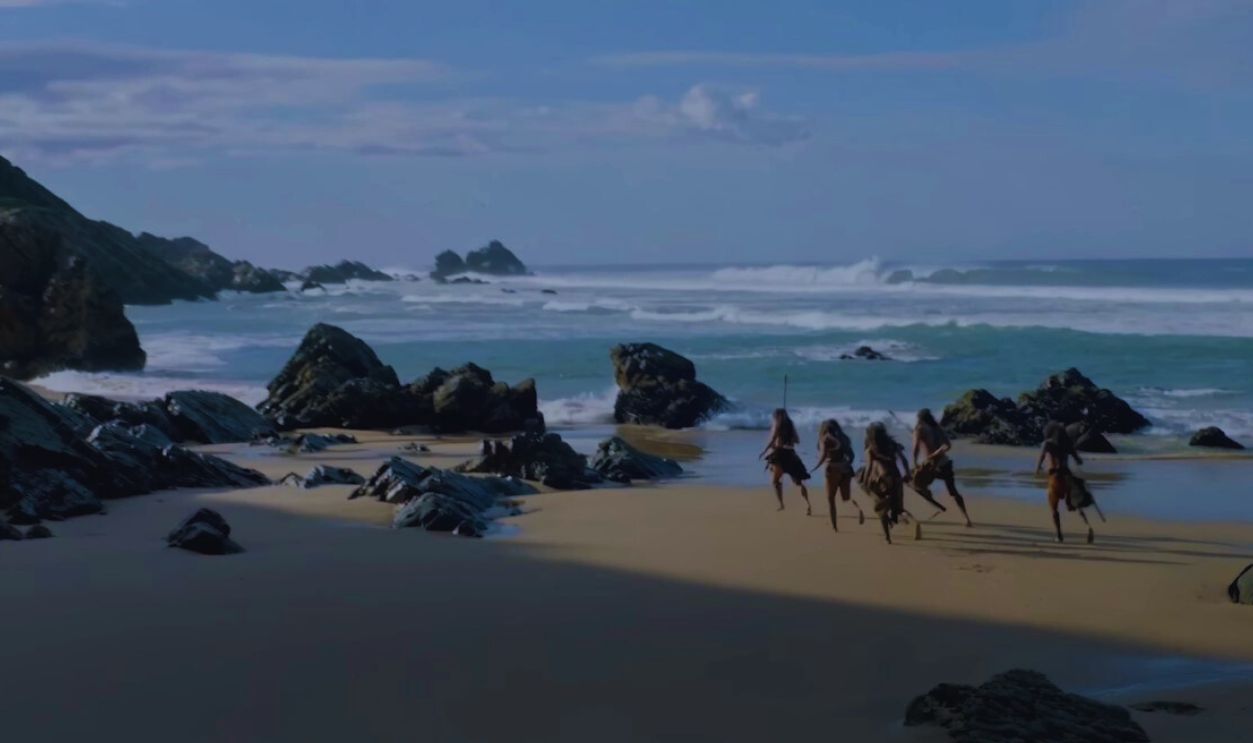
While the land grew barren, the sea remained abundant. Those who settled near coastlines had access to a stable food source—shellfish, seaweed, and fish. Unlike the unpredictable hunt on land, the ocean offered consistency. This advantage may have shaped human migration, drawing survivors toward life-sustaining waters.
 The great adventure of the origin of man by Best Documentary
Fire And Shelter Kept Hope Alive
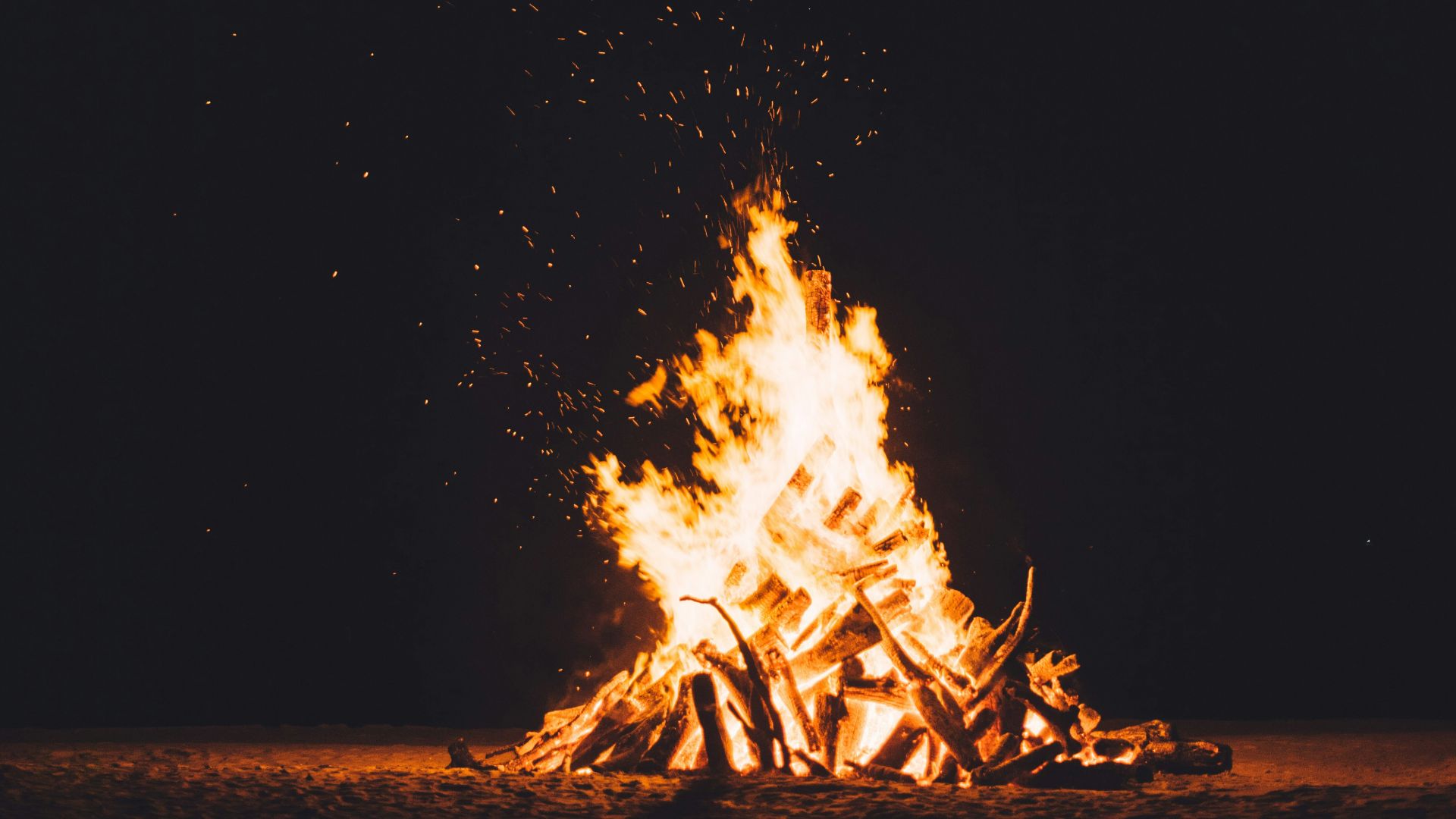
Survival during these dark times is hinged on finding protection. So, fire kept the cold at bay, while better tools improved hunting and defense. Some could have resorted to crafting makeshift shelters from whatever they would source. Others? Maybe the caves. In an unfamiliar world, adaptation was everything.
Cooperation May Have Been Our Greatest Advantage
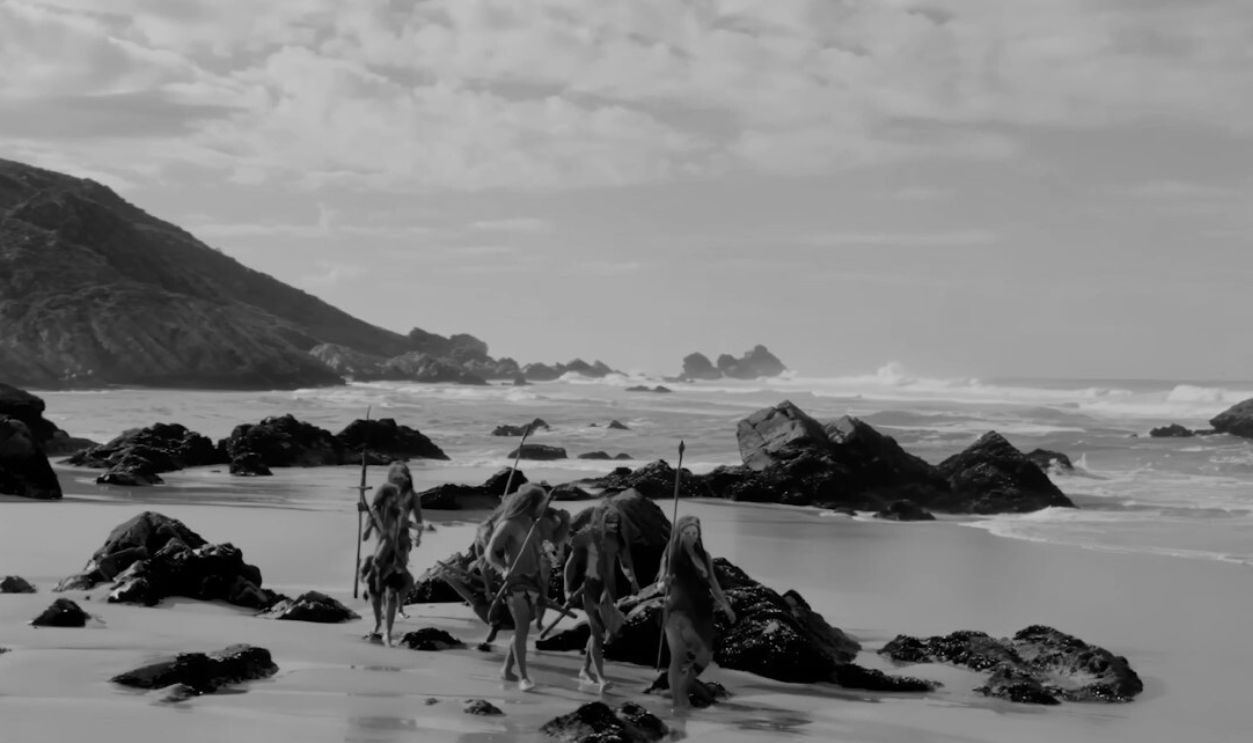
No one could endure this alone. So, small communities formed, and together, they pooled resources and knowledge. Those who worked together stood a better chance, whether through communal hunting, group fire-making, or passing down survival skills. In the end, it wasn’t just intelligence that saved us. It was each other.
 The great adventure of the origin of man by Best Documentary
The Planet Slowly Began To Heal
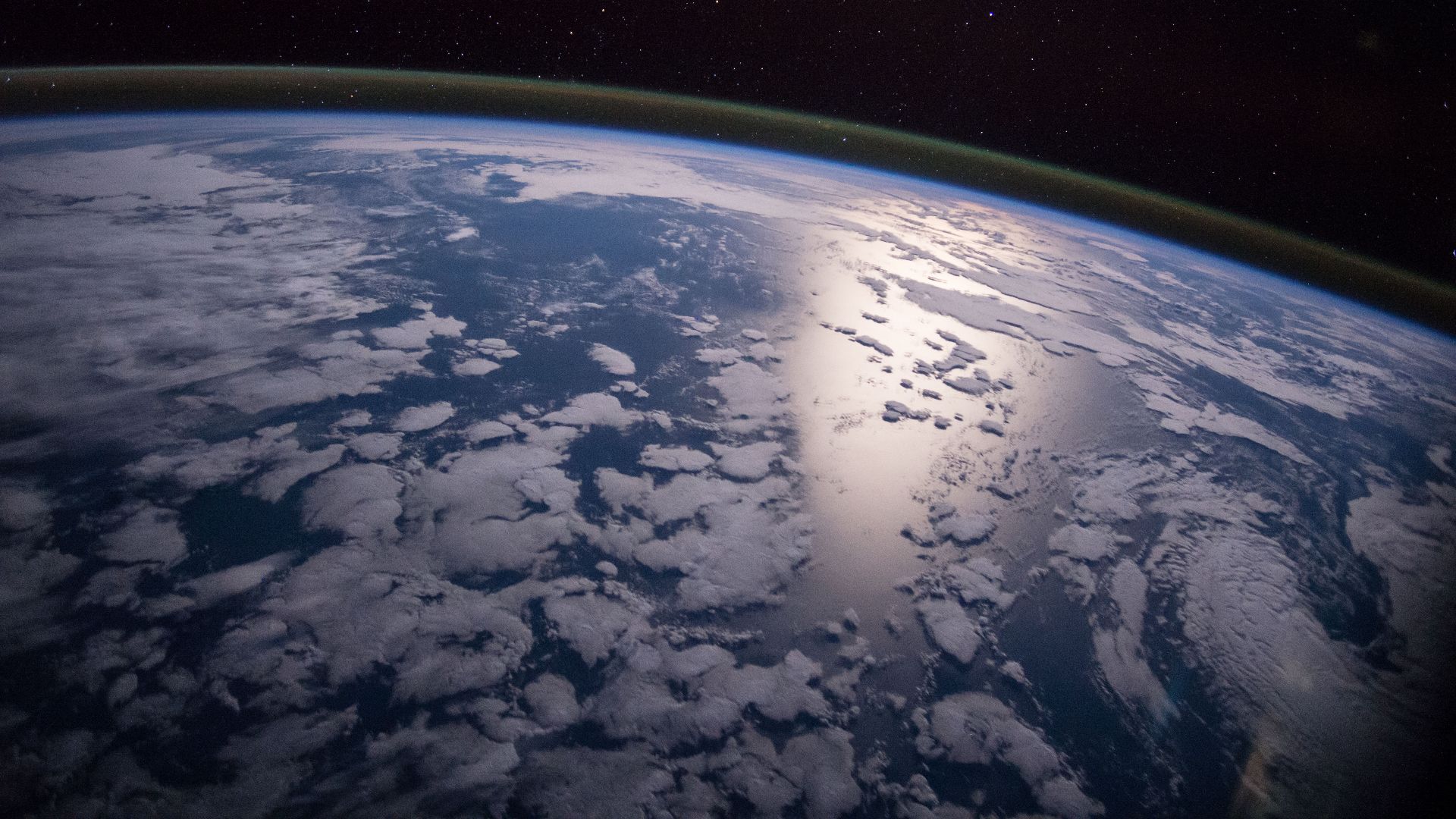
The worst had passed, but the scars remained. The skies gradually cleared, and temperatures began a slow rise. Vegetation returned to the land, and animal populations recovered. The Earth had endured a catastrophe unlike any before, but its ability to regenerate proved as powerful as its capacity for destruction.
Toba May Have Changed Humanity Forever
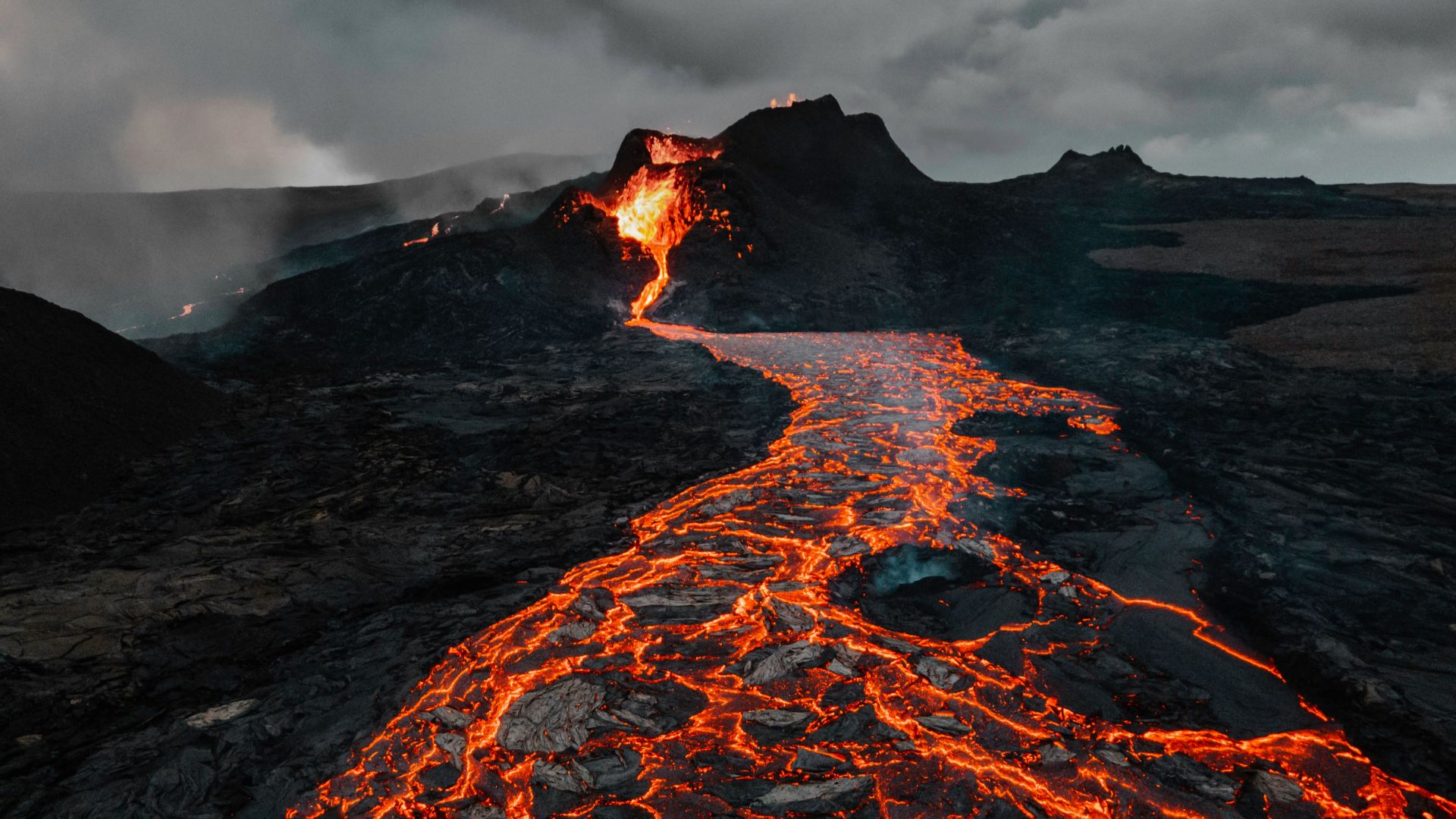
Some scientists believe the disaster reshaped human evolution. Those who survived were the most adaptable because they passed their resilience to future generations. The crisis forced innovation, which made humans more resourceful. If Toba had never erupted, the course of human history might have been completely different.
 Tetiana Grypachevska on Unsplash
Neanderthals And Other Hominins Faced An Uncertain Future
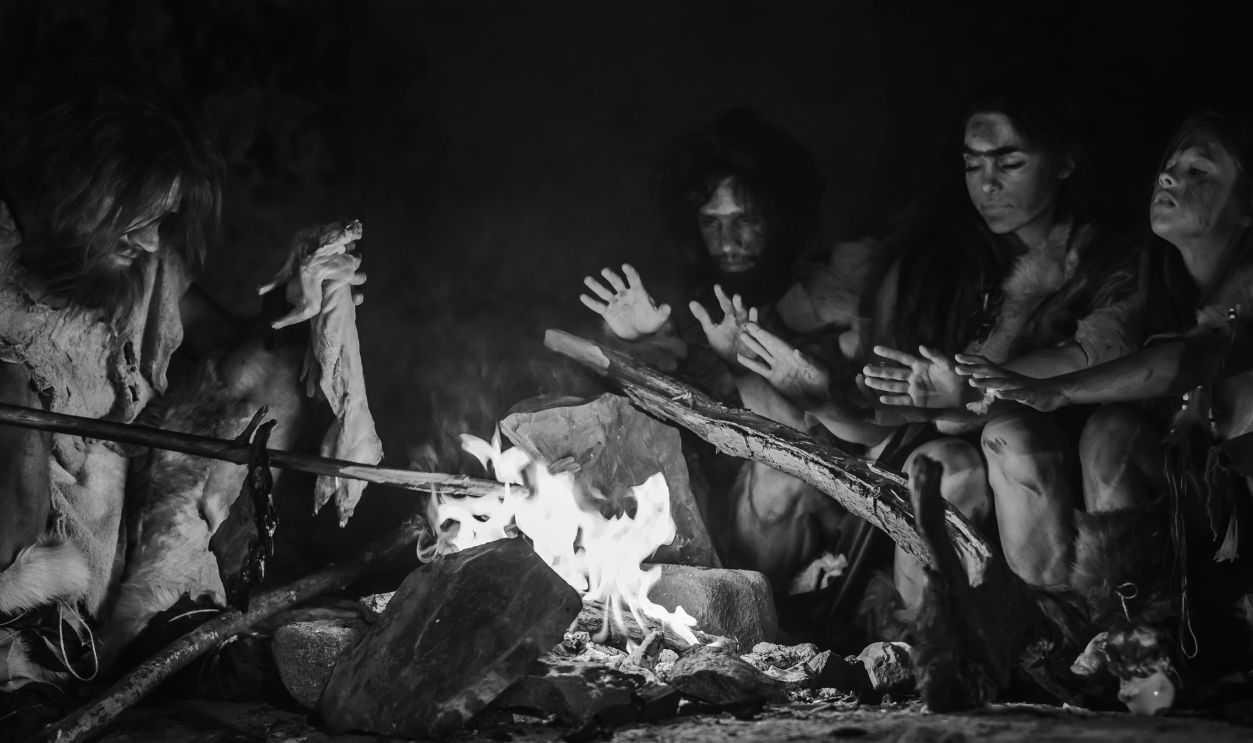
Homo sapiens were not the only ones affected by extreme conditions. Neanderthals and Denisovans did, too. While some groups may have disappeared, their eventual extinction occurred much later—around 40,000 years ago for Neanderthals. The role of events like the Toba eruption in their decline remains hypothetical, with no direct evidence.
The Threat Of Supervolcanoes Still Exists
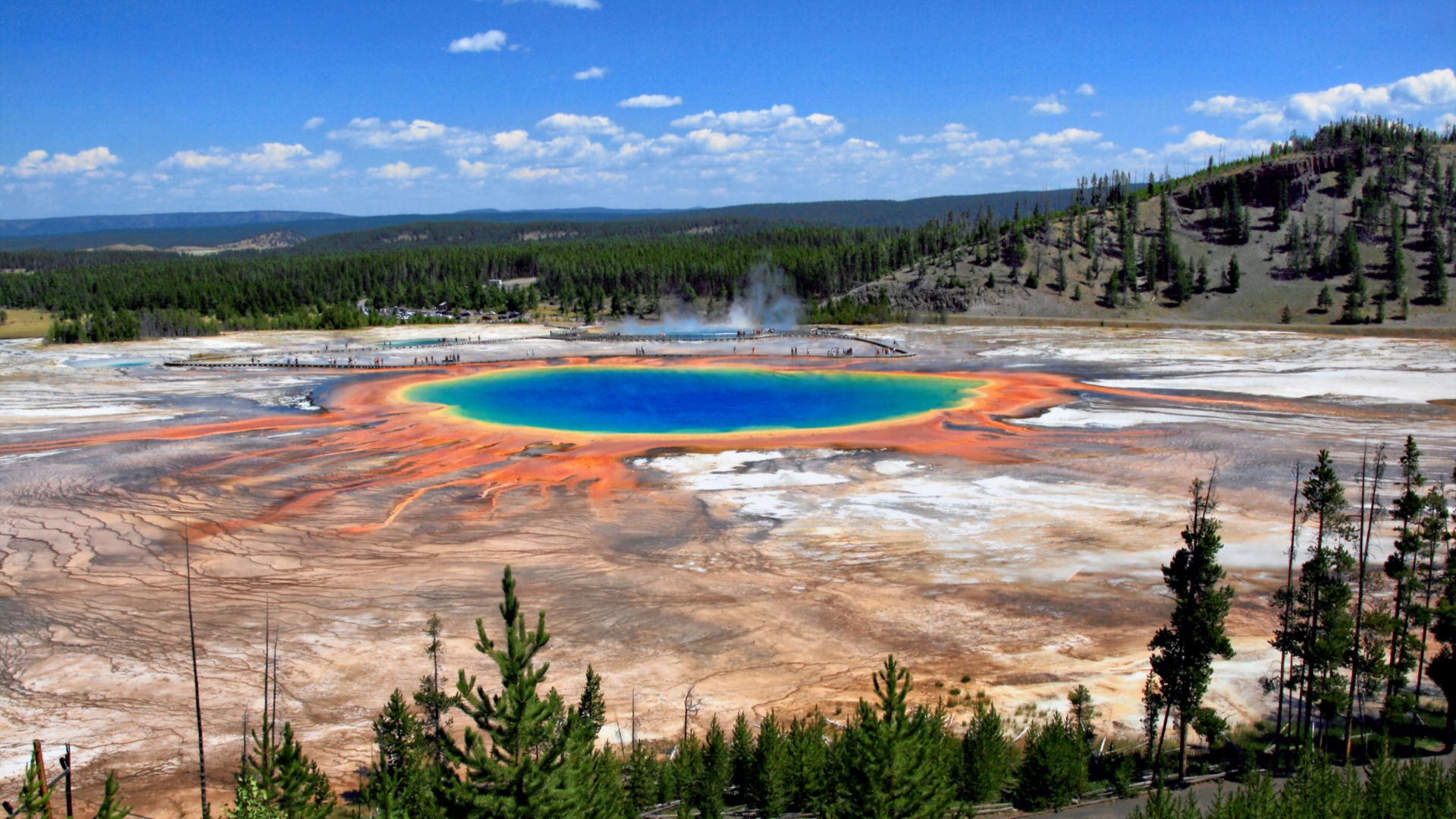
Toba was not the first supereruption, nor will it be the last. Today, scientists monitor volcanic hotspots like Yellowstone, knowing that another eruption of this scale would have devastating consequences. The lessons from Toba are historical, and they warn us of what could happen again.
The Great Bottleneck Nearly Wiped Us Out
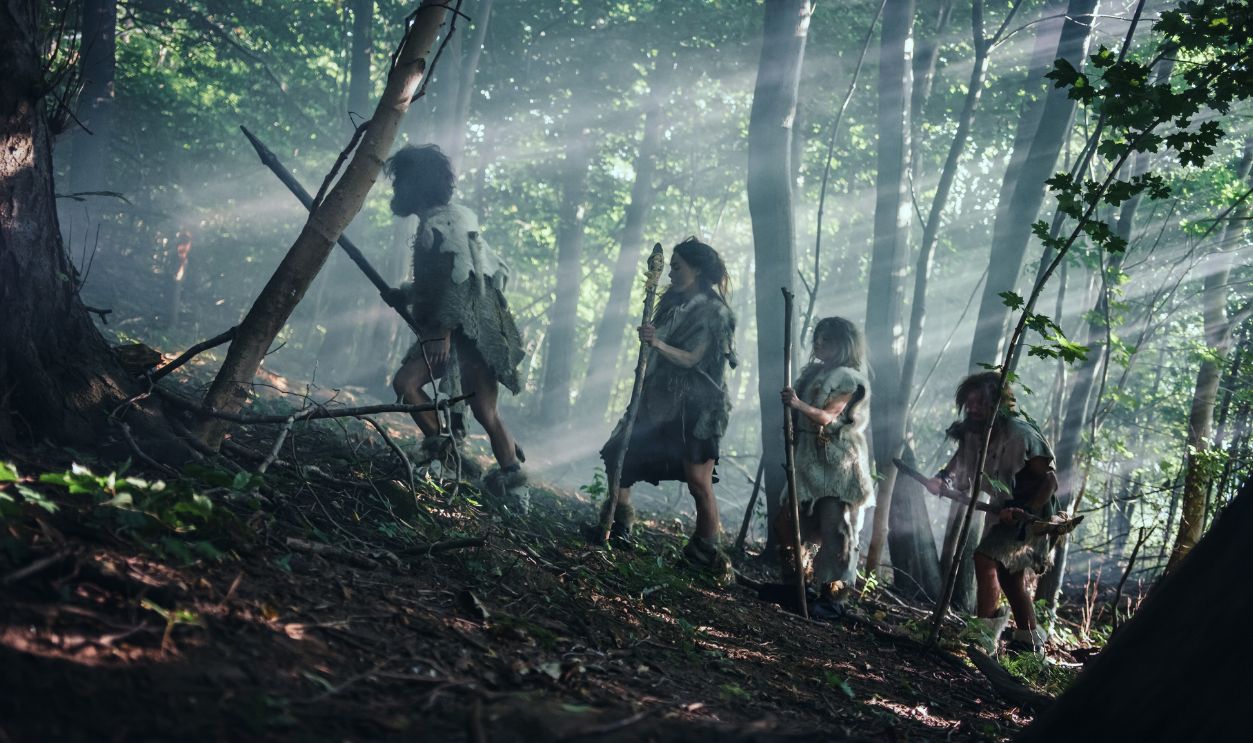
At our lowest point, humanity teetered on the edge of extinction. Some scientists hypothesize that as few as 3,000–10,000 individuals remained. Others argue the numbers were higher, but one thing still resonates: If the effect was more disastrous, who knows, maybe our species might have vanished.
The Legacy Of Toba Still Shapes Us Today
Toba’s eruption has rightly been considered one of the most devastating events. Humans, in their resilience, survived and carried with them the lessons of survival and adaptation. As we face modern environmental challenges, the past reminds us that survival depends not only on strength but on the ability to adapt.
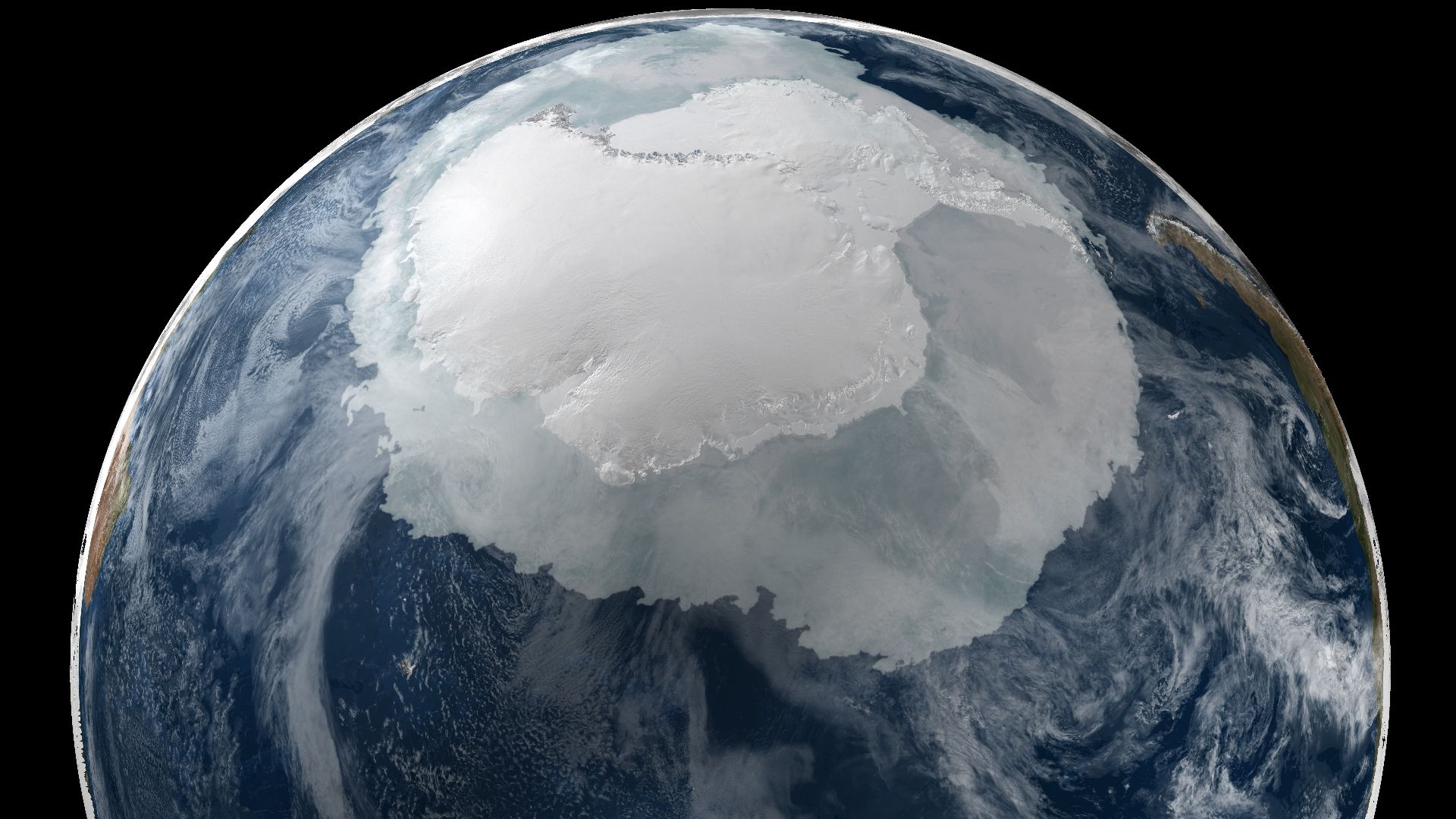 NASA on The Commons on Wikimedia